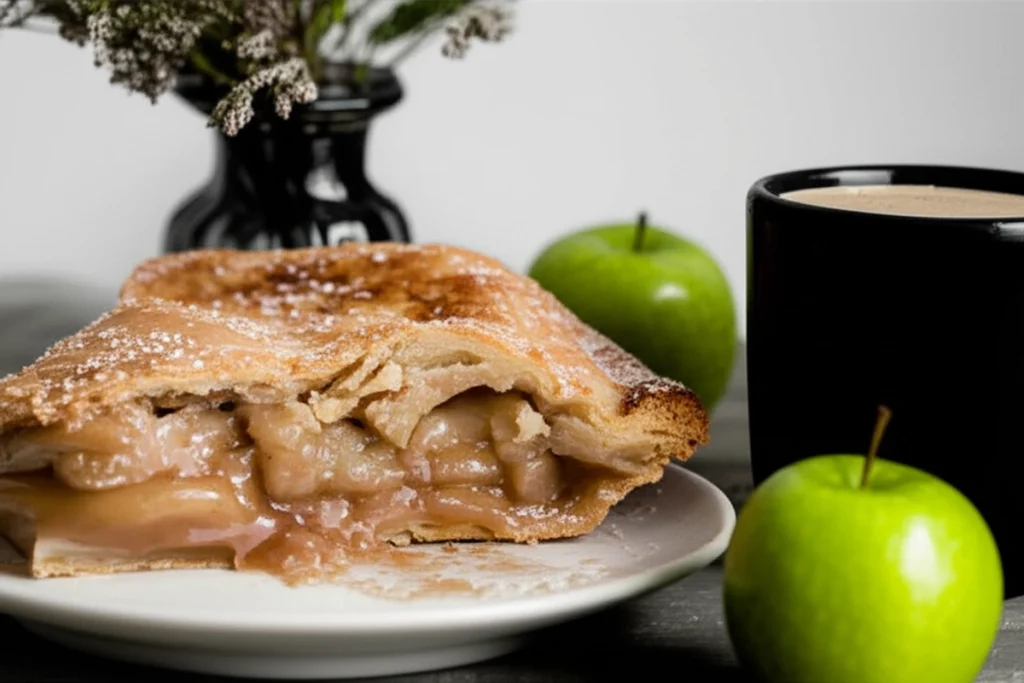
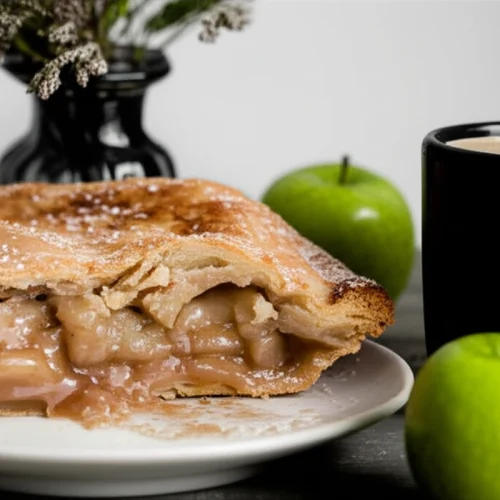
There’s nothing quite like the aroma of a warm apple pie cooling on the counter, a promise of sweet, spiced comfort in every slice. But too often, that promise is marred by a frustrating reality: filling bubbling over, creating a sticky mess in the oven and a pie that’s more soup than solid. I spent years battling this very issue, experimenting with countless techniques to achieve apple pie perfection. The secret? Mastering the crust seal.
This apple pie recipe is designed to eliminate those frustrations, offering a foolproof method for creating a delicious and visually stunning dessert. I’ll walk you through my tried-and-true process for a leak-proof seal, ensuring every slice is filled with perfectly cooked apples and not oven drippings.
From my kitchen to yours, get ready to bake the ultimate apple pie. This recipe requires 60 minutes of prep time, 60 minutes of cook time, and 120 minutes of total time.
Table of Content
The Perfect Seal: A Step-by-Step Guide to Leak-Proof Pie Crusts
After years of baking pies, I’ve explored every trick imaginable to prevent the dreaded filling leak. Getting a perfect crust seal comes down to a few key techniques, each playing a vital role in containing that delicious apple mixture. Here’s what I’ve discovered.
First, the crimping. Crimping isn’t just for looks; it’s the primary defense against escaping filling. I lift the edges where the two crusts meet, gently press to seal, and fold them under, creating a double layer of dough. Rotating the pie plate ensures this seal is consistent all the way around.
Next, the egg wash. Beyond adding a beautiful golden sheen, the egg wash acts as a glue, further sealing the top and bottom crusts. Its protein content helps to create a tighter bond during baking, minimizing gaps where filling might escape.
Pro tip: For an extra secure seal, brush the bottom crust edge with egg wash before placing the top crust.
Finally, the vents. Cutting slits in the top crust is not optional; it’s essential for releasing steam. Without these vents, the pressure from the expanding steam will find the weakest point, often causing the crust to rupture and the filling to bubble out. Aim for at least four evenly spaced slits. By following these steps, the result is an apple pie with a crust that’s as functional as it is beautiful, keeping all that delicious filling where it belongs.
Sweetness Science: Why a Blend of Sugars Makes All the Difference
The sweetness in this apple pie recipe is carefully calibrated, a blend of granulated and light brown sugar, each playing a distinct role. I didn’t arrive at this combination by accident; I experimented with different ratios, single sugars, and even alternative sweeteners before landing on this specific blend. Granulated sugar provides a clean, direct sweetness, highlighting the natural tartness of the apples.
The light brown sugar brings complexity. Its molasses content adds depth, introducing warm caramel notes that complement the cinnamon and nutmeg. This combination creates a layered sweetness that enhances the overall flavor profile of the pie.
Achieving the right moisture level is also crucial. The sugars draw moisture out of the apples; too much moisture, and the bottom crust becomes soggy. That’s why I discard the excess juices after mixing the apples and sugars. It’s a step that ensures a crisp, flaky bottom crust.
Ingredients
- 2 (9″) pie crusts
- 7 large Granny Smith apples (peeled, cored and sliced into 1/2 inch slices)
- 1/2 cup granulated sugar
- 1/2 cup light brown sugar (loosely packed)
- 2 tablespoons all-purpose flour
- 1 teaspoon ground cinnamon
- 1/8 teaspoon ground nutmeg
- 1 tablespoon lemon juice (plus the zest of half of a lemon)
- 1 large egg (lightly beaten in a small bowl for egg wash)
- 2 tablespoons sanding sugar (optional)
I tested this recipe with both store-bought and homemade crusts. While store-bought crusts can work in a pinch, I found the homemade crust, chilled for at least an hour, provided superior flakiness and flavor. That’s why I recommend my flaky pie crust recipe first. For this apple pie recipe, starting with great ingredients makes all the difference.
Instructions
- Start by preparing this flaky pie crust recipe which makes 2 (9″) pie crusts, one for the bottom and one for the top of the pie. The pie dough will need to chill for at least 1 hour before rolling out. Or use a store-bought pie crust and follow package directions.
- Place oven rack in the center position and Preheat the oven to 400°F (204°C).
- In a large bowl, combine the sliced apples, granulated sugar, light brown sugar, flour, cinnamon, nutmeg, and lemon juice and lemon zest; toss to coat evenly.
- Remove the pie crust dough from the fridge and let rest at room temperature for 5-10 minutes. On a lightly floured surface, roll one disc into a 12″ circle that is 1/8″ thick. Carefully lay the crust into the bottom of a deep dish pie plate.
- Spoon the apple filling over the bottom crust and discard juices at the bottom of the bowl. Discarding the excess apple juice after mixing is key to preventing a soggy bottom crust. This is because the sugar draws moisture out of the apples through osmosis. By removing this excess liquid, we ensure a crisp, flaky crust.
- Roll out the second disc of pie crust until it is 1/8″ thick and lay it over the apple filling.
- Use a sharp knife to trim the dough along the outside edge of the pie plate. Lift the edges where the two pie crust meet, gently press to seal and fold them under. Rotate the pie plate and repeat this process until edges are neatly tucked under themselves. Cut 4 slits in the top of the dough to allow steam to vent. Place the pie on a baking sheet.
- Brush the surface of the pie crust with the egg wash and sprinkle with sanding sugar. Cover the edges with a pie shield or a strip of foil to keep them from over browning during the first 25 minutes.
- Bake at 400°F (204°C) for 25 minutes. Carefully remove the pie shield, turn the oven down to 375° and continue to bake for an additional 30-35 minutes or until the top is golden brown and the juices are bubbly. Cool at room temperature for at least 3 hours.
Troubleshooting Your Apple Pie: Runny Filling? Cracked Crust? I’ve Got You Covered
Even with the best apple pie recipe and careful execution, baking can sometimes throw you a curveball. I’ve seen every pie problem imaginable, from fillings that run to crusts that crack. Here are some common issues I’ve encountered, along with the solutions I’ve found most effective:
| Problem | Solution |
|---|---|
| Runny Filling | Ensure you discard excess juices from the apple mixture before filling the pie. Also, consider adding a bit more flour or cornstarch to the filling. |
| Soggy Bottom Crust | Blind bake the bottom crust for 15 minutes before adding the filling. Make sure the oven is at the correct temperature. |
| Cracked Crust | Avoid over-handling the dough. Make sure the dough is properly chilled before rolling it out. Cut vents in the top crust to allow steam to escape. |
| Burnt Crust Edges | Use a pie shield or wrap the edges of the crust with foil during the first 25 minutes of baking. |
| Unevenly Cooked Apples | Slice the apples uniformly to ensure they cook evenly. |
| Pale Crust | Brush with egg wash or milk before baking to promote browning. |
Pro tip: If you’re struggling with a soggy bottom crust, place a baking stone in the oven while it preheats. This helps to distribute heat evenly and ensures a crispier bottom. My biggest lesson? Don’t be discouraged by baking mishaps; they’re opportunities to learn and refine your skills, and these solutions will have you baking perfect apple pies in no time.
Frequently Asked Questions
What are the key techniques for a successful apple pie?
From my experience, a truly successful apple pie hinges on mastering a few essential techniques. The first, as I emphasized earlier, is achieving a perfect crust seal to prevent filling from bubbling over. Also, it’s important to balance the sweetness and moisture content by using a blend of sugars and discarding excess apple juices. Finally, the flakiness of the crust is critical, which I achieve by using my flaky pie crust recipe and chilling the dough thoroughly. These steps have never failed me.
What ingredients are essential in apple pie?
While variations abound, I consider a few ingredients absolutely essential for an outstanding apple pie. First, the apples themselves; I prefer Granny Smith for their tartness and ability to hold their shape during baking. A blend of granulated and light brown sugar is next, providing both sweetness and depth of flavor. Finally, cinnamon and nutmeg provide that warm, comforting spice profile that defines an apple pie. Don’t skimp on the lemon juice and zest; they brighten the flavors and balance the sweetness.
Is it necessary to pre-cook the apples?
I’ve experimented with pre-cooking apples, and I’ve found it unnecessary for this apple pie recipe. Pre-cooking can lead to a mushy filling, especially if the apples are already soft. Instead, I slice the apples evenly and toss them with sugar, spices, and lemon juice. This allows them to release some of their moisture before baking, preventing a soggy pie.
Which type of crust is most suitable for apple pie?
In my testing, I’ve found that a flaky, all-butter crust is most suitable for apple pie. The butter creates distinct layers in the dough, resulting in a tender, flaky texture that complements the soft apple filling. A homemade crust, chilled thoroughly before rolling, provides the best results. Though store-bought crusts are convenient, they often lack the flavor and flakiness of a homemade version, so I always lean towards homemade for optimal texture and taste in this apple pie recipe.
Essential Apple Pie Recipe Details
This apple pie recipe yields one 9-inch pie, perfect for 8 servings. I find this size is ideal for a family dessert or a small gathering.
To store, I allow leftover apple pie to cool completely, then keep it at room temperature for up to 2 days. Refrigeration extends this to 5 days. For longer storage, I’ve had great success freezing the baked pie, well-wrapped, for up to 3 months; just thaw it overnight in the refrigerator before serving.
Pro tip: For a spiced variation of this apple pie recipe, adding 1/4 tsp of ground cloves to the filling provides an extra layer of warmth and complexity, especially welcome during the cooler months. I’ve also experimented with cardamom and ginger, but the cloves deliver the most classic “spiced” flavor profile.
Conclusion
In summary, the secret to apple pie perfection lies in mastering the crust seal. This seemingly small detail is the key to preventing filling from bubbling over and ensuring a perfectly baked pie every time. By following my step-by-step guide, complete with crimping, egg wash, and vents, I’m confident that you will make this delicious apple pie recipe without issue.
This apple pie recipe is designed to be foolproof, delivering a balance of sweet and tart flavors, a flaky crust, and a beautiful presentation. If you’ve been searching for a reliable, delicious apple pie recipe, I believe you’ve found it.
Now, I’d love to hear about your apple pie baking experiences! Leave a comment below sharing your tips, tricks, and any variations you’ve tried. And if you enjoyed this recipe, please share it with your friends and family. Happy baking!
Easy Apple Pie
Ingredients
Apple Pie Ingredients
- 2 (9″) pie crusts
- 7 large Granny Smith apples peeled, cored and sliced into 1/2 inch slices
- 1/2 cup granulated sugar
- 1/2 cup light brown sugar loosely packed
- 2 tablespoons all-purpose flour
- 1 teaspoon ground cinnamon
- 1/8 teaspoon ground nutmeg
- 1 tablespoon lemon juice plus the zest of half of a lemon
- 1 large egg lightly beaten in a small bowl for egg wash
- 2 tablespoons sanding sugar optional
Instructions
Instructions
- Start by preparing this flaky pie crust recipe which makes 2 (9″) pie crusts, one for the bottom and one for the top of the pie. The pie dough will need to chill for at least 1 hour before rolling out. Or use a store-bought pie crust and follow package directions.
- Place oven rack in the center position and Preheat the oven to 400°F (204°C).
- In a large bowl, combine the sliced apples, granulated sugar, light brown sugar, flour, cinnamon, nutmeg, and lemon juice and lemon zest; toss to coat evenly.
- Remove the pie crust dough from the fridge and let rest at room temperature for 5-10 minutes. On a lightly floured surface, roll one disc into a 12″ circle that is 1/8″ thick. Carefully lay the crust into the bottom of a deep dish pie plate.
- Spoon the apple filling over the bottom crust and discard juices at the bottom of the bowl. Discarding the excess apple juice after mixing is key to preventing a soggy bottom crust. This is because the sugar draws moisture out of the apples through osmosis. By removing this excess liquid, we ensure a crisp, flaky crust.
- Roll out the second disc of pie crust until it is 1/8″ thick and lay it over the apple filling.
- Use a sharp knife to trim the dough along the outside edge of the pie plate. Lift the edges where the two pie crust meet, gently press to seal and fold them under. Rotate the pie plate and repeat this process until edges are neatly tucked under themselves. Cut 4 slits in the top of the dough to allow steam to vent. Place the pie on a baking sheet.
- Brush the surface of the pie crust with the egg wash and sprinkle with sanding sugar. Cover the edges with a pie shield or a strip of foil to keep them from over browning during the first 25 minutes.
- Bake at 400°F (204°C) for 25 minutes. Carefully remove the pie shield, turn the oven down to 375° and continue to bake for an additional 30-35 minutes or until the top is golden brown and the juices are bubbly. Cool at room temperature for at least 3 hours.