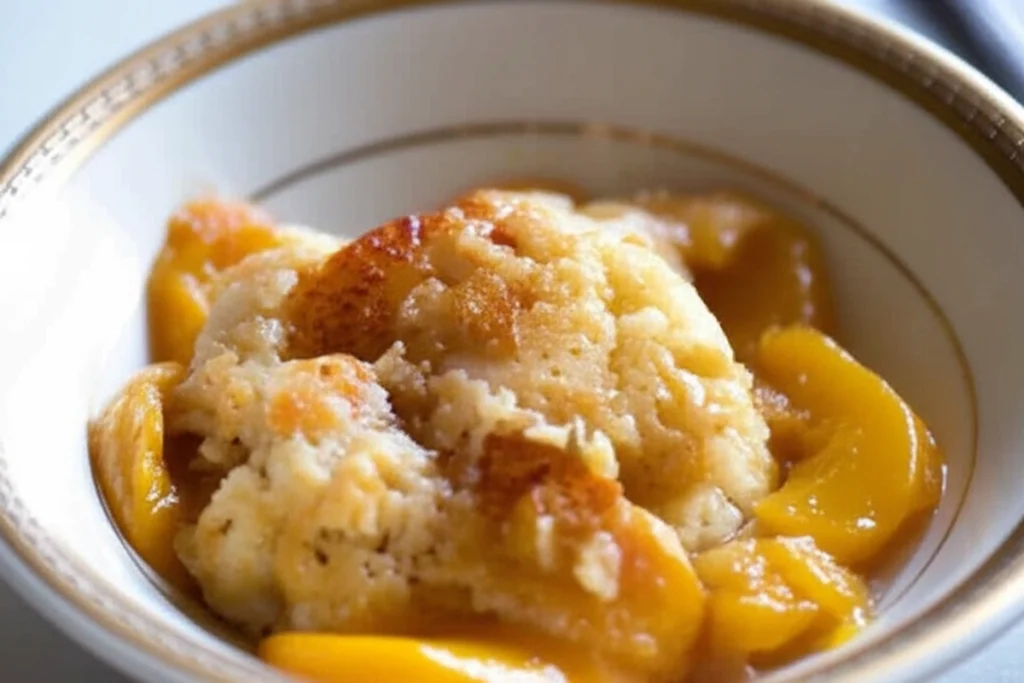
My early attempts at making peach cobbler were, to put it kindly, a disaster. I struggled with tough, dry textures and a distinct lack of that classic, comforting flavor. What was I doing wrong? I started to deconstruct every element of the recipe. The real turning point came when I discovered the science behind vegetable shortening and the impact of properly cooking the peaches to release their natural sweetness. That’s when I finally cracked the code to a truly perfect peach cobbler.
The key to a tender texture lies in understanding ingredients and technique. It’s about coaxing the very best out of the peaches themselves. This recipe, honed through meticulous testing, delivers precisely that. With a prep time of just 15 minutes, a cook time of 40 minutes, and a total time of 55 minutes, you’re only an hour away from enjoying this simple, satisfying dessert.
Table of Content
Vegetable Shortening vs. Butter: The Secret to Tender Cobbler Texture
Following my engineering approach, I began testing different fats, and vegetable shortening proved to be the key to that melt-in-your-mouth texture. Vegetable shortening, unlike butter, is composed of 100% fat and has a significantly lower water content. I found this difference is critical in controlling gluten development.
Lower water content translates directly to less gluten formation. Gluten, while desirable in bread, can make a cobbler tough. Using a fat like vegetable shortening minimizes gluten development, resulting in a far more tender crumb.
The chemical composition of vegetable shortening contributes to its tenderizing effect. Its molecules interfere with gluten formation, preventing long, elastic strands from developing. This leads to the delicate, almost cake-like texture I wanted.
Pro tip: If you’re tempted to substitute butter, consider reducing the amount of liquid in the recipe slightly to compensate for the added water. This small adjustment can help maintain the cobbler’s desired tenderness. After dozens of tests, I’m confident vegetable shortening creates the ideal crumb for peach cobbler.
Ingredients
Here’s what you’ll need to create this delicious peach cobbler. I’ve listed everything in the order you’ll need it.
- 5 peaches
- 3/4 cup granulated sugar ((150 g))
- 1/4 teaspoon salt
- 6 Tablespoons vegetable shortening ((85 g))
- 1 cup all-purpose flour ((120 g))
- 1 cup granulated sugar ((200 g))
- 2 teaspoons baking powder
- 1/4 teaspoon salt
- 3/4 cup milk ((180 ml))
- ground cinnamon
I tested the cooking time of the peaches with both ripe and slightly underripe peaches. With slightly underripe peaches, it took an extra 2 minutes to get the juices flowing and the sugar fully dissolved. Getting this step right is crucial for the final flavor of the peach cobbler.
Instructions
Now that you have your ingredients prepped, let’s put it all together. The instructions here are very important; follow them closely.
- Add the sliced peaches, sugar and salt to a saucepan and stir to combine. (If using canned peaches, skip steps 1 & 2 and follow the directions starting at step 3)
- Cook on medium heat for just a few minutes, until the sugar is dissolved and helps to bring out juices from the peaches. Remove from heat and set aside.
- Preheat oven to 350 degrees F. Slice vegetable shortening into pieces and add to a 9×13 inch baking dish. Place the pan in the oven while it preheats, to allow the vegetable shortening to melt. Melting the vegetable shortening in the pan ensures it’s evenly distributed, creating a perfectly crisp base for the cobbler.
- In a large bowl mix together the flour, sugar, baking powder, and salt. Stir in the milk, just until combined. Pour the mixture into the pan, over the melted vegetable shortening and smooth it into an even layer.
- Spoon the peaches and juice (or canned peaches, if using) over the batter. Sprinkle cinnamon generously over the top.
- Bake at 350 degrees for about 38-40 minutes. Serve warm, with a scoop of ice cream, if desired. Ensuring each step is followed precisely results in the best peach cobbler.
The Peach Cooking Process: Visual Cues for Cobbler Perfection
After the batter is prepared, the next key to a great peach cobbler is cooking the peaches correctly. I’ve found that understanding the visual cues indicating perfectly cooked peaches is essential for achieving the best flavor and texture in the finished cobbler. It’s not enough to just follow a timer; you need to observe what’s happening in the pan.
The peaches should be visibly softened, but not mushy. I look for a texture where the slices still hold their shape, but yield easily when gently pressed with a spoon. If they’re falling apart, they’re overcooked and will lack that pleasant bite.
The juices should be abundant and slightly thickened, forming a light syrup. They should have a rich, glossy appearance. The thickened juice is key because it coats the cobbler beautifully and adds a concentrated peach flavor.
If your peaches aren’t quite ripe to begin with, don’t worry. I’ve tested this recipe with varying levels of ripeness. Simply extend the cooking time in the saucepan by a few minutes, stirring occasionally, until the peaches soften and release their juices. This extra time allows the fruit to break down a bit and develop their sweetness. Mastering these visual cues will elevate your peach cobbler from good to exceptional.
Fresh vs. Canned Peaches: How to Adapt Your Peach Cobbler
While both fresh and canned peaches can create a delicious peach cobbler, understanding their differences is key to making necessary adjustments. I’ve found that paying attention to the peaches’ moisture content and adjusting cooking times accordingly ensures a perfect outcome every time. Here’s a table summarizing the key differences and adjustments I recommend:
| Feature | Fresh Peaches | Canned Peaches | Adjustment |
|---|---|---|---|
| Moisture Content | Naturally high; varies with ripeness | Very high; packed in syrup or juice | Reduce the amount of milk in the batter by 1/4 cup (60 ml) to prevent a soggy cobbler; drain canned peaches thoroughly before using. |
| Cooking Time | Requires initial cooking to release juices | Pre-cooked; needs only to heat through | Skip steps 1 & 2 of the instructions. Reduce overall baking time by 5-7 minutes. Monitor closely to prevent over-browning. |
| Flavor | More complex, nuanced peach flavor | Sweeter, less intense peach flavor | Consider adding a squeeze of lemon juice to the canned peaches to brighten the flavor. Adjust sugar in the batter slightly, reducing it by 1/8 cup (25g) since canned peaches are already very sweet. |
| Texture | Can be firm or soft, depending on ripeness | Softer, more uniform texture | Handle gently when adding to the batter to avoid breaking them apart. If the peaches are very soft, consider adding them during the last 15 minutes of baking to prevent them from becoming completely mushy. |
By accounting for these variations, you can achieve a truly outstanding peach cobbler. I always make sure to adjust the recipe based on the type of peaches I’m using.
Frequently Asked Questions
What are the different types of peach desserts I can make?
Beyond the classic peach cobbler, I’ve explored many peach-centric desserts. You can try peach pies, crisps, or even a simple grilled peach with a dollop of mascarpone. A peach crumble offers a delightful textural contrast. I even enjoy making a peach and almond tart.
How can I use up a large quantity of peaches in a dessert?
When faced with an abundance of peaches, I often turn to making a large batch of peach preserves or jam; these are perfect for enjoying the peach flavor long after the season has ended. A peach cobbler is also an excellent way to use up a large quantity of peaches. A large peach cobbler is perfect for sharing, or portioning and freezing for later.
Can I use canned peaches instead of fresh, and how does it affect the recipe?
As demonstrated in the prior section, I’ve found that canned peaches can certainly be used, but they do impact the final result. Canned peaches tend to be much sweeter and softer than fresh peaches. Remember to adjust the sugar and baking time accordingly.
What are some tips for selecting the best peaches for my dessert?
When selecting peaches, I always look for fruit that yields slightly to gentle pressure. Avoid peaches that are rock-hard or have bruises. A fragrant aroma is also a good indicator of ripeness. I avoid fruit that smells faintly of alcohol, as it means that they are overripe.
Tips for Storing Your Peach Cobbler
This peach cobbler recipe serves 8-10, and I’ve found that leftovers, when properly stored, can be just as delicious as the first serving. Understanding the best storage practices is key to maintaining its texture and flavor. Here’s how to keep your cobbler at its best.
For short-term storage, I allow the peach cobbler to cool completely at room temperature. Then, I cover it tightly with plastic wrap or transfer it to an airtight container. When stored this way, it can sit at room temperature for up to two days.
If you need to store it longer, refrigeration is the way to go. Properly wrapped, peach cobbler can last in the refrigerator for up to four days. After that, I find the quality starts to decline.
For extended storage, freezing is an option, although I’ve noticed it affects the texture slightly. To freeze, cool the cobbler completely, then cut it into individual portions. Wrap each portion tightly in plastic wrap, followed by a layer of aluminum foil. Frozen cobbler can last for up to two months.
Pro tip: To reheat refrigerated cobbler, bake at 350°F (175°C) for 10-15 minutes, or until warmed through. I often add a fresh sprinkle of cinnamon before reheating to revive the aroma. For frozen cobbler, thaw it overnight in the refrigerator before reheating. Reheating your peach cobbler correctly will enhance the enjoyment of your peach cobbler.
Seasonal Peach Cobbler Variations
While this peach cobbler is delicious as is, I’ve found that adapting it to different seasons can enhance the flavor profile and celebrate the best ingredients each time of year. A few simple additions can transform this classic dessert into a seasonal delight.
During the fall, I like to add 1/2 teaspoon of ground ginger and 1/4 teaspoon of ground nutmeg to the flour mixture. This combination complements the sweetness of the peaches with a warm, spicy depth, creating a cobbler that feels perfect for cool evenings. These additions give it a cozy, autumnal twist.
In the summer, I sometimes experiment with adding a tablespoon of lemon zest to the peaches before cooking them. The bright, citrusy notes accentuate the natural sweetness of the fruit. I’ve noticed that this creates a lighter, more refreshing dessert ideal for warm weather. This simple addition really makes the peach flavor pop, resulting in an amazing peach cobbler.
Conclusion
Through careful experimentation, I’ve discovered that crafting the perfect peach cobbler hinges on a few key scientific principles. Using vegetable shortening is critical for achieving that tender, melt-in-your-mouth texture. Understanding the nuances of the peach cooking process allows you to coax out their natural sweetness, resulting in a truly classic flavor.
I encourage you to try this recipe and experience the difference these techniques make. It’s a simple dessert, elevated by attention to detail.
Now I’d love to hear from you. What are your favorite peach cobbler memories? Do you have a secret ingredient or a family tradition you’d like to share? Leave a comment below, and don’t forget to share this recipe with your friends and family, so they too can enjoy the perfect homemade peach cobbler.
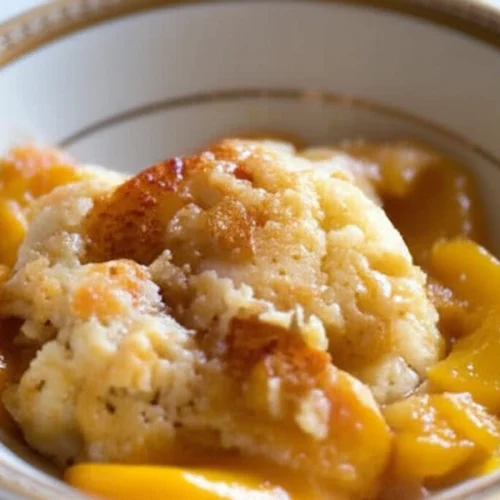
Peach Cobbler
Equipment
- 9×13 inch baking dish
- Large Bowl
- Saucepan
Ingredients
Ingredients
- 5 peaches
- 3/4 cup granulated sugar ((150 g))
- 1/4 teaspoon salt
- 6 Tablespoons vegetable shortening ((85 g))
- 1 cup all-purpose flour ((120 g))
- 1 cup granulated sugar ((200 g))
- 2 teaspoons baking powder
- 1/4 teaspoon salt
- 3/4 cup milk ((180 ml))
- ground cinnamon
Instructions
Instructions
- Add the sliced peaches, sugar and salt to a saucepan and stir to combine. *(If using canned peaches, skip steps 1 & 2 and follow the directions starting at step 3)*
- Cook on medium heat for just a few minutes, until the sugar is dissolved and helps to bring out juices from the peaches. Remove from heat and set aside.
- Preheat oven to 350 degrees F. Slice vegetable shortening into pieces and add to a 9×13 inch baking dish. Place the pan in the oven while it preheats, to allow the vegetable shortening to melt. Melting the vegetable shortening in the pan ensures it’s evenly distributed, creating a perfectly crisp base for the cobbler.
- In a large bowl mix together the flour, sugar, baking powder, and salt. Stir in the milk, just until combined. Pour the mixture into the pan, over the melted vegetable shortening and smooth it into an even layer.
- Spoon the peaches and juice (or canned peaches, if using) over the batter. Sprinkle cinnamon generously over the top.
- Bake at 350 degrees for about 38-40 minutes. Serve warm, with a scoop of ice cream, if desired. Ensuring each step is followed precisely results in the best peach cobbler.