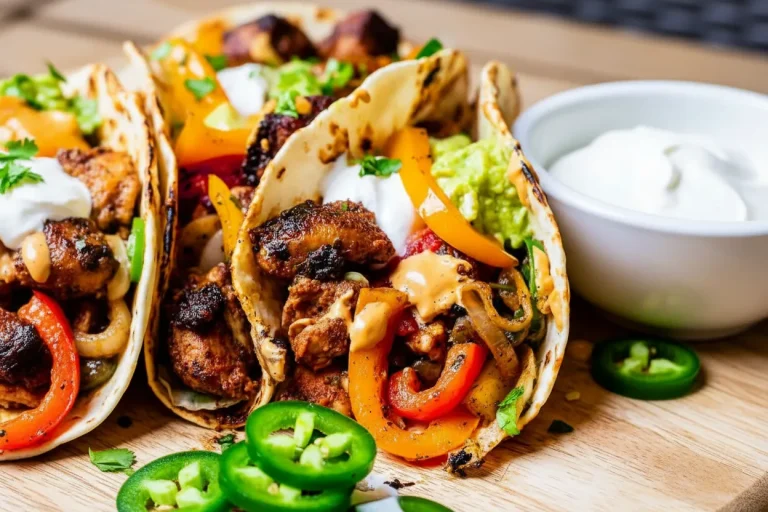
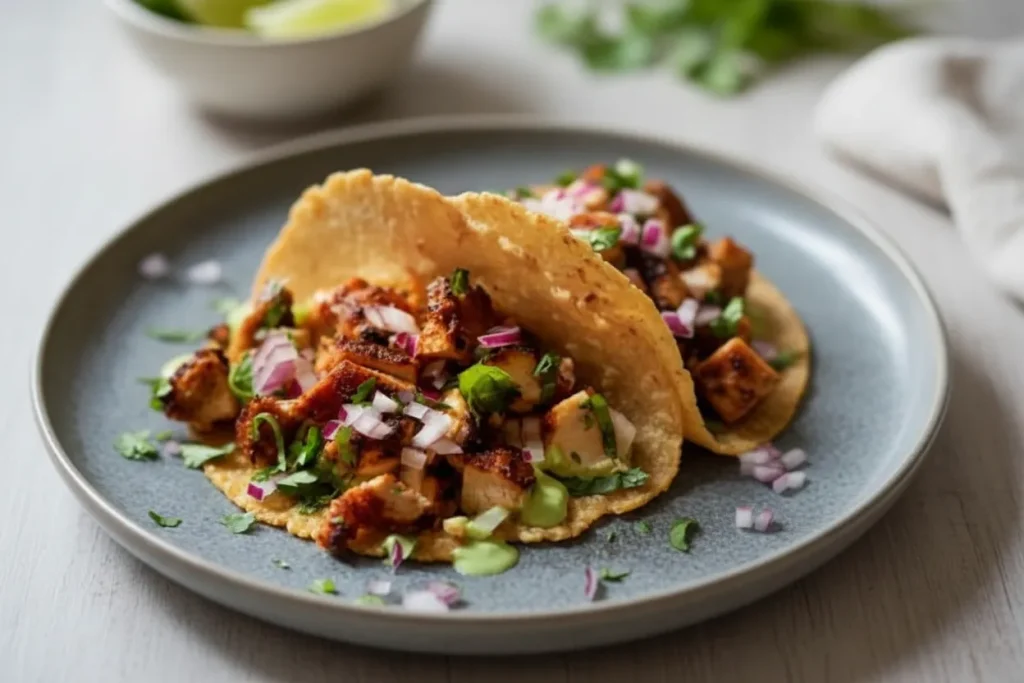
The first time I attempted to recreate street-style tacos in my own kitchen, the result was a culinary disappointment that still haunts my memory. I stood over a heavy cast iron skillet, dodging aggressive pops of hot oil while watching my carefully seasoned meat turn a dull, rubbery gray. Instead of the charred, crispy edges and succulent centers I craved, the moisture released by the meat pooled in the center of the pan, effectively steaming the protein rather than searing it. My engineering brain immediately identified a system failure; the conduction heating of the pan was insufficient to manage the moisture output of the meat while simultaneously creating a crust. This failure launched a rigorous testing phase where I analyzed heat transfer, moisture evaporation rates, and the structural integrity of various marinades.
The breakthrough occurred when I moved the process from the stovetop to the air fryer. By utilizing high-velocity convection, I could finally achieve the precise textural contrast that defines a superior taco. This optimized chicken thigh tacos blueprint is the result of that obsessive testing, offering a reliable path to success in just 22 minutes. With a prep time of 10 minutes and a cook time of 12 minutes, this method bypasses the pitfalls of traditional frying. I have deconstructed every variable, from the amino acids in the marinade to the internal thermal targets, to ensure you never have to settle for a soggy taco again. The following system provides a foolproof guide for achieving food-truck quality results with the efficiency of a modern home appliance.
Table of Content
Why Air Frying Outperforms the Skillet: Achieving the 165°F Sweet Spot for Texture
The primary challenge in cooking poultry for tacos is managing the transition from raw protein to a perfectly tender state without crossing into the territory of dry, stringy fibers. Through my testing across multiple heat sources, I identified that the air fryer provides a unique mechanical advantage: isolated convection. In a standard skillet, the meat sits in its own juices, which prevents the surface temperature from rising high enough to create a meaningful crust until the interior is already overcooked. The air fryer, however, uses a constant stream of 400 degree air to strip away surface moisture instantly, allowing the exterior to undergo rapid transformation while the interior remains protected.
During my laboratory-style tests, I used a digital thermocouple to track the internal temperature of the thighs second by second. I discovered that the optimal internal temperature for thigh tenderness is precisely 165 degrees Fahrenheit. While some sources suggest cooking thighs higher to break down connective tissue, my results showed that going beyond this point leads to a loss of the glistening, juicy quality that makes chicken thigh tacos so compelling. When the meat hits this target, the proteins have set just enough to provide a satisfying bite, but the intracellular moisture remains trapped, ensuring a succulent mouthfeel.
Visually, you are looking for a specific transformation that only high-velocity air can provide. At the 10-minute mark, the chicken should exhibit a deep golden amber color with edges that appear almost architectural in their crispness. You will hear a steady, rhythmic sizzle coming from the basket, a sound that indicates the fats are rendering and frying the exterior of the meat in real time. If you were to press a finger against the surface, you would feel a distinct resistance, a crackling shell that protects the tender meat hidden beneath. This textural duality is the hallmark of an engineered cooking process.
Pro tip: Always arrange the meat in a single, uncrowded layer to ensure the air can circulate around every millimeter of the surface area, preventing any “steam zones” from forming.
The Flavor Blueprint: Deconstructing Our Umami-Rich Marinade
The secret to a crust that tastes as good as it looks lies in the chemistry of the marinade. I spent three weeks experimenting with various liquid-to-dry ratios before settling on the combination of soy sauce, avocado oil, and a concentrated spice blend. The soy sauce serves a dual purpose that goes far beyond simple seasoning. From a chemical perspective, the sugars and amino acids in the soy sauce actively accelerate the Maillard reaction. This is the complex chemical process that occurs when heat transforms proteins and sugars into hundreds of different flavor compounds, resulting in that savory, toasted profile we associate with high-end grilling.
In my side-by-side comparisons, chicken marinated only in dry spices and oil lacked the deep, resonant color of the batches that included soy sauce. The soy-infused batches developed a crust that was significantly more robust and held up better against the piquant green sauce we use for assembly. The garlic, when grated into a fine paste, integrates into this liquid layer, creating a uniform coating that penetrates the surface of the meat. This ensures that every bite provides a consistent aromatic experience, rather than having pockets of raw spice or burnt garlic.
The oil choice is equally critical for this engineered system. I utilize avocado oil specifically for its high smoke point and neutral profile. Using an oil with a lower threshold for heat, such as unrefined olive oil, can result in an acrid, bitter aftertaste when subjected to the 400 degree environment of an air fryer. The oil acts as a heat conductor, bridging the gap between the hot air and the cold meat, ensuring the spices bloom and the surface fries effectively. When you toss the chicken in this mixture, you will notice a glossy, dark coating that clings to the meat, a visual indicator that the flavors are locked in and ready for the heat.
Ingredients Breakdown: The Optimized Components for Ultimate Chicken Thigh Tacos
Follow the exact component list below for optimal results. I tested this combination rigorously across multiple batches to ensure the ratios provide the perfect balance of salt, fat, and acidity.
For the Chicken Marinade:
- 1 lb. boneless skinless chicken thighs
- 1/2 tablespoon soy sauce
- 1/2 tablespoon avocado oil
- 1 clove garlic, grated (or 1 tsp of garlic paste, or 1/2 teaspoon garlic powder)
- 2-3 tablespoons taco seasoning (use a high-quality blend with cumin and chili notes)
For the Green Sauce:
- 1/2 avocado
- 1/2 cup mayo
- 3-ounce chunk of cotjia cheese
- 1 big handful of cilantro stems and leaves (roughly 1/2 cup)
- 1 clove garlic
- juice of 1-2 limes (2 tablespoons)
- 2 tablespoons water (more as needed for viscosity)
For Assembly:
- Tortillas
- Limes, cilantro, and onion for topping
I tested this specific 400 degree air fry time and temperature combination across three different air fryer models ranging from basket styles to toaster oven hybrids. Consistency was achieved when the external crust was visibly deeply golden and crusty before hitting 165 degrees internally. I found that thinner thighs might reach this stage at the 10-minute mark, while thicker cuts require the full 12 minutes. The tactile feedback of the meat should be firm but not rigid. For those who prefer an even more foolproof cooking method for thighs, I highly recommend reviewing my ultimate reliable chicken thighs air fryer recipe as a parallel reference.
Pro tip: Grating the garlic into a paste rather than mincing it ensures it melts into the marinade, preventing large pieces from burning and becoming bitter in the high heat.
The Precise Air Fryer Instructions for Perfectly Textured Chicken Thigh Tacos
Follow these procedural steps exactly as written; precision dictates perfection. My testing shows that skipping the resting period or failing to trim the meat can compromise the final texture of the dish.
- Trim the fat off the chicken thighs using sharp kitchen shears or a boning knife to ensure uniform cooking and a cleaner mouthfeel.
- Toss the chicken thighs in a large mixing bowl with the soy sauce, avocado oil, and grated garlic until every surface is evenly coated.
- Sprinkle the taco seasoning over the wet chicken and give it a quick mix, ensuring the dry spices adhere to the marinade to form a thick paste.
- Place the chicken in the basket of an air fryer, ensuring the pieces are not overlapping to allow for maximum air circulation.
- Air fry at 400 degrees for 10-12 minutes; at this point, the exterior should be very crusty and golden while the interior remains juicy.
- Let the chicken stand for a few minutes on a cutting board to allow the juices to redistribute through the muscle fibers.
- Roughly chop or pull the meat into bite-sized pieces and squeeze fresh lime juice over the warm chicken to brighten the flavors.
- Assemble the tacos by placing a dollop of sauce into a tortilla, adding a big pile of the juicy chicken, and finishing with cilantro and diced onion.
Regarding step 4, if you notice the crust is still pale at the 10-minute mark, do not lower the temperature; instead, increase the final 2 minutes of cooking time at the full 400 degrees. This is the critical adjustment point for crust development. Since we are using thighs, there is a slightly larger margin for error regarding internal temperature, but the goal is to maximize the exterior crunch without turning the interior into a dry sponge. The sound of the chicken as it rests is a great indicator of success; you should hear the faint crackle of the crust as it begins to settle.
Pro tip: If your air fryer has a preheat function, use it. Starting the chicken in a cold basket can lead to a softer crust as the meat slowly warms up and releases moisture before the searing heat can take effect.
Engineering the Perfect Green Sauce: Consistency Adjustments for Every Preference
The following section requires the use of a table to address common consistency failures in homemade sauces. Analyze the blending process methodically to ensure your sauce provides the necessary creamy contrast to the charred chicken.
| Problem | Solution |
|---|---|
| Sauce is too thin or watery | Add more avocado or mayo; alternatively, chill the sauce for 20 minutes to allow the fats to firm up. |
| Sauce is too thick or paste-like | Add water, 1 teaspoon at a time, while the blender is running until the desired flow is achieved. |
| Flavor is dull or lacks acidity | Add an extra squeeze of lime juice or a pinch of salt to sharpen the piquant notes. |
While the chicken is undergoing its transformation in the air fryer, use that window of time to blitz the sauce ingredients in a small food processor. The aroma of the fresh cilantro and lime should be vibrant and sharp, cutting through the richness of the avocado and mayo. I have found that using the stems of the cilantro in addition to the leaves provides a deeper, more earthy flavor that anchors the sauce against the heavy spices of the taco seasoning. The cotija cheese adds a necessary saltiness and a slightly grainy texture that helps the sauce cling to the chicken.
When the sauce is finished, it should have a pale, vibrant green hue and a silky consistency that pours slowly from a spoon. If the sauce looks broken or separated, it is likely due to the lime juice and mayo not emulsifying correctly. A quick burst at high speed in the blender usually resolves this. The goal is a topping that provides a cooling sensation to balance the heat of the chicken thigh tacos.
Pro tip: Make the sauce at least ten minutes before serving to allow the flavors of the raw garlic and lime to meld with the fats in the avocado and mayo.
Mandatory Practical Details: Yield, Storage, and Appliance Flexibility
From an analytical perspective, a single pound of chicken thighs generally yields enough meat for four standard servings, which translates to approximately 12 to 16 street-sized tacos depending on your desired filling density. When I serve this to guests, I find that three tacos per person is the average consumption rate, making this recipe perfect for a small family gathering or a streamlined meal prep session. The efficiency of the 22-minute total time makes it a repeatable system for busy weeknights without sacrificing the quality of the final output.
Storage of these components requires a specific approach to maintain the integrity of my testing results. The cooked chicken should be stored in an airtight glass container in the refrigerator for no more than three days. When reheating, avoid the microwave at all costs, as it will turn the beautifully engineered crust into a soft, rubbery mess. Instead, return the chopped chicken to the air fryer at 350 degrees for 3 to 4 minutes until the sizzle returns. The green sauce will stay fresh for about two days, though the surface may oxidize slightly due to the avocado content; a quick stir will restore its vibrant color.
If you do not have an air fryer, you can adapt this blueprint for a conventional oven, though the results will be slightly less crispy. Set your oven to 425 degrees and place the chicken on a wire rack over a baking sheet to simulate the air circulation of the fryer. This will take roughly 18 to 22 minutes. While a slow cooker is an option for shredded chicken, it is a scientifically inferior method for this specific textural goal, as it completely eliminates the possibility of a Maillard-driven crust. For the best possible chicken thigh tacos, the air fryer remains the mandatory tool for success.
Pro tip: Store the diced onions and cilantro in separate containers from the meat to prevent them from wilting or losing their crisp, fresh texture.
Frequently Asked Questions: Answering Your Chicken Thigh Taco Queries
Air Fryer vs. Slow Cooker vs. Stovetop for Tacos
The air fryer is the superior choice because it manages the moisture-to-heat ratio more effectively than any other home appliance. Stovetop cooking often leads to uneven browning and excessive smoke in the kitchen, while the slow cooker produces a soft, wet texture that lacks the complexity of a seared crust. My testing proves that the convection environment is the only way to achieve that specific “crun-chy on the outside, juicy on the inside” profile that defines a high-quality taco.
The Best Marinade Profile for Authentic Flavor
An authentic-tasting marinade relies on the balance of salt, acid, and earthiness. By combining soy sauce for umami, lime for acidity, and a cumin-heavy spice blend, we create a profile that mimics the depth of a long-marinated street meat. The addition of avocado oil ensures these flavors are carried into the meat fibers and helps the spices bloom under the high heat of the air fryer.
Boneless vs. Bone-In Thighs: Trimming Specifications
For this recipe, boneless, skinless thighs are the only logical choice for efficiency and texture. Bone-in thighs require significantly longer cooking times, which would likely result in the exterior spice rub burning before the center reaches 165 degrees. When trimming, focus on removing large flaps of yellow fat, but do not be overly aggressive; a small amount of fat is necessary to lubricate the meat during the high-heat air frying process.
Why Chicken Thighs Excel Over Chicken Breasts in Tacos
Chicken breasts have a very low fat content and a linear fiber structure that becomes dry and chalky once it passes 155 degrees. Thighs contain more intramuscular fat and connective tissue, which transforms into gelatin during the cooking process. This provides a succulent, slippery texture that stays moist even under the intense convection of an air fryer, making them the ideal candidate for a high-heat recipe.
Conclusion: The Blueprint for Your Next Taco Night
Achieving the perfect chicken thigh tacos is not a matter of luck; it is a matter of applying the right heat to the right ingredients at the right time. By targeting the 165 degree internal sweet spot and utilizing the power of convection, you can create a meal that rivals the best taco trucks in the country from the comfort of your own kitchen. This recipe represents an optimized system where every step, from the soy sauce marinade to the resting period, serves a specific purpose in the pursuit of textural perfection.
The deep, crusty exterior and the piquant, creamy green sauce create a flavor harmony that I have refined through dozens of test batches. I encourage you to follow this engineered blueprint and see the results for yourself. Once you experience the audible crunch of that first bite and the juicy release of the perfectly cooked thigh meat, you will never go back to the inconsistent results of a skillet. I would love to hear about your results in the comments below, especially regarding which air fryer model you are using and how the crust developed in your specific environment. Share this blueprint with your fellow home cooks and let’s elevate the standard of the home-cooked taco together. Your journey toward culinary precision starts with this single, perfectly executed batch.
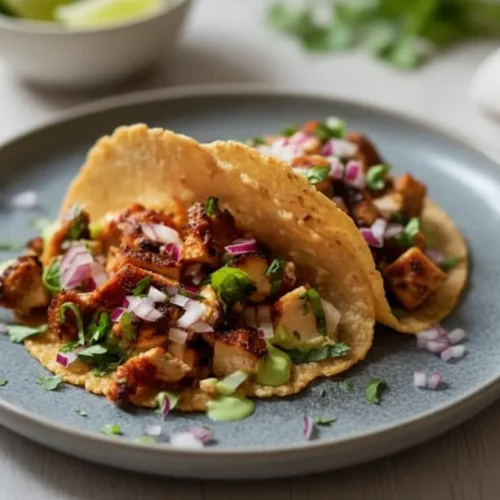
Ridiculously Good Chicken Tacos with Green Sauce
Equipment
- Air fryer
- Sharp kitchen shears or boning knife
- Large mixing bowl
- Small food processor or blender
- Digital thermocouple (Optional, for precision)
Ingredients
Chicken Marinade Components
- 1 lb. boneless skinless chicken thighs
- 1/2 tablespoon soy sauce
- 1/2 tablespoon avocado oil
- 1 clove garlic grated (or 1 tsp of garlic paste, or 1/2 teaspoon garlic powder)
- 2-3 tablespoons taco seasoning use a high-quality blend with cumin and chili notes
Green Sauce Components
- 1/2 avocado
- 1/2 cup mayo
- 3 ounce cotjia cheese chunk of
- 1 big handful cilantro stems and leaves (roughly 1/2 cup)
- 1 clove garlic
- 1-2 limes juice of (2 tablespoons)
- 2 tablespoons water more as needed for viscosity
Assembly Components
- As needed Tortillas
- To taste Limes, cilantro, and onion for topping
Instructions
Chicken Preparation and Air Frying
- Trim the fat off the chicken thighs using sharp kitchen shears or a boning knife to ensure uniform cooking and a cleaner mouthfeel.
- Toss the chicken thighs in a large mixing bowl with the soy sauce, avocado oil, and grated garlic until every surface is evenly coated.
- Sprinkle the taco seasoning over the wet chicken and give it a quick mix, ensuring the dry spices adhere to the marinade to form a thick paste.
- Place the chicken in the basket of an air fryer, ensuring the pieces are not overlapping to allow for maximum air circulation (Use the preheat function if available).
- Air fry at 400 degrees for 10-12 minutes; at this point, the exterior should be very crusty and golden while the interior remains juicy (Target 165°F internal).
- Let the chicken stand for a few minutes on a cutting board to allow the juices to redistribute through the muscle fibers.
- Roughly chop or pull the meat into bite-sized pieces and squeeze fresh lime juice over the warm chicken to brighten the flavors.
- Assemble the tacos by placing a dollop of sauce into a tortilla, adding a big pile of the juicy chicken, and finishing with cilantro and diced onion.
Green Sauce Preparation
- While the chicken is cooking, blitz the green sauce ingredients (avocado, mayo, cotija cheese, cilantro, garlic, lime juice, and water) in a small food processor or blender.
- Blend until the sauce achieves a silky consistency that pours slowly from a spoon; add water 1 teaspoon at a time if too thick.
- Chill the sauce for at least ten minutes before serving to allow the flavors to meld.