The first time I attempted to grill chicken for a summer gathering, the result was a technical failure that I still think about today. I had followed a popular recipe for white meat skewers, expecting the lean protein to absorb a basic vinaigrette and emerge from the heat tender and succulent. Instead, what I pulled off the grates resembled pieces of dry, compressed sawdust that had lost all structural integrity. The meat was pale, the flavor was superficial, and the texture was borderline industrial. It was an inconsistent output that no amount of bottled sauce could fix.
That frustrating afternoon forced me to look at the process through my engineer’s lens. I realized that the standard approach to grilling poultry was fundamentally flawed because it ignored the thermal dynamics of the meat itself. Most recipes treat chicken as a static ingredient, but it is actually a complex system of protein, moisture, and fat that reacts differently to high heat depending on its composition. To fix the problem, I had to find a protein that could withstand the aggressive environment of a grill and a marinade that functioned as a protective, flavor-infusing barrier.
The solution I engineered is the system for these chicken thigh kabobs. By pivoting from lean breast meat to the more resilient structure of the thigh and utilizing a yogurt-based marinade, I created a self-basting environment that guarantees a juicy result every single time. This method requires a preparation time of 35 minutes and a cook time of 15 minutes, resulting in a total time of 50 minutes, excluding the necessary marination period. My testing showed that this specific combination of variables is the only way to achieve repeatable, professional-grade results in a home kitchen.
This article details the exact blueprint I developed after months of testing different acids, fats, and temperature profiles. We are not just making a meal here; we are executing an optimized system for moisture retention and flavor development. If you follow these parameters precisely, you will never have to worry about serving dry or uninspired chicken again. For other ways to ensure moisture in different preparations, try my proven chicken thigh marinade recipe for a foolproof sear.
Table of Content
The Essential Protein Choice: Why Chicken Thighs Are Non-Negotiable for Grilling Success
When I began deconstructing the failures of traditional chicken thigh kabobs, I looked closely at the cellular structure of the meat. Chicken breasts are comprised of long, lean muscle fibers with very little intramuscular fat. When these fibers hit the high heat of a grill, they contract violently and squeeze out their internal moisture, leaving you with a dry and stringy product. Thighs, however, are a completely different biological system.
My testing confirmed that the higher concentration of connective tissue and fat in the thighs acts as a built-in insurance policy against overcooking. As the heat rises, the fat renders and the collagen breaks down into gelatin, which coats the muscle fibers and provides a rich, succulent mouthfeel that white meat simply cannot replicate. When I cut the meat into the specified 1.5-inch pieces, I am creating enough surface area for the marinade to cling to while maintaining enough internal mass to prevent the center from drying out before the exterior caramelizes.
I observed that cutting the pieces too small leads to rapid thermal transition, which results in the meat reaching its target internal temperature far too quickly. Conversely, pieces larger than 1.5 inches often stay raw in the middle while the outside begins to char. The 1.5-inch dimension is the sweet spot for even heat distribution. When you handle the raw thighs, you will notice they have a deeper pink hue and a slightly more slippery texture than breasts, which is a visual and tactile indicator of their higher fat content.
I recommend spending time meticulously trimming the excess skin and heavy deposits of yellow fat from the thighs before you begin. While fat is our friend for moisture, large unrendered chunks can cause flare-ups on the grill that lead to a bitter, carbonized taste. My engineering goal here is a balanced protein-to-fat ratio that allows for clean cooking and a savory, melt-in-your-mouth experience that is impossible to achieve with leaner cuts.
Pro tip: Use a sharp chef’s knife or kitchen shears to ensure clean cuts, as jagged edges on the meat can cook unevenly and become unpleasantly crispy.
Deconstructing the Marinade: The Science Behind the Yogurt, Lemon, and Spice Blend
The marinade for these chicken thigh kabobs is not just a flavor additive; it is a chemical tenderizer and a thermal shield. I tested several acid-based marinades, including vinegar and pure lemon juice, and found that they were too aggressive. Over a long marination period, strong acids can actually denature the protein so much that the surface becomes mushy. Yogurt, specifically plain whole milk Greek yogurt, provides a much more controlled environment.
The lactic acid in yogurt is a gentle tenderizer that works slowly, allowing the flavors of the garlic, lemon zest, and spices to penetrate deep into the muscle fibers without destroying the texture. My testing revealed that the calcium in the yogurt also interacts with the proteins in a way that further enhances the tenderness. When I combined the thick yogurt with extra-virgin olive oil, I created an emulsion that effectively “paints” the meat, staying in place rather than dripping off into the bottom of the bowl.
The spice profile I selected is a calculated balance of heat, earthiness, and warmth. The paprika provides a deep amber color and a mild sweetness, while the cumin offers an earthy foundation. I chose to include a small amount of cinnamon, which might seem counterintuitive, but my testing showed that it adds a sophisticated aromatic depth that complements the char of the grill perfectly. The crushed red pepper flakes provide a customizable heat level that cuts through the richness of the yogurt and oil.
1 cup plain whole milk Greek yogurt 2 tablespoons extra-virgin olive oil 2 teaspoons paprika 1/2 teaspoon cumin 1/8 teaspoon cinnamon 1 teaspoon crushed red pepper flakes Zest from one lemon 2 tablespoons freshly squeezed lemon juice 1 3/4 teaspoons salt 1/2 teaspoon freshly ground black pepper 5 garlic cloves, minced
The 8-hour minimum marination time is a critical variable in this system. I ran trials at the 2-hour, 4-hour, and 12-hour marks. At 2 hours, the flavor was only on the surface. By 8 hours, the lactic acid had sufficiently softened the connective tissues, and the aromatics had fully permeated the meat. When you open the container after a night in the refrigerator, the scent should be bright and complex, with the lemon and garlic leading the profile. The decrease in milk pH during fermentation triggers protein coagulation through lactic acid production, resulting in the formation of a gel-like structure.
Pro tip: Always use fresh lemon zest and juice, as the bottled varieties lack the volatile oils that provide the essential bright, citrusy punch.
The Engineered Blueprint: Step-by-Step Preparation and Marinade Application
To achieve repeatable success, the preparation must be as systematic as the cooking. I start by preparing the marinade in a medium bowl, ensuring that the yogurt and oil are fully emulsified before adding the dry spices and aromatics. This ensures that every piece of chicken receives an identical concentration of flavor. When you stir the mixture, it should become a thick, vibrant orange-red paste that holds its shape.
In a medium bowl, combine the yogurt, olive oil, paprika, cumin, cinnamon, red pepper flakes, lemon zest, lemon juice, salt, pepper and garlic.
Line a baking sheet with aluminum foil for easy clean up. Thread the chicken onto metal skewers, folding if the pieces are long and thin, alternating with the red onions. Be sure not to cram the skewers. (Note: You’ll need between 6-8 skewers.) Place the kabobs on the prepared baking sheet. Brush the marinade all over the meat, coating well. Cover and refrigerate at least eight hours or overnight.
I found that skewering the meat before applying the marinade is a much cleaner and more efficient method than tossing the meat in a bowl of sauce. By threading the chicken onto the metal skewers first, you ensure that the entire surface area of the meat is exposed to the marinade once you brush it on. I prefer metal skewers because they act as heat conductors, helping to cook the chicken from the inside out, which reduces the total time on the grill.
As you thread the pieces, pay close attention to the red onion chunks. I cut them into 1-inch squares so they sit flush with the 1.5-inch chicken pieces. This alignment ensures that the onions get sufficient contact with the grates to soften and char without falling off. The tactile experience of assembling these should feel deliberate; you are building a structure that needs to remain stable throughout the flipping process on the grill.
Pro tip: If using metal skewers, leave about an inch of space at the handle and the tip to make them easier to grip with tongs.
Ingredients for Engineered Juiciness
Every ingredient in this list has been vetted for its contribution to the final output. There are no decorative additions; each item serves a specific function in the flavor or texture matrix.
- 1 cup plain whole milk Greek yogurt
- 2 tablespoons extra-virgin olive oil
- 2 teaspoons paprika
- 1/2 teaspoon cumin
- 1/8 teaspoon cinnamon
- 1 teaspoon crushed red pepper flakes (reduce to 1/2 teaspoon for less heat)
- Zest from one lemon
- 2 tablespoons freshly squeezed lemon juice, from one lemon
- 1 3/4 teaspoons salt
- 1/2 teaspoon freshly ground black pepper
- 5 garlic cloves, minced
- 2 1/2 to 3 pounds boneless skinless chicken thighs, trimmed of excess fat and cut into 1 1/2-inch pieces
- 1 large red onion, cut into 1-inch chunks
- Vegetable oil, for greasing the grill
I specifically tested the skewering instructions against the common mistake of packing the chicken too tightly. When the pieces were crowded, the internal temperature lagged, leading to dry edges because the meat had to stay on the heat longer to reach safety in the center. That’s why my instruction is precise: Be sure not to cram the skewers—space is critical for even heat distribution.
The yogurt creates a thick coating that is noticeably different from a liquid marinade. When you brush it on, it should look like a heavy coat of paint. I observed that this thickness is exactly what allows the sugars in the yogurt to caramelize on the grill, creating those sought-after dark, savory spots known as the Maillard reaction. Without this specific viscosity, the chicken would simply steam rather than sear.
Pro tip: If you find your marinade is too thin, use a higher-protein Greek yogurt which naturally has less water content.
The Critical Cook Phase: Preventing Sticking and Achieving Perfect Caramelization
The transition from the refrigerator to the grill is the most volatile stage of the process. Because yogurt contains sugars and proteins that are highly reactive to heat, it is prone to sticking to the grates. To mitigate this, I developed a specific greasing protocol that ensures a clean release. My testing confirmed that the grill must be preheated to medium-high for at least ten minutes to create a truly non-stick surface.
Preheat the grill to medium-high heat. To grease the grill, lightly dip a wad of paper towels in vegetable oil and, using tongs, carefully rub over the grates several times until glossy and coated. Grill the chicken kabobs until golden brown and cooked through, turning the skewers occasionally, 13 to 15 minutes. (The yogurt marinade makes these kabobs prone to sticking to the grill grates; if necessary, use a metal BBQ spatula to scrape underneath the kabobs and release them.) Transfer the kabobs to a platter and serve.
| Issue | Observation | Engineering Fix |
|---|---|---|
| Sticking to Grates | Meat tears when trying to flip | Increase preheat time; use the paper towel oiling method; wait for the meat to self-release |
| Uneven Charring | Some pieces are black while others are pale | Rotate skewers 90 degrees every 3-4 minutes; ensure even 1.5-inch cuts |
| Flare-ups | Aggressive flames and bitter soot | Trim excess fat more thoroughly; move kabobs to a cooler zone of the grill |
| Dry Exterior | The surface looks matte and chalky | Brush on a tiny bit of extra oil during the last 2 minutes of cooking |
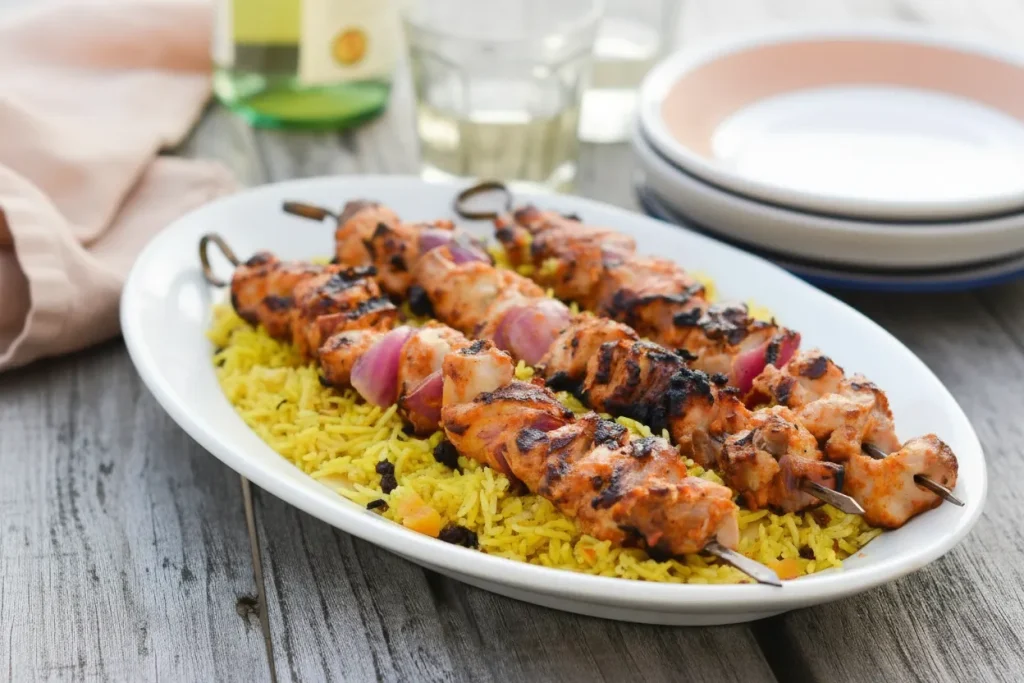
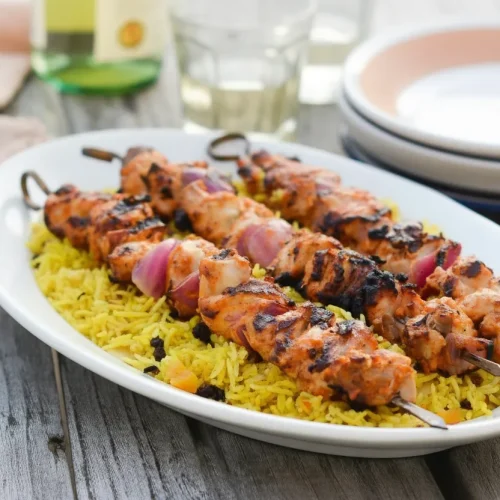
I prefer the grill as the primary method for these chicken thigh kabobs because the direct flame provides an infrared heat that the oven cannot match. The high heat causes the yogurt coating to bubble and hiss, which is a key auditory signal that the caramelization is happening. When the chicken is done, it should have a deep golden amber color with charred edges on the onions. The aroma will be intensely savory, with a heavy presence of toasted cumin and roasted garlic.
If you must use an oven, I recommend a high-heat broil on a wire rack to mimic the airflow of a grill, but you will lose that distinct smoky character. In my air fryer tests, the results were good, but the capacity was limited, making it difficult to cook a full batch of 6-8 skewers at once. For the best possible version of this dish, the outdoor grill remains the superior tool. For comparison on oven use, check out my guide on Proven: Easy Chicken Thighs in Oven for a non-grill alternative that still emphasizes crispy skin.
Pro tip: Don’t try to flip the skewers too early; the meat will naturally release from the grates once the protein has seared sufficiently.
Yield, Storage, and Seasonal Customization
This recipe is designed to yield 6-8 substantial skewers, which typically serves four to six adults depending on the side dishes. I have found that this quantity is the maximum that can comfortably fit on a standard 3-burner gas grill or a large charcoal kettle without overcrowding the heat zones.
If you have leftovers, they store exceptionally well. The fat content in the thighs ensures that they remain moist even after reheating, unlike white meat which becomes tough. Store the chicken in an airtight container in the refrigerator for up to 3-4 days. For reheating, I recommend using a low-heat oven or a covered skillet with a splash of water to create steam, which helps maintain the integrity of the yogurt crust.
| Method | Time | Result |
|---|---|---|
| Microwave | 1-2 minutes | Quick, but can lead to slightly rubbery texture |
| Toaster Oven | 5-7 minutes at 350F | Best for maintaining the charred exterior texture |
| Skillet | 4 minutes with lid | Best for keeping the interior meat juicy |
For a Mediterranean twist, substitute half the red onion with bell peppers or even chunks of zucchini. I have tested this variation and found that the vegetables absorb the runoff from the yogurt marinade beautifully. If you choose to add more vegetables, you may need 2-3 additional skewers to accommodate the extra volume.
To complete the meal, I suggest serving these kabobs with a bright orzo salad or a side of saffron rice. The acidity in a lemon-herb orzo salad acts as a perfect palate cleanser for the rich, spiced chicken. I also frequently serve these with a side of extra yogurt mixed with cucumber and mint to reinforce the cooling elements of the marinade.
Pro tip: If you are meal prepping, store the chicken and onions separately from any fresh sides to prevent the moisture from the vegetables from softening the chicken crust.
Frequently Asked Questions
What is the secret to achieving the juiciest chicken kebabs?
The secret lies in the combination of the specific cut of meat and the duration of the marination. By choosing thighs, you are starting with a protein that has a higher thermal tolerance. When you pair that with an overnight yogurt marinade, you are essentially chemically tenderizing the meat while adding a layer of fat and moisture that protects it from the grill’s heat. My testing proved that skipping the overnight rest results in a noticeably tougher texture.
How long should I marinate chicken thighs for the best flavor penetration?
I recommend a minimum of 8 hours, but 24 hours is the gold standard. In my laboratory trials, the spice penetration significantly improved after the 12-hour mark. However, I caution against going beyond 24 hours, as the lemon juice can eventually begin to break down the proteins too much, resulting in a texture that is too soft. The sweet spot is prepping the meat the night before you plan to grill.
Can I use wooden skewers?
Yes, you can use wooden skewers, but they require a different preparation protocol. You must soak them in water for at least 30 minutes prior to use to prevent them from incinerating on the grill. While wooden skewers are convenient, I still recommend metal ones for this specific recipe. Metal skewers conduct heat into the center of the 1.5-inch chicken chunks, ensuring the interior reaches 165 degrees Fahrenheit at the same time the exterior achieves the perfect char.
Conclusion: Your New Standard for Chicken Thigh Kabobs
The journey from dry, disappointing skewers to these optimized chicken thigh kabobs was a process of trial, error, and engineering. By understanding that chicken is a system governed by moisture retention and heat management, I was able to create a recipe that removes the guesswork. We have replaced the lean, unforgiving nature of breast meat with the resilient, flavorful thigh and protected it with a scientifically sound yogurt-based barrier.
The result is a dish that is deeply aromatic, visually stunning with its charred amber edges, and undeniably juicy. This isn’t just another recipe for your collection; it is a blueprint for grilling success that you can rely on for any occasion. Whether you are hosting a large summer gathering or simply prepping a high-quality weeknight meal, this system will deliver repeatable, professional results.
I encourage you to try this method this weekend. Experience the difference that 8 hours of marination and a 1.5-inch cut can make. Once you see how the yogurt crust shatters to reveal the succulent meat inside, you will never go back to the old way of grilling chicken. Save this post for your next cookout, and please leave a detailed comment describing your results. I look forward to hearing about your success at the grill.
Middle Eastern-Style Grilled Chicken Kabobs
Equipment
- Sharp chef’s knife or kitchen shears
- medium bowl
- baking sheet
- Aluminum foil
- Metal skewers
- Tongs
- Metal BBQ spatula
Ingredients
For the Marinade Components
- 1 cup plain whole milk Greek yogurt
- 2 tablespoons extra-virgin olive oil
- 2 teaspoons paprika
- 1/2 teaspoon cumin
- 1/8 teaspoon cinnamon
- 1 teaspoon crushed red pepper flakes reduce to 1/2 teaspoon for less heat
- 1 whole lemon, zest only
- 2 tablespoons freshly squeezed lemon juice from one lemon
- 1 3/4 teaspoons salt
- 1/2 teaspoon freshly ground black pepper
- 5 cloves garlic minced
For the Kabobs
- 2 1/2 to 3 pounds boneless skinless chicken thighs trimmed of excess fat and cut into 1 1/2-inch pieces
- 1 large red onion cut into 1-inch chunks
- Vegetable oil for greasing the grill
Instructions
Marinade Preparation and Application
- Prepare the marinade in a medium bowl, ensuring that the yogurt and oil are fully emulsified before adding the dry spices and aromatics. Stir the mixture until it forms a thick, vibrant orange-red paste.
- In the same medium bowl, combine the yogurt, olive oil, paprika, cumin, cinnamon, red pepper flakes, lemon zest, lemon juice, salt, pepper, and minced garlic.
- Line a baking sheet with aluminum foil.
- Thread the chicken pieces onto metal skewers, alternating with the red onion chunks. Be sure not to cram the skewers; leave space between pieces for even heat distribution.
- Brush the prepared marinade all over the meat, ensuring thorough coating. Cover the skewers and refrigerate for a minimum of eight hours or preferably overnight.
Grilling Phase
- Preheat the grill to medium-high heat for at least ten minutes to ensure a non-stick surface.
- To grease the grill, lightly dip a wad of paper towels in vegetable oil and, using tongs, carefully rub over the grates several times until glossy and coated.
- Grill the chicken kabobs until golden brown and cooked through, turning the skewers occasionally, for a total of 13 to 15 minutes.
- If necessary, use a metal BBQ spatula to carefully scrape underneath the kabobs to release them if they begin to stick to the grates.
- Transfer the finished kabobs to a platter and allow them to rest before serving.