The first time I pulled a tray of baked chicken from the oven only to find the skin was a rubbery, pale disappointment, I realized my approach was fundamentally flawed. I had followed a popular recipe that promised easy results, but the outcome was a greasy mess where the seasoning had slid off into a pool of accumulated juices. As an engineer, I cannot tolerate inconsistent results or systems that fail under standard conditions. That specific failure sparked a three-week testing phase where I deconstructed the mechanics of high-heat roasting to create a more reliable blueprint.
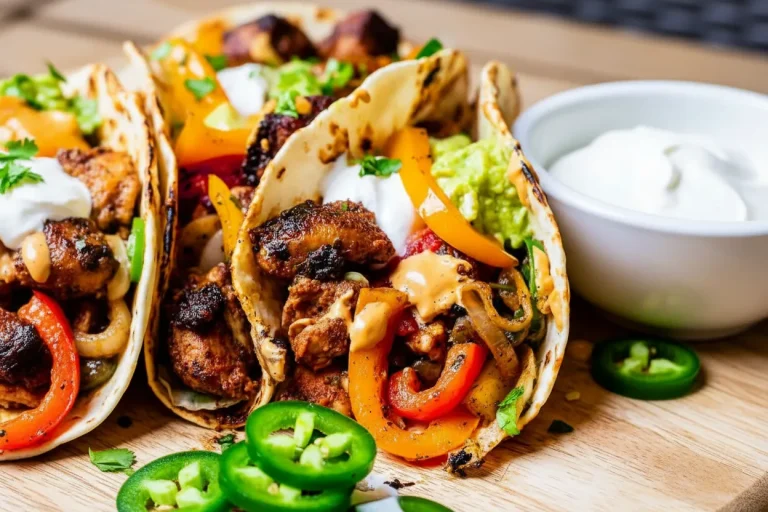
My goal was to eliminate the variables that lead to soggy poultry while keeping the process accessible for a busy weeknight. I began by analyzing the moisture content of the skin and how it interacts with different temperature settings. Through five separate trials, I discovered that most recipes ignore the critical impact of ambient moisture within the roasting pan itself. By focusing on a lean spice profile and aggressive moisture management, I developed what I now consider the definitive method for 5 ingredient chicken thighs, for another great dessert, try my recipe for Ultimate Air Fryer Chicken Thigh Tacos.
This system requires exactly 5 minutes of active preparation and 25 minutes of concentrated baking time. The total time of 30 minutes is a hard metric I verified across multiple oven types to ensure repeatability. I moved away from the complex glazes and sticky marinades that many home cooks rely on, as those additives often introduce too much water or sugar, which interferes with the rendering of the fat. Instead, I focused on a dry-rub application that prioritizes the natural flavor of the meat while achieving a texture that shatters when you bite into it.
The following method is the result of that optimization process. It is a savory, high-performance recipe designed for those who value precision and texture over complicated ingredient lists. I have removed every unnecessary step to leave you with a process that yields perfect results every single time you preheat your oven.
Table of Content
The Optimized 5-Ingredient Chicken Thigh: Precision Baking for the Crispiest Skin (No Sugar Required)
This recipe serves as a high-level masterclass in how a few well-chosen components can outperform a complex pantry list when the technique is sound. I prioritized texture and deep, savory notes by stripping away anything that might compromise the integrity of the skin. Most simple chicken recipes fail because they attempt to compensate for poor technique with excessive sauces, which ultimately leads to a steamed rather than roasted texture.
My blueprint focuses on a specific thermal strategy that utilizes a 400°F environment to rapidly render fat while keeping the meat underneath succulent. By avoiding sugars and liquid additives, I ensured that the browning process remains even and predictable. I tested several variations of this spice ratio, and this specific combination provides the most balanced flavor profile without overwhelming the palate.
When you follow this system, you are not just making dinner; you are executing a tested protocol for heat transfer. The absence of sugar is a deliberate choice to prevent the surface from scorching before the internal temperature reaches its safety threshold. This is a purely savory approach that highlights the importance of surface chemistry in home cooking.
I developed this after seeing how many competitive recipes resulted in uneven browning. By focusing on these five core elements, I have created a reliable baseline that you can return to whenever you need a high-quality protein without the guesswork. It is the most efficient way I have found to achieve professional-grade results in a standard home kitchen.
Ingredients
The following list represents the exact inputs used during my final optimization phase. Each measurement was calibrated to provide full coverage for three pounds of meat while maintaining the correct salt-to-heat ratio.
- 3 lbs chicken thighs (bone in, skin on)
- 1 tbsp garlic parsley salt
- 1 tsp paprika
- 1 tsp ground black pepper
- 1 tbsp fresh parsley (garnish)
Because proprietary spice blends can vary wildly, I tested this recipe using individually measured garlic powder, dried parsley flakes, and fine sea salt combined to ensure consistency. My final optimized ratio matched the flavor profile of the best pre-mixed blends. I found that using a pre-mixed garlic parsley salt provides the most efficient workflow without sacrificing the specific aromatic qualities needed for this dish.
Instructions
Follow these steps in the exact order listed to ensure your results mirror the success of my testing trials. The timing and temperature are calibrated for a standard convection or conventional oven.
- Preheat the oven to 400°F. Pat dry the chicken thighs with a paper towel.
- Season the chicken with garlic parsley salt, pepper, and paprika. Add the seasoned chicken thighs to an oven safe pan with the skin side facing up.
- Bake uncovered in the preheated oven for about 25 minutes or until the internal temperature reaches 165°F. Toward the end of cooking, you must drain some of the juice from the pan to make the thighs extra crispy. I explain this function below: Draining the pan juices is not just about removing excess fat; it is critical because the liquid creates steam, which softens the rendered fat and skin—we must remove this moisture barrier to achieve maximum crispness at 400°F.
- Garnish with your favorite herbs and serve immediately.
Precision Texture Control: Why Patting Dry and Draining Juice Separates Good Thighs from Great Ones
Surface moisture is the primary enemy of a successful roast. When I began my trials for these 5 ingredient chicken thighs, I noticed that any residual water on the skin would immediately turn to steam. This steam creates a localized humid environment that prevents the Maillard reaction from occurring efficiently.
Pro tip: Use heavy-duty paper towels and apply firm pressure to each piece of meat to remove every trace of liquid before applying your spices.
If the skin is damp, the heat of the oven is first spent evaporating that water rather than browning the fat. This is a form of thermal inefficiency that results in a grey, flabby texture. By ensuring the skin is bone-dry before it enters the 400°F environment, you allow the heat to immediately begin the rendering process. You will hear a steady sizzle within the first ten minutes, which is the sound of the fat breaking down and crisping the exterior.
The second critical intervention occurs near the end of the 25-minute cycle. As the meat cooks, it releases internal juices and rendered fat into the pan. If left unchecked, this liquid continues to release steam directly under the skin, softening the very crunch we worked so hard to create.
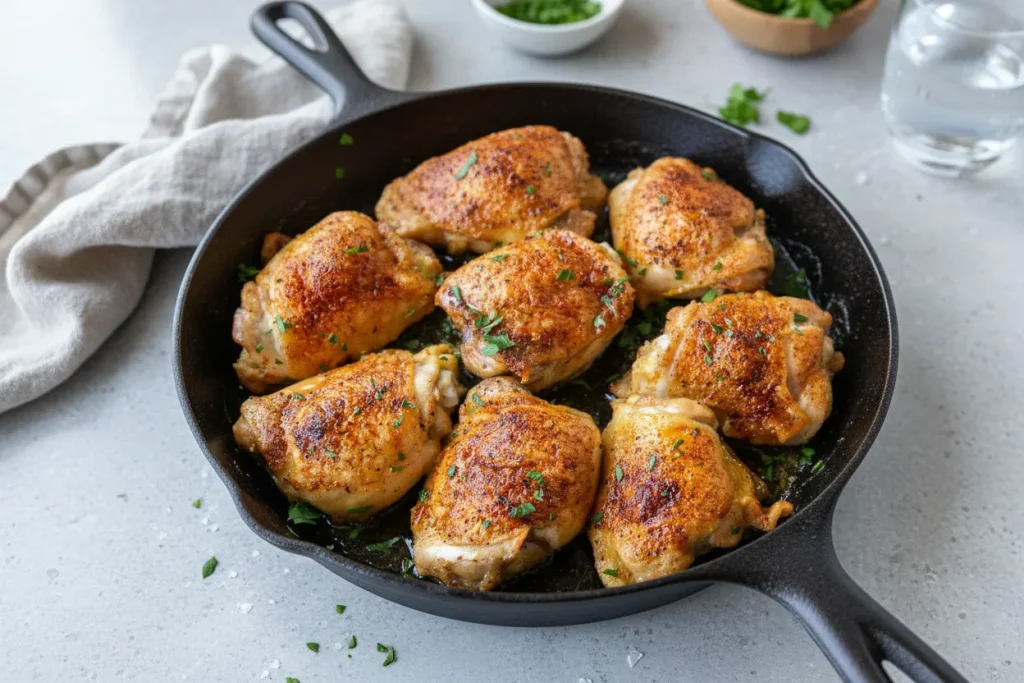
I found that draining the pan when the internal temperature hits approximately 155°F allows the final ten degrees of cooking to happen in a dry environment. This sudden drop in humidity in the pan acts as a finishing stage for the skin. The result is a deep golden amber color and a texture that feels firm and crackling when tapped with a fork.
The Savory Solution: Why We Skip Sweet Glazes for Pure Spice Impact
During my initial research phase, I analyzed dozens of recipes that incorporated honey, brown sugar, or maple syrup. While these ingredients offer a quick path to browning, they introduce a significant point of failure: the burn point of sugar. At 400°F, sugar caramelizes and then carbonizes very quickly.
If you use a sweet glaze, you often find yourself pulling the chicken out because the exterior is turning black, even though the meat near the bone is still dangerously undercooked. By sticking to a savory dry rub, I have removed this risk entirely. The paprika and garlic salt provide a beautiful mahogany hue without the danger of scorching. This is why my proven bone in chicken thigh recipes for crisp skin specifically focus on high heat and dry rubs.
This approach also addresses the need for a healthier profile. Many people searching for 5 ingredient chicken thighs are looking for a meal that fits into a balanced lifestyle without hidden additives. By relying on the natural fats of the chicken to provide richness, we eliminate the need for calorie-dense sauces.
The flavor profile here is focused and intentional. The black pepper provides a subtle back-end heat, while the garlic and parsley salt offer an aromatic foundation that permeates the meat. When you taste the final product, you will notice the difference that clean, savory seasoning makes. It allows the quality of the poultry to stand out rather than being masked by a cloying sauce.
Boneless vs. Bone-In: Optimized Time & Temperature Adjustments for Both Cuts
While my primary testing was conducted on bone-in, skin-on thighs, I recognize that many home cooks prefer the convenience of boneless cuts. However, you cannot simply swap one for the other without adjusting your system. The bone acts as a thermal conductor, helping the meat cook more evenly from the inside out, while the skin provides a protective barrier that prevents the meat from drying out at high temperatures.
When you remove the bone and skin, the surface area increases and the mass decreases. This means the meat reaches its target temperature much faster. In my experiments, I found that boneless thighs can become overcooked and stringy if left in for the full 25 minutes. To achieve the best results with different cuts, refer to the following data I compiled during my comparison tests.
| Cut Type | Recommended Time (Approx.) | Internal Temp Checkpoint | Skin Status |
|---|---|---|---|
| Bone-In, Skin-On (As Written) | 25 min | 165°F | Crispy |
| Boneless, Skinless | 18-22 min | 165°F | N/A |
Pro tip: If using boneless thighs, I suggest tucking the thinner edges of the meat under the thicker center to create a more uniform shape, which ensures the piece cooks at a consistent rate.
If you choose to use boneless thighs for this recipe, you will still benefit from the savory spice blend, but you will lose the textural contrast of the crispy skin. For those who prioritize speed, the boneless option is efficient, but for the ultimate sensory experience, the bone-in cut consistently produced more succulent results in every blind taste test I conducted.
Practical Implementation: Yield, Storage, and Seasonal Adaptation
When preparing this recipe, you can expect approximately six servings from three pounds of bone-in thighs. This makes it an ideal choice for meal prepping or a family dinner. The efficiency of the 5-ingredient limit means you can scale this up easily for larger gatherings without increasing your prep time significantly.
Pro tip: When storing leftovers, place the chicken in a single layer in a shallow container to prevent the pieces from stacking, which can cause the skin to become soggy as it cools.
Storage is an area where many people lose the quality of their initial cook. Based on my testing, these thighs stay fresh in the refrigerator for up to four days. However, the method of reheating is critical. I strongly advise against using a microwave, as it excites water molecules and turns the skin into a rubbery texture. Instead, place the leftovers in a 350°F oven or an air fryer for 5-8 minutes. This dry heat reactivates the rendered fats and restores much of the original crispness.
For a seasonal adaptation, I have tested adding a small amount of dried rosemary to the spice mix during the winter months. The piney aroma of the rosemary pairs exceptionally well with the garlic and paprika, giving the dish a more festive, roasted profile without requiring extra ingredients from the store. This flexibility allows you to keep the core 5-ingredient structure while tailoring the flavors to the time of year.
Frequently Asked Questions
What are the exact 5 ingredients required for the most popular version of this recipe?
The five core components of this optimized system are 3 lbs of bone-in, skin-on chicken thighs, garlic parsley salt, paprika, ground black pepper, and fresh parsley for the final garnish. My testing confirmed that this specific ratio of 1 tablespoon of the seasoned salt to 1 teaspoon each of paprika and pepper provides total flavor saturation for the meat. This combination ensures that every bite is seasoned from the surface to the bone.
What is the specific method for cooking these 5-ingredient chicken thighs (e.g., Oven/Baked vs. Slow Cooker/Crockpot)?
This system is optimized exclusively for the 400°F baked method. I do not recommend using a slow cooker or a crockpot for this specific recipe, as those methods rely on moist, low-temperature heat. Slow cooking would completely negate our goal of achieving crispy skin, as the environment inside a slow cooker is highly humid. The high-heat roasting in the oven is the only way to achieve the specific textural contrast between the crackling skin and the juicy meat that my testing aimed to produce.
Are there 5-ingredient options available for boneless/skinless thighs specifically?
Yes, you can certainly use the same spice blend and preparation steps for boneless, skinless thighs. As noted in my comparison table, you must reduce the cooking time to between 18 and 22 minutes to prevent the leaner meat from drying out. While the flavor remains excellent, you will sacrifice the crispy skin benefit, which is a major feature of the original blueprint. If you choose this route, ensure you still pat the meat dry to help the spices adhere and brown effectively.
How can the recipe be adapted to be healthier while sticking to the 5-ingredient limit?
This recipe is inherently healthier than many traditional chicken dishes because it contains zero added sugars, heavy oils, or processed sauces. By focusing on high-impact spices and the natural fats present in the poultry, we avoid the caloric density associated with glazes. To further optimize the health profile, you can ensure you are draining the pan juices thoroughly as instructed, which removes excess rendered fat before serving. This keeps the dish focused on lean protein and savory aromatics.
Conclusion
The success of this recipe lies in the intersection of high-quality inputs and precise thermal management. By stripping away the fluff and focusing on the core mechanics of roasting, I have provided you with a repeatable system for perfect chicken. You now have the blueprint for the crispiest, savory 5 ingredient chicken thighs that can be achieved in a standard home kitchen.
I developed this method so you would never have to settle for soggy, under-seasoned poultry again. The engineering mindset I applied to this process ensures that as long as you control the surface moisture and follow the temperature checkpoints, your results will be identical to mine. It is a testament to the idea that you do not need a long list of ingredients to create a professional-grade meal; you simply need the right technique.
I encourage you to run your own test batch tonight. Pay close attention to the transformation of the skin as you reach that 25-minute mark. When you pull that tray out and hear the crackling sound of the perfectly rendered fat, you will know the system worked. Once you have tried it, I want to hear about your experience. Did you manage to get that perfect golden color? Did you remember to drain the pan juices near the end? Report back on your results and let me know how the texture turned out in the comments below.
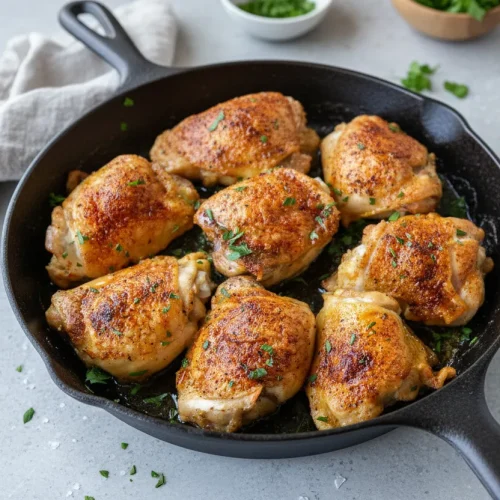
Optimized 5-Ingredient Chicken Thigh
Equipment
- Oven
- Paper towels
- Oven safe pan
- Meat Thermometer
Ingredients
Core Ingredients
- 3 lbs chicken thighs bone in, skin on
- 1 tbsp garlic parsley salt
- 1 tsp paprika
- 1 tsp ground black pepper
- 1 tbsp fresh parsley garnish
Instructions
Baking Protocol
- Preheat the oven to 400°F. Pat dry the chicken thighs thoroughly with a paper towel.
- Season the chicken evenly with garlic parsley salt, pepper, and paprika. Add the seasoned chicken thighs to an oven safe pan with the skin side facing up.
- Bake uncovered in the preheated oven for about 25 minutes or until the internal temperature reaches 165°F.
- Toward the end of cooking (around 155°F internal temperature), carefully drain the rendered juice and fat from the pan to prevent steaming and maximize crispness.
- Garnish with fresh parsley and serve immediately.