The first time I attempted to incorporate fermentation leftovers into a dessert, the result was a catastrophic failure that looked more like a dense chocolate brick than a brownie. I had simply swapped out a portion of the flour and liquid in a standard recipe, assuming the chemistry would remain balanced, but the outcome was an oily, crumbly mess that lacked any structural integrity. That afternoon in my kitchen was a turning point for me as someone who views cooking through the lens of engineering. I realized that baking with a living, acidic component like sourdough starter requires a complete re-evaluation of the recipe as a functional system.
I spent several weeks deconstructing the mechanics of what makes a brownie successful, specifically focusing on the intersection of fat, sugar, and protein. This specific project, which I call The Engineer’s Guide to Sourdough Brownies: Mastering the Mix for Ultimate Fudgy Texture and Tang, became an obsession. I needed to solve the problem of how to keep a brownie fudgy and moist while introducing the moisture and acidity of the discard. The total process requires precise timing, with a prep time of 25 minutes and a cook time of 35 minutes, leading to a total time of 60 minutes from start to finish.
The goal was to create a blueprint that anyone could follow to achieve repeatable success. Most recipes fail because they rely on vague descriptions of texture, but my approach focuses on the specific interactions between ingredients. By the end of my testing phase, I had discovered that the secret was not just in the ingredients themselves, but in the specific sequence and duration of the mixing process. This article is the result of those trials, offering a documented system for a result that balances deep chocolate intensity with a sophisticated, bright finish, for another great dessert, try my Amazing Lemon Tart: Silky, Smooth, & Simple!.
Table of Content
The Engineer’s Guide to Sourdough Brownies: Mastering the Mix for Ultimate Fudgy Texture and Tang
When we talk about sourdough discard brownies, we are looking for a very specific intersection of flavors and textures. The addition of the discard is not just a way to reduce waste; it is a strategic move to introduce a level of complexity that traditional recipes often lack. The lactic acid present in the starter provides a subtle, sophisticated tang that cuts through the heavy richness of the chocolate chips and butter, creating a more balanced profile. However, this acidity also affects the way the gluten in the flour behaves, which is why the process must be controlled with extreme precision.
In my testing, I found that the primary challenge was preventing the brownies from becoming cakey or bread-like. Sourdough discard naturally contains flour and water, which means we are essentially adding more hydration to the system. To compensate for this and ensure a fudgy, dense crumb, I had to optimize the ratio of fats and sugars while reducing the mechanical agitation once the flour is introduced. This ensures the structural proteins do not form a tough network that would ruin the melt-in-the-mouth quality we expect from a premium dessert.
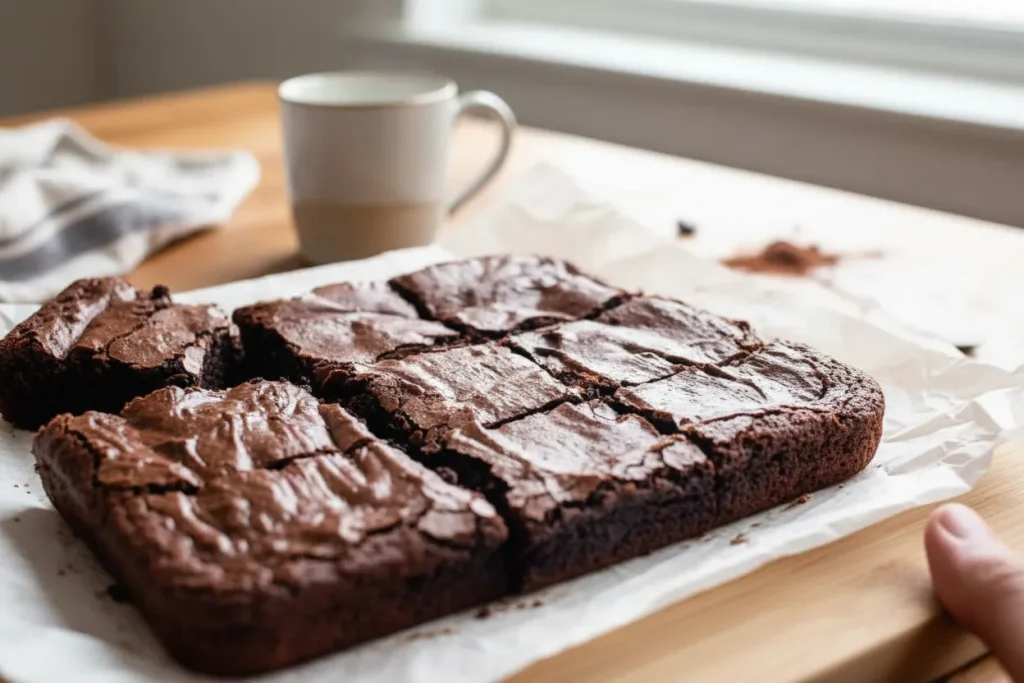
The result is a brownie that defies the standard expectations of what a sourdough dessert can be. You get a shimmering, paper-thin top crust that crackles when you cut into it, followed by a center that is intensely dark and moist. It is a dish designed for those who appreciate the nuances of dark chocolate and the science of a perfectly executed bake. Every step in this method has been calculated to eliminate the common failure points of density and dryness, providing a reliable path to excellence.
Ingredients: Precision Measurements for Perfect Sourdough Brownies
Success in baking begins with the accuracy of the inputs, and for this recipe, the quality and state of the ingredients are paramount. I tested this recipe first with standard discard that had been sitting in my refrigerator for four days and then with a very fresh, active discard that was only one day old. While both versions produced edible results, the four-day-old discard provided the noticeable, subtle tang that elevates these beyond a regular brownie. That is why I specifically call for discard in this system, as the increased acidity of older starter interacts better with the sugars to create that signature flavor profile.
The choice of cocoa also plays a significant role in the final visual and taste output. Using a variety that has been treated with alkali results in a much darker, almost midnight-black color and a smoother, less acidic chocolate flavor. This helps balance the brightness coming from the sourdough component. Below are the precise ingredients required for this system.
- 8 tablespoons unsalted butter
- 12 oz. semi sweet chocolate chips
- 1/2 cup dutched cocoa powder (or regular cocoa powder)
- 2 teaspoons vanilla extract
- 2 large eggs
- 1 egg yolk
- 1 cup granulated sugar
- 1/2 cup dark brown sugar
- 1/2 cup sourdough starter discard
- 1 cup all-purpose flour
- 1 teaspoon salt
Pro tip: When measuring your sourdough discard, do not stir it down first; instead, spoon it directly into your measuring cup to maintain the natural aeration of the fermented mixture.
The Precision Mix: Why We Stop Mixing Before Adding the Sourdough Discard
One of the most common errors I see in amateur baking is the continuous use of an electric mixer from start to finish. In this specific system, the mixing is divided into two distinct phases: high-energy aeration and low-energy integration. The first phase involves beating the eggs and sugars together for a full seven to ten minutes. This is not an arbitrary number; this duration is required to fully dissolve the sugar crystals and create a stable foam structure with the egg proteins.
This aeration is what creates the coveted shiny, crackly top on the brownies. If you under-mix at this stage, the sugars will not migrate to the surface during baking, and the texture will be dull and heavy. You are essentially creating a temporary meringue within the batter. I observed during my trials that skipping this step resulted in a brownie that was greasy on top rather than crisp. Once this foam is established, the system becomes very fragile, and your approach must shift from aggressive beating to gentle folding.
The second phase begins the moment the sourdough discard and the chocolate mixture enter the bowl. At this point, you must switch to a low speed or a manual spatula. The introduction of the flour and the sourdough means that gluten development is now a risk. If you continue to use the electric mixer at high speed, you will develop the gluten proteins, turning your fudgy dessert into a tough, rubbery cake. By stopping the mechanical mixer and finishing with a spatula, you ensure that the ingredients are just combined, preserving the delicate balance of the crumb.
Pro tip: Watch the batter as you beat the eggs and sugar; it should transition from a dark yellow to a pale, thick cream color that falls off the whisk in a slow, continuous ribbon.
| Mixing Stage | Method | Purpose | Result of Error |
|---|---|---|---|
| Sugar and Eggs | High-speed electric mixer (7-10 mins) | Dissolve sugar and create air suspension | Dull, greasy top and heavy texture |
| Chocolate and Discard | Low-speed or manual | Even distribution without losing air | Loss of volume and uneven flavor |
| Flour and Salt | Hand folding with spatula | Prevent gluten development | Tough, bread-like crumb |
Instructions: Executing the Foolproof Sourdough Brownie Method
Executing this recipe requires careful attention to the temperature of your components and the timing of your mixing stages. Follow these steps exactly to ensure the chemical reactions occur in the correct sequence.
- Preheat oven to 350°F (176°C) and line a 9″ x 9″ baking dish with parchment paper.
- Melt the butter in a small saucepan over low heat. Add the chocolate chips, vanilla extract and dutched cocoa powder. Stir the ingredients until the chocolate chips have melted and the mixture is smooth. Remove the saucepan from the burner and set it aside to cool down.
- In a large mixing bowl, beat the eggs, brown sugar and granulated sugar with an electric mixer for 7-10 minutes. Add the sourdough discard and chocolate mixture to the bowl beat on low until combined. Add the flour and salt and stir with a spatula until just combined. (The batter will be very thick.)
- Pour the batter into the baking dish and smooth the top. Bake for 35-40 minutes.
- Allow the brownies to cool completely in the pan after they come out of the oven. Remove the brownies from the pan by lifting them with the parchment paper and cut into squares.
Pro tip: Use the overhang of the parchment paper as handles to lift the entire block of brownies out of the pan once they are cold, ensuring perfectly clean edges on every square.
The Yolk Factor: Introducing the Hidden Ingredient for Next-Level Richness
During the optimization of this recipe, I conducted a side-by-side test comparing a standard two-egg base against a version that included one additional egg yolk. The difference was immediate and significant. The version with only two whole eggs felt somewhat lean and lacked the structural “chew” that defines a world-class brownie. By adding a single extra yolk, I introduced more lecithin and fat into the system without the extra water content found in egg whites.
Lecithin acts as a powerful emulsifier, helping to bind the fats from the butter and chocolate with the liquids from the eggs and sourdough discard. This creates a much more cohesive batter that bakes into a uniform, velvety texture. Without that extra yolk, the brownies are more prone to “weeping” oil or developing a crumbly texture that falls apart when handled. The yolk also contributes to a deeper golden color in the batter and a richer mouthfeel that lingers after each bite.
This is a classic example of how a small adjustment in the chemical composition of a recipe can lead to a vastly superior outcome. Many recipes avoid the extra yolk because it seems like an unnecessary complication, but in my laboratory tests, it was the specific variable that eliminated the “cakey” problem. It ensures the brownies remain dense and moist, even after they have cooled completely. This richness is the perfect counterpoint to the acidic notes of the sourdough, creating a full-spectrum flavor experience.
Common Mistake: Using cold eggs directly from the refrigerator can cause the melted chocolate and butter to seize up, resulting in a grainy batter. Always ensure your eggs and egg yolk are at room temperature before you begin the mixing process.
Addressing Texture, Tang, and Nutrition: Your Sourdough Brownie Q&A
Textural and Flavor Impact: How Do Sourdough Brownies Taste?
The flavor profile of this recipe is much more complex than a standard brownie because it utilizes the fermentation notes of the discard. You will notice a deep, earthy chocolate flavor initially, followed by a bright, clean finish that prevents the sweetness from becoming cloying. The texture is the primary focus of my engineering approach; it is exceptionally fudgy and dense, with a structural integrity that makes them feel substantial. They are not light or airy like a chocolate cake, but rather heavy and rich, similar to a chocolate truffle in brownie form.
Sourdough Discard vs. Active Starter: Which Is Required?
This system is specifically optimized for discard, which is the unfed portion of your starter. Active, bubbly starter contains too much leavening power and carbon dioxide, which can cause the brownies to rise too much in the oven and then collapse, leading to an uneven surface. Discard is more acidic and stable, providing the flavor we want without the unpredictable vertical lift of an active culture. My testing confirmed that discard produces a more consistent, predictable crumb every single time.
Health Profile: Are Sourdough Brownies Healthier?
While the primary goal of this recipe is to achieve superior texture and flavor, there are minor benefits to using sourdough discard. The fermentation process breaks down some of the proteins in the flour, which can make the final product slightly easier to digest for some individuals. However, it is important to remember that these are still a decadent dessert containing significant amounts of sugar and fat. The sourdough is used here as a culinary tool for flavor and texture optimization rather than as a health supplement.
Vegan and Egg-Free Brownie Variations
If you are looking to adapt this recipe for a vegan diet, you will encounter structural challenges because the eggs are critical for the aeration and binding of the system. You can attempt to use a commercial egg replacer or a flaxseed meal mixture, but the results will be significantly less stable. The brownies will likely be much softer and may require refrigeration to hold their shape. In my experience, the lack of egg proteins makes it nearly impossible to achieve the crackly top crust that is a hallmark of this specific blueprint.
Pro tip: If your sourdough discard is very liquid, you may need to add an extra tablespoon of flour to the batter to maintain the correct viscosity for a fudgy result.
Yield, Storage, and Flavor Optimization: Mandatory Practical Details
This recipe is designed to yield 16 standard squares when baked in a 9″ x 9″ dish. The density of the brownies means that a smaller portion is often more than enough to satisfy a chocolate craving. I have found through my storage tests that these brownies actually improve in flavor after 24 hours. As they sit, the moisture redistributes throughout the block, and the sourdough tang becomes more integrated with the chocolate.
For storage, keep the brownies in an airtight container at room temperature for up to three days. If you need to keep them longer, they can be refrigerated for up to a week. When cold, the texture becomes even denser, almost like a piece of fudge. If you prefer them soft, a quick five-second pulse in the microwave will restore that fresh-from-the-oven warmth without drying them out.
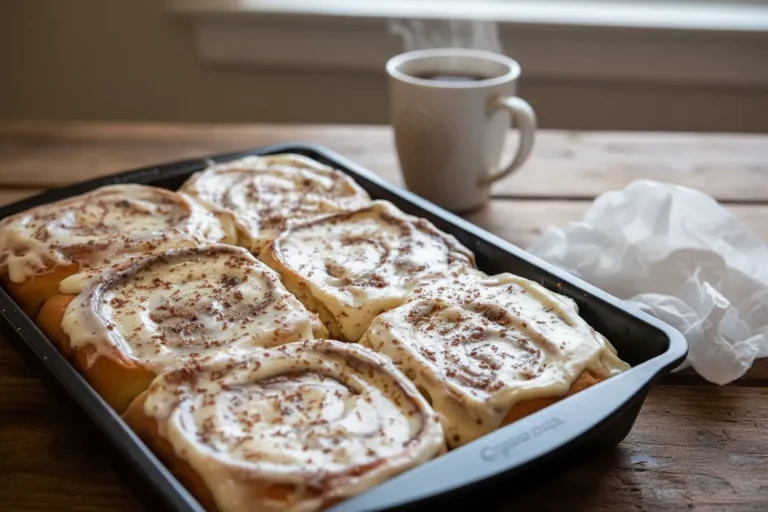
To further optimize the flavor profile, I recommend an optional but highly effective addition: espresso powder. Adding just a teaspoon of high-quality espresso powder to the dry ingredients does not make the brownies taste like coffee; instead, it acts as a flavor enhancer for the chocolate. It deepens the cocoa notes and provides a more robust, rounded taste that complements the sourdough beautifully. This is a common trick used in professional kitchens to give chocolate desserts more “bottom” and complexity. If you are looking for a reliable recipe for a similar baked good, check out my blueprint for Ultimate Sourdough Cinnamon Rolls: Proven.
Pro tip: For the cleanest possible cuts, wipe your knife with a warm, damp cloth between every single slice to prevent the fudgy center from sticking to the blade.
Substitutions and Variations: Customizing Your Sourdough Discard Brownies
When modifying a precision-engineered recipe, it is helpful to understand which substitutions will maintain the integrity of the system and which will alter it. Use the table below as a guide for your experiments.
| Category | Notes/Substitutions |
|---|---|
| Sugar Types | You can use all granulated sugar, but the brownies will be less chewy and lose the caramel notes from the brown sugar. |
| Cocoa Type | Regular unsweetened cocoa powder works well but will result in a lighter color and a slightly sharper, more acidic flavor. |
| Texture Additions | Fold in 1/2 cup of toasted walnuts or pecans during the final mixing stage for a textural contrast. |
| Salt Topping | A light sprinkle of flaky sea salt on top immediately after baking enhances the chocolate and balances the sugar. |
| Vegan Eggs | Commercial replacers are preferred over fruit purees to avoid adding too much moisture to an already hydrated batter. |
| Butter | Salted butter can be used, but you should reduce the added salt in the recipe to 1/2 teaspoon to compensate. |
Conclusion: Achieving Brownie Perfection Through Process Control
The journey to creating the perfect sourdough discard brownies is a testament to the power of process control in the kitchen. By treating each ingredient as a functional component and each step as a critical operation, we have eliminated the guesswork that often leads to inconsistent baking results. The success of this recipe hinges entirely on respecting the multi-stage mixing process; specifically, the transition from high-intensity aeration to gentle manual folding. This is the difference between a mediocre dessert and a masterpiece of home engineering.
I have found that the most rewarding part of this approach is the reliability it provides. Once you understand the “why” behind the long beating of the eggs or the importance of using room-temperature ingredients, you gain a level of confidence that allows you to bake with precision every time. These brownies are more than just a treat; they are a demonstration of how thoughtful technique can transform simple pantry staples into something extraordinary.
I encourage you to follow this blueprint exactly for your first attempt to experience the intended texture and flavor balance. Did you notice the difference in tang compared to a standard recipe? Did the egg yolk provide the richness you were looking for? I would love to hear about your results in the comments below. Sharing your observations helps our community of home engineers continue to refine and optimize these systems for everyone. Happy baking, and I look forward to hearing about your success in the kitchen.
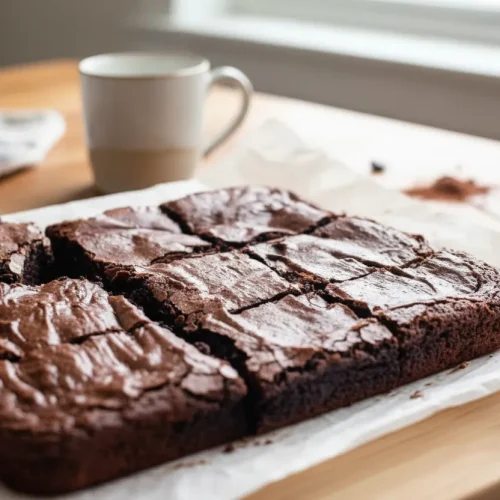
Sourdough Brownies Recipe
Equipment
- 9″ x 9″ baking dish
- Parchment paper
- small saucepan
- Large mixing bowl
- Electric mixer
- Manual spatula
Ingredients
Core Ingredients
- 8 tablespoons unsalted butter
- 12 oz. semi sweet chocolate chips
- 1/2 cup dutched cocoa powder (or regular cocoa powder)
- 2 teaspoons vanilla extract
- 2 large eggs Ensure they are room temperature
- 1 egg yolk Room temperature
- 1 cup granulated sugar
- 1/2 cup dark brown sugar
- 1/2 cup sourdough starter discard Do not stir down; spoon directly into cup. Four-day-old discard is preferred for tang.
- 1 cup all-purpose flour
- 1 teaspoon salt
Instructions
Preparation and Melting
- Preheat oven to 350°F (176°C) and line a 9″ x 9″ baking dish with parchment paper, leaving an overhang for easy removal.
- Melt the butter in a small saucepan over low heat. Add the chocolate chips, vanilla extract, and dutched cocoa powder. Stir the ingredients until the chocolate chips have melted and the mixture is smooth. Remove the saucepan from the burner and set it aside to cool down slightly.
Precision Mixing Stages
- In a large mixing bowl, beat the eggs, brown sugar, and granulated sugar with an electric mixer for 7-10 minutes until the mixture is pale, thick, and falls off the whisk in a slow ribbon (creating the air suspension).
- Add the sourdough discard and the cooled chocolate mixture to the egg/sugar foam. Beat on low speed only until just combined.
- Add the flour and salt. Switch to a manual spatula and gently fold the dry ingredients into the batter until they are just combined. Stop mixing immediately to prevent gluten development.
Baking and Cooling
- Pour the thick batter into the prepared baking dish and smooth the top surface.
- Bake for 35-40 minutes.
- Allow the brownies to cool completely in the pan after they come out of the oven. This is crucial for achieving the fudgy texture.
- Remove the brownies from the pan by lifting them with the parchment paper overhang and cut into 16 squares. Wipe your knife with a warm, damp cloth between every slice for the cleanest cuts.