
The first time I attempted to integrate my sourdough starter into a holiday cookie, it resulted in a structural failure that would haunt any engineer. I expected a tangy, complex ginger snap, but instead, I pulled a baking sheet from the oven covered in a singular, fused puddle of brown sugar and ginger. The edges were burnt to a bitter charcoal, while the center remained a raw, gooey mess that lacked any integrity. My mistake was treating the sourdough starter as a primary leavening agent rather than a textural and flavor component. I had ignored the variables of moisture content and acidity, leading to a dough that spread uncontrollably under thermal stress.
That failure launched a rigorous testing phase in my kitchen to develop the definitive guide to sourdough gingerbread cookies. I spent weeks deconstructing the chemistry of gingerbread, looking for the precise intersection of flavor complexity and shape retention. The goal was simple: a cookie that holds the fine detail of a copper cutter but remains soft enough to yield under a gentle bite. This recipe represents the optimized solution to that challenge. With a preparation time of 65 minutes, which includes the critical chilling phase, and a baking window of about 10 minutes, you can achieve professional results in a total time of 75 minutes.
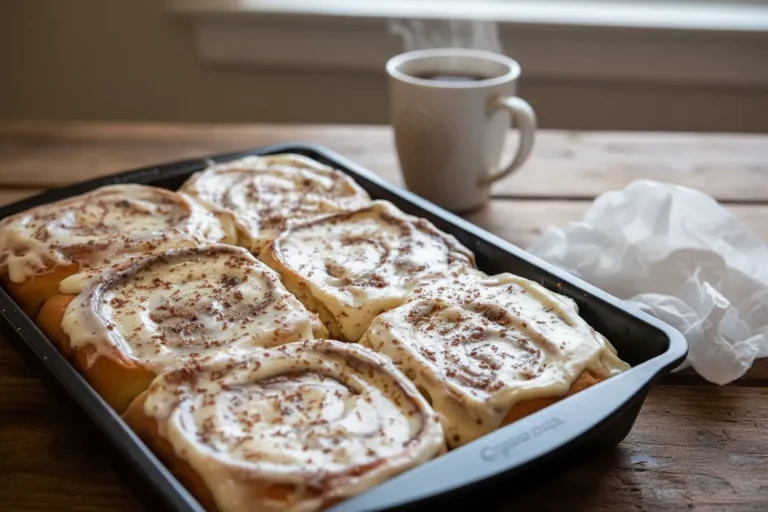
My approach removes the guesswork that often plagues sourdough baking. By treating the starter as a tool for moisture and depth rather than just a lift mechanism, I have engineered a dough that is predictable and consistent. You will notice the difference the moment you handle the dough; it feels substantial and cool, with a fragrance that is significantly more nuanced than standard recipes. We are going to look at the specific mechanics of why this system works, ensuring your holiday baking is a triumph of culinary engineering, much like the process detailed in my ultimate sourdough cinnamon rolls blueprint.
Table of Content
The Sourdough Calculus: Why Inactive Discard Works Best (And Why We Still Use Baking Powder)
When I analyzed the molecular structure of traditional gingerbread, I realized that the biggest risk factor is the unpredictable nature of wild yeast. In a cut-out cookie, we are optimizing for shape retention. If the dough expands too aggressively or unevenly, the crisp edges of your stars or gingerbread men will blur into rounded, unrecognizable shapes. This is why I specifically utilize inactive sourdough discard for these cookies. The discard provides a deep, fermented tang and incredible moisture without the volatile gas production of a fed, active starter.
The chemistry of this recipe relies on a dual-purpose strategy. The sourdough discard introduces lactic acid, which tenderizes the gluten and creates a sophisticated flavor profile that balances the sharp heat of the ginger. However, the structural heavy lifting is done by baking powder. This provides a controlled, chemical leavening that ensures the cookies rise vertically rather than spreading horizontally. Through my testing, I discovered that relying on the starter alone created a density that was unappealing, while skipping the starter entirely resulted in a cookie that lacked the characteristic chew of a high-quality gingerbread.
Another critical factor in this sourdough calculus is the relationship between molasses, brown sugar, and moisture. Both molasses and brown sugar are hygroscopic, meaning they attract and hold onto water molecules. This is what keeps the centers soft for days after baking. When combined with the hydration from the sourdough starter, you create a dough that is highly resistant to drying out in the oven. The result is a cookie that feels sturdy in your hand but melts away the moment you taste it, a sensory contrast that is the hallmark of expert baking.
I also investigated the role of temperature in this system. The acidity in the sourdough starter reacts differently at various temperatures, which is why the chilling phase is not optional. By cooling the dough, we allow the fats to solidify and the flour to fully hydrate, creating a more stable matrix. This stability is what prevents the molasses from becoming too fluid too quickly when the heat of the oven hits the baking sheet. It is a calculated move to ensure the final output matches the initial design.
The Optimized Blueprint: Ingredients for Perfect Sourdough Gingerbread Cookies
To achieve repeatable success, you must start with the correct inputs. I have tested various spice ratios to find the perfect balance that allows the sourdough notes to shine through without being overwhelmed by the heat of the cloves or the bite of the ginger. The following list is the exact configuration used in my successful test batches.
- 2 1/2 cups All Purpose Flour
- 2 tsp Cinnamon
- 2 tsp Ground Ginger
- 1 tsp Baking Powder
- 1/2 tsp Salt
- 1/4 tsp Cloves
- 1/4 tsp Nutmeg
- 1 cup Unsalted Butter
- 3/4 cup Brown Sugar
- 1 Egg
- 1/3 cup Molasses
- 1/2 cup Sourdough Starter (Inactive)
I specifically tested the dough consistency at the critical juncture of adding the dry ingredients to the wet. If you over-mix at this stage, the gluten structure locks up, leading to hard cookies that lack the desired tenderness. My testing confirms that 1 minute on low speed is the absolute maximum before the flour fully incorporates; any longer, and the resulting cut-outs snap instead of bend when testing for the ready-to-cut state. You want to see the dough just beginning to pull away from the sides of the bowl, looking smooth but still feeling slightly tacky to the touch.
Pro tip: Use a kitchen scale if possible to ensure your sourdough starter is exactly 1/2 cup, as the density of discard can vary significantly depending on how long it has been sitting in your refrigerator.
The visual cues during the mixing process are vital. When you cream the butter and brown sugar, you are looking for a transformation from a grainy, dark paste to a pale, aerated foam. This takes exactly two minutes on medium speed. The air pockets you create during this step act as tiny expansion chambers for the baking powder later, contributing to that perfect soft texture. When you add the molasses and sourdough, the mixture will look broken or curdled for a moment, but keep the mixer running; it will emulsify into a glossy, mahogany-colored base that smells intensely of caramel and fermentation.
Systematic Instructions: Baking Your Superior Sourdough Cut-Outs
The following steps are designed to eliminate variables and ensure your kitchen operates with the efficiency of a well-oiled machine. Follow these instructions precisely to achieve the optimized results I have documented in my trials.
- In a medium bowl, add the flour, cinnamon, ground ginger, baking powder, salt, cloves, and nutmeg. Mix all the ingredients to combine, set that aside.
- In the bowl of a stand mixer, add the butter and brown sugar. Beat on medium speed for 2 minutes until the mixture is light and fluffy.
- Add the egg, molasses, and sourdough discard. Mix again for 1 minute.
- Carefully add the dry ingredients to the wet ingredients in the stand mixer. Mix for 1 minute on low speed until the dough comes together into a ball. [Expert Note: This short mixing time prevents over-developing gluten, which is critical for a soft texture.]
- Wrap the dough ball in plastic wrap and make the dough ball into a disc. Place the cookie dough in the refrigerator for at least an hour, or up to overnight. [Expert Note: Chilling ensures the fat re-solidifies, which is the key to minimal spreading during baking.]
- When you are ready to bake the cookies, preheat the oven to 350 degrees.
- Lightly flour your countertop and place the dough on the flour lined counter. Flour a rolling pin and roll the dough out so the thickness of the dough is about ¼ inch thick.
- With your favorite cookie cutters, cut the dough, and place the cut outs onto a parchment lined baking sheet. Bake for 8-12 minutes depending on the thickness of your cookies.
- When they are baked, allow them to cool to room temperature on a wire cooling rack and then decorate with royal icing.
The aromatic profile during step eight is one of the most rewarding parts of the process. You will notice a shift from the raw scent of flour and cold spice to a deep, toasted bouquet that fills the room. When the cookies are done, the edges should feel set to a gentle touch, but the centers will still have a slight give. This indicates that the internal moisture has been preserved.
Pro tip: If your kitchen is particularly warm, work with only half of the dough at a time while keeping the other half in the refrigerator to maintain the ideal temperature for cutting.
Allowing the cookies to cool completely on a wire rack is a non-negotiable step. As they cool, the sugars set and the structure firms up. If you attempt to move them while they are still hot, you risk deforming the shapes you worked so hard to cut. The sound of the cookies as they are moved to the rack should be a soft, muted thud; a sharp clink indicates they may have been over-baked and will be quite crunchy.
Perfecting the Roll: Achieving ¼-Inch Precision for Snapped Edges and Soft Centers
In my engineering career, precision was the difference between a functional system and a failure. The same logic applies to rolling out your cookie dough. Achieving a consistent 1/4 inch thickness is the critical path to balancing structural integrity with a soft center. If the dough is too thin, the heat penetrates the center too quickly, resulting in a brittle ginger snap. If it is too thick, the edges may remain doughy while the bottom burns.
During my testing, I compared different thicknesses to see how they impacted the final product. I found that 1/4 inch provides the perfect amount of surface area for the sourdough discard to do its work, allowing the outside to crisp slightly while the interior stays humid and tender. You can use rolling pin rings or even two 1/4 inch thick wooden dowels on either side of your dough to ensure a perfectly level surface. This level of precision ensures that every cookie on your tray bakes at the exactly same rate, preventing the common problem of some cookies being burnt while others are underdone.
| Dough Thickness | Bake Time | Final Texture Result |
|---|---|---|
| 1/8 inch | 6-8 minutes | Crisp edges, very thin, snaps easily when broken. |
| 1/4 inch | 8-12 minutes | Perfect balance; soft center with defined, sturdy edges. |
| 3/8 inch | 12-15 minutes | Chewier, much softer center, may lose some fine detail. |
When you roll the dough, you should feel a cool, pliable resistance. If the dough feels sticky, you likely need a touch more flour on your surface, but be careful not to incorporate too much, as this will dry out the final product. The goal is to have the rolling pin glide over the surface like a precision tool. When you use your cutters, press straight down and lift straight up. Avoid twisting the cutter, as this can distort the edges and cause uneven rising in the oven.
Pro tip: For the cleanest edges, dip your cookie cutter in a small bowl of flour before every single cut to prevent the dough from clinging to the metal or plastic.
Troubleshooting Texture: From Chewy Center to House-Ready Structure
A common question I receive is whether this specific recipe is suitable for constructing gingerbread houses. The answer depends entirely on your execution of the rolling and baking phases. While this blueprint is optimized for a soft, delicious eating experience, it can be adapted for structural use. To create a sturdier cookie capable of supporting the load of a gingerbread house roof, you simply need to adjust your variables toward the thinner and drier side of the spectrum.
If you are building a house, roll the dough to 1/8 inch instead of the standard 1/4 inch. Increase your bake time toward the upper end of the scale, around 10 to 12 minutes for the thinner dough, until the edges are a deep, dark brown and the center feels completely firm to the touch. This removes more moisture, creating a rigid, kiln-dried effect that provides the necessary strength for architecture. For eating cookies, however, you want to pull them when the center still looks a bit dull and under-set, as they will carry over heat and finish firming up on the pan.
If you find your cookies are coming out too hard, the most likely culprit is either over-mixing the dough or over-baking. Remember that cookies continue to cook for several minutes after they are removed from the oven. If they look “done” while still in the oven, they will likely be “overdone” by the time they cool. Another point of failure is the temperature of the butter. If the butter was too warm when you started, the air pockets will collapse, leading to a dense, hard texture rather than a light, soft one.
Pro tip: If your cookies have become too hard after storage, place a slice of plain white bread in the container with them for a few hours; the cookies will absorb the moisture from the bread and soften significantly.
Addressing User Variables: Substitutions and Seasonal Adaptations
I understand that not every pantry is stocked with the same inventory. One of the most frequent inquiries is about substitutes for molasses. While molasses provides the iconic deep flavor and moisture profile for these cookies, you can use dark corn syrup or a mixture of brown sugar and honey in a pinch. However, be aware that honey will significantly change the flavor profile and may cause the cookies to brown faster due to its higher sugar concentration. The sourdough tang will still be present, but the overall experience will be lighter and less traditional.
For those looking to add a seasonal variation to this optimized blueprint, I have had great success with two specific additions. Adding the finely grated zest of one large orange to the butter and sugar mixture creates a bright, citrusy top note that cuts through the heavy spices. Alternatively, adding a teaspoon of ground cardamom provides a sophisticated, floral complexity that pairs beautifully with the sourdough discard. These small adjustments do not alter the chemistry of the dough, so you can experiment with confidence.
This recipe yields approximately 3 to 4 dozen standard cookies, though this will vary based on the size and complexity of your cutters. Proper storage is essential for maintaining the engineered texture. Place cooled, decorated cookies in an airtight container at room temperature for up to one week. If you want to prepare ahead of time, these cookies freeze beautifully undecorated. I recommend freezing them in a single layer on a parchment-lined sheet before transferring them to a freezer bag; they will stay fresh for up to three months.
Pro tip: To freeze the raw dough, wrap the disc tightly in a double layer of plastic wrap and then a layer of foil; thaw it in the refrigerator for 24 hours before rolling.
Frequently Asked Questions
How to make the recipe using sourdough discard specifically?
Using sourdough discard is a matter of managing hydration and acidity. In this recipe, we use 1/2 cup of inactive discard directly from the refrigerator. You do not need to feed it or wait for it to bubble. The discard acts as a liquid ingredient that also provides flavor and tenderizing acids. Ensure you mix it thoroughly with the egg and molasses to create a uniform emulsion before adding your dry ingredients.
Can this recipe be made without molasses, and if so, what is the substitute?
If you find yourself without molasses, the best substitute is an equal amount of dark corn syrup, which mimics the viscosity and moisture content. You can also use a very dark honey or maple syrup, though these will result in a softer, spread-prone cookie. If you use honey, I recommend reducing the oven temperature by 15 degrees to prevent the edges from burning before the center is set.
What is the technique for achieving soft cookies, as opposed to hard ones?
The secret to softness lies in three specific areas: not over-mixing the flour, maintaining a 1/4 inch thickness, and pulling the cookies from the oven the moment the edges are set. Over-mixing develops gluten, which creates a bread-like or tough texture. Rolling too thin allows the oven to dry out the center. By pulling the cookies while they still look slightly soft, you preserve the internal moisture that defines a premium gingerbread cookie.
Conclusion: Baking with Certainty
Baking is often viewed as a mysterious art, but I believe it is a science that rewards precision and understanding. By applying a systematic approach to these sourdough gingerbread cookies, we have solved the common problems of spreading, dull flavors, and inconsistent textures. The balance of the inactive sourdough discard, the controlled leavening of the baking powder, and the thermal management of the chilling phase work together to create a superior holiday treat.
This recipe removes the guesswork and provides you with a blueprint for success. You now understand the “why” behind every step, from the creaming of the butter to the exact thickness of the roll. This knowledge empowers you to bake with confidence, knowing that your results will be repeatable and delicious every time you step into the kitchen. The complexity provided by the sourdough makes these cookies a standout addition to any holiday spread, offering a depth of flavor that standard recipes simply cannot match.
I encourage you to take this optimized system into your own kitchen. Whether you are aiming for perfectly soft centers or building a sturdy holiday structure, the foundations laid out here will serve you well. Once you have tasted the difference that a sourdough base makes, it is hard to go back to any other method. Please share your decorating results and leave feedback in the comments regarding your texture tests; I am always interested in how these cookies perform in different home environments. Happy baking, and enjoy the certainty of a recipe well-engineered.

Sourdough Gingerbread Cookies
Equipment
- medium bowl
- Stand Mixer
- Plastic wrap
- Parchment lined baking sheet
- Rolling Pin
- Cookie cutters
- Wire cooling rack
Ingredients
The Optimized Blueprint: Ingredients
- 2 1/2 cups All Purpose Flour
- 2 tsp Cinnamon
- 2 tsp Ground Ginger
- 1 tsp Baking Powder
- 1/2 tsp Salt
- 1/4 tsp Cloves
- 1/4 tsp Nutmeg
- 1 cup Unsalted Butter
- 3/4 cup Brown Sugar
- 1 Egg
- 1/3 cup Molasses
- 1/2 cup Sourdough Starter Inactive
Instructions
Systematic Instructions: Baking Your Superior Sourdough Cut-Outs
- In a medium bowl, add the flour, cinnamon, ground ginger, baking powder, salt, cloves, and nutmeg. Mix all the ingredients to combine, set that aside.
- In the bowl of a stand mixer, add the butter and brown sugar. Beat on medium speed for 2 minutes until the mixture is light and fluffy.
- Add the egg, molasses, and sourdough discard. Mix again for 1 minute.
- Carefully add the dry ingredients to the wet ingredients in the stand mixer. Mix for 1 minute on low speed until the dough comes together into a ball. [Expert Note: This short mixing time prevents over-developing gluten, which is critical for a soft texture.]
- Wrap the dough ball in plastic wrap and make the dough ball into a disc. Place the cookie dough in the refrigerator for at least an hour, or up to overnight. [Expert Note: Chilling ensures the fat re-solidifies, which is the key to minimal spreading during baking.]
- When you are ready to bake the cookies, preheat the oven to 350 degrees.
- Lightly flour your countertop and place the dough on the flour lined counter. Flour a rolling pin and roll the dough out so the thickness of the dough is about ¼ inch thick.
- With your favorite cookie cutters, cut the dough, and place the cut outs onto a parchment lined baking sheet. Bake for 8-12 minutes depending on the thickness of your cookies.
- When they are baked, allow them to cool to room temperature on a wire cooling rack and then decorate with royal icing.