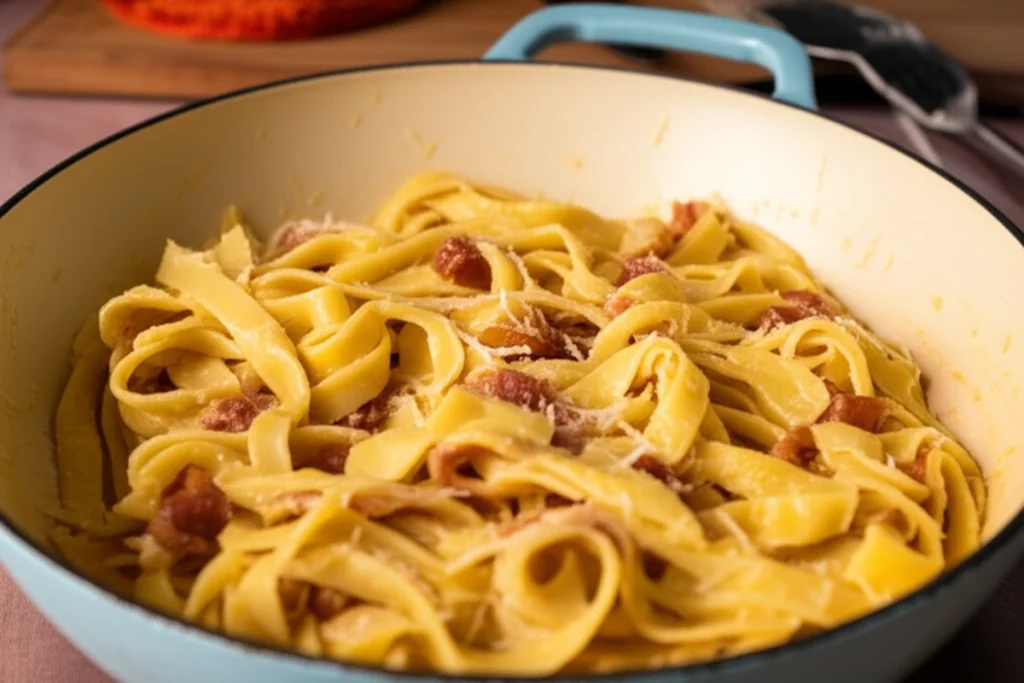
Fettuccine carbonara. For years, I thought it was one of those restaurant dishes best left to the professionals. I assumed it was too finicky, too easy to mess up. But after some experimenting, I realized the truth: a truly excellent fettuccine carbonara is surprisingly simple to make at home.
The secret? Precision and quality ingredients. And in my version, a delicious twist: smoked beef bacon. The smoky flavor infuses every bite, elevating this classic dish to new heights. Forget what you think you know about carbonara; my recipe is foolproof, ready in just 15 minutes (2 minutes prep, 13 minutes cook time), and guaranteed to impress.
Table of Content
Smoked Beef Bacon Carbonara: A Modern Twist
I’m always looking for ways to improve classic recipes, and my smoked beef bacon carbonara is no exception. The decision to use smoked beef bacon wasn’t arbitrary; it came after extensive testing to achieve a specific flavor profile I wanted.
Smoked beef bacon brings a depth and complexity that I find elevates the entire dish. The smokiness intermingles with the rich egg yolks and sharp Parmesan, creating a symphony of flavors that’s both comforting and exciting. It’s a far cry from a one-dimensional creamy sauce.
I experimented with different bacons, even tried a leaner cut once. That was a disaster, the rendered fat was thin, and the flavor was almost nonexistent; it didn’t provide the richness needed to emulsify the sauce properly. The fattiness in smoked beef bacon renders beautifully, creating the perfect base for the carbonara, and the smoke compounds react with the proteins in the eggs and cheese, creating an even more complex flavor profile. While I know that guanciale and pancetta are often used, I find that smoked beef bacon delivers a unique twist that sets this carbonara apart.
Chicken and Mushroom Carbonara Variations (and why they work!)
Now, while I’m a big fan of my smoked beef bacon fettuccine carbonara, I also understand the desire to experiment with variations. Two popular additions I often get asked about are chicken and mushrooms, and I’ve spent plenty of time in the kitchen figuring out how to make them work without compromising the integrity of the dish.
Adding chicken introduces a lighter element to the otherwise rich fettuccine carbonara. I recommend using grilled or pan-seared chicken breast, cut into bite-sized pieces. The key is to season the chicken simply with salt, pepper, and a touch of garlic powder, so it complements rather than overpowers the other flavors. I typically aim for about 1 cup of cooked chicken per serving.
Mushrooms, on the other hand, bring an earthy depth. I find that sautéed cremini or shiitake mushrooms work best. I sauté them in a bit of olive oil with a pinch of thyme until they’re tender and slightly browned, which concentrates their flavor. About a half-cup of cooked mushrooms per serving is usually the perfect amount. You can find a delicious way to incorporate them in this easy mushroom pasta recipe, where they add a delightful, earthy undertone.
If you decide to incorporate both chicken and mushrooms, I suggest slightly adjusting the seasoning to balance the flavors. A pinch of red pepper flakes can add a subtle kick that cuts through the richness, and a squeeze of lemon juice at the end brightens the entire dish. I’ve found that these small tweaks can make a big difference in achieving a harmonious balance of flavors and textures in your fettuccine carbonara.
Ingredients
Now that we’ve covered some delicious variations, let’s get down to the essentials: the ingredients that make my Smoked Beef Bacon Carbonara sing. Here’s exactly what I use, and why each one is important for achieving that perfect balance of flavor and texture:
- 1 box Fettuccine (~500g) (or 1/2 of my homemade pasta dough prepared)
- 2 tbsp Extra-virgin olive oil
- 150 grams smoked beef bacon
- 4 cloves Garlic
- 2 large Eggs
- 1 large Egg yolk
- 1 cup Parmesan
- Freshly ground black pepper, tp taste
- 1/2 cup Pasta water (reserved)
I can’t stress enough how important the quality of the smoked beef bacon is. A good quality smoked beef bacon is absolutely key to achieving the right smoky flavor; it’s worth seeking out a brand you love.
Next up, I’ll walk you through my detailed instructions for creating this dish.
Instructions
With the ingredients prepped, I can move on to the method. Follow these steps closely, and you’ll achieve carbonara perfection. I’ve broken each step down, explaining the “why” behind each action to ensure a repeatable, delicious outcome, every time.
- Put a large pot of water on the on the stove and salt when it comes to a boil. Salting the water is crucial here; it seasons the pasta from the inside out and enhances the overall flavor of the dish. I usually add about a tablespoon of salt per gallon of water.
- Add the spaghetti and cook until al dente, about 10 minutes. “Al dente” means “to the tooth” in Italian, and it refers to pasta that’s firm, not mushy. I always set a timer to ensure I don’t overcook it.
- As soon as the pasta is cooking, heat the oil in a heavy bottomed pan. Using a heavy-bottomed pan helps distribute the heat evenly, preventing hot spots that could burn the garlic later.
- Add the smoked beef bacon and cook until crisped, about 5 minutes. Crisping the smoked beef bacon renders its fat, which will form the base of our delicious sauce. I aim for a deep golden brown color and crispy texture.
- While the smoked beef bacon is cooking, mix the Parmesan and eggs until smooth and set aside. This step is all about efficiency. I want the egg mixture ready to go as soon as the pasta is cooked.
- Grate the garlic cloves into the pan and cook for an additional minute. I prefer grating the garlic because it distributes the flavor more evenly. Cooking it briefly in the rendered smoked beef bacon fat infuses the oil with its pungent aroma.
- As soon as the pasta is cooked, remove a half cup of pasta water and set aside. This pasta water is liquid gold. It’s starchy and will help emulsify the sauce, creating a creamy texture.
- Take the pasta from the pot and add it to the pan with the garlic and smoked beef bacon. Don’t drain the pasta too thoroughly; a little extra water is a good thing here.
- Mix the pasta with the oil and smoked beef bacon for two to three minutes to coat it. This step ensures that every strand of pasta is coated in the flavorful smoked beef bacon fat.
- Take the pan off the heat and add the egg and Parmesan mixture. This is the most crucial step. The residual heat from the pasta will gently cook the eggs without scrambling them. I learned this the hard way. The first few times I made carbonara, I ended up with scrambled eggs instead of a creamy sauce.
- Mix quickly to ensure the pasta is evenly coated. Speed is key here. The faster you mix, the better the sauce will emulsify.
- Add the reserved pasta water and mix until smooth. The pasta water helps to loosen the sauce and create a beautiful, glossy finish. I add it gradually, until I reach the desired consistency. The starch in the water binds with the fats and proteins, creating a luscious, creamy sauce that clings to every strand of pasta.
Follow these steps, and you’ll have a perfect smoked beef bacon carbonara every time. Next, I’ll cover some frequently asked questions.
Frequently Asked Questions
Now that I’ve shared my recipe, I want to address some common questions I often receive about fettuccine carbonara, its traditional preparation, and how it differs from similar sauces. I’ve broken down the answers to help you understand the nuances of this classic dish.
What are the traditional/authentic ingredients in fettuccine carbonara?
Authenticity in carbonara centers around a few core ingredients. Traditionally, this dish features pasta (often spaghetti or fettuccine), eggs, Parmesan cheese, black pepper, and either guanciale or pancetta, which contribute both fat and flavor. I’ve found that the interplay of these simple elements, when executed correctly, creates the rich and satisfying character that defines an authentic carbonara.
What are the key differences between carbonara and Alfredo sauce?
One of the most common confusions I encounter is the difference between carbonara and Alfredo sauce. While both are creamy pasta sauces, their ingredients and methods are quite distinct. Alfredo sauce is a simple emulsion of butter and Parmesan cheese, sometimes with cream added, while carbonara relies on eggs and the rendered fat from cured meat to create its richness. The absence of eggs is the most prominent difference I notice, leading to a lighter yet less complex flavour profile in Alfredo compared to the depth and umami of carbonara. Nutrition facts for one serving of carbonara show that it contains 764 calories, 48% carbs, 37% fat, and 15% protein.
Is cream a traditional ingredient, and if not, what is the proper substitute?
Cream in carbonara is a definite no-no in my book, and in the view of most traditionalists. I’ve found that the creaminess in authentic carbonara comes entirely from the emulsification of the egg yolks, cheese, and pasta water. If you’re struggling to achieve the right consistency without cream, I recommend focusing on technique: ensure the pan is off the heat when you add the egg mixture, and gradually add the reserved pasta water until you reach a smooth, glossy sauce. I’ve learned that patience and a little extra pasta water are the keys to achieving that perfect, cream-free carbonara.
Next, I’ll summarise my recipe and give you a call to action.
Conclusion
So there you have it: my take on a classic, made even better with the smoky goodness of smoked beef bacon. What I love most about this recipe is just how easy it is to throw together, especially considering the incredible depth of flavor you get in the end. It’s a weeknight meal that tastes like a weekend indulgence.
Now, I want to hear from you. Give my Smoked Beef Bacon Carbonara a try, and let me know how it turns out in the comments below. Did you stick to the recipe, or did you experiment with any variations? I’m curious to know what you come up with. Share your photos, tag your friends, and let’s get everyone cooking! Who knows, maybe you’ll discover your own unique twist on this classic dish.
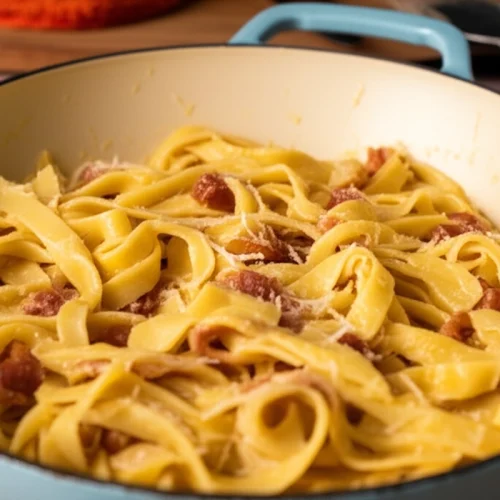
Fettuccine Carbonara with Smoked Beef Bacon
Ingredients
Ingredients
- 1 box Fettuccine (~500g) (or 1/2 of my homemade pasta dough prepared)
- 2 tbsp Extra-virgin olive oil
- 150 grams smoked beef bacon
- 4 cloves Garlic
- 2 large Eggs
- 1 large Egg yolk
- 1 cup Parmesan
- Freshly ground black pepper tp taste
- 1/2 cup Pasta water (reserved)
Instructions
Instructions
- Put a large pot of water on the on the stove and salt when it comes to a boil. Salting the water is crucial here; it seasons the pasta from the inside out and enhances the overall flavor of the dish. I usually add about a tablespoon of salt per gallon of water.
- Add the spaghetti and cook until al dente, about 10 minutes. “Al dente” means “to the tooth” in Italian, and it refers to pasta that’s firm, not mushy. I always set a timer to ensure I don’t overcook it.
- As soon as the pasta is cooking, heat the oil in a heavy bottomed pan. Using a heavy-bottomed pan helps distribute the heat evenly, preventing hot spots that could burn the garlic later.
- Add the smoked beef bacon and cook until crisped, about 5 minutes. Crisping the smoked beef bacon renders its fat, which will form the base of our delicious sauce. I aim for a deep golden brown color and crispy texture.
- While the smoked beef bacon is cooking, mix the Parmesan and eggs until smooth and set aside. This step is all about efficiency. I want the egg mixture ready to go as soon as the pasta is cooked.
- Grate the garlic cloves into the pan and cook for an additional minute. I prefer grating the garlic because it distributes the flavor more evenly. Cooking it briefly in the rendered smoked beef bacon fat infuses the oil with its pungent aroma.
- As soon as the pasta is cooked, remove a half cup of pasta water and set aside. This pasta water is liquid gold. It’s starchy and will help emulsify the sauce, creating a creamy texture.
- Take the pasta from the pot and add it to the pan with the garlic and smoked beef bacon. Don’t drain the pasta too thoroughly; a little extra water is a good thing here.
- Mix the pasta with the oil and smoked beef bacon for two to three minutes to coat it. This step ensures that every strand of pasta is coated in the flavorful smoked beef bacon fat.
- Take the pan off the heat and add the egg and Parmesan mixture. This is the most crucial step. The residual heat from the pasta will gently cook the eggs without scrambling them. I learned this the hard way. The first few times I made carbonara, I ended up with scrambled eggs instead of a creamy sauce.
- Mix quickly to ensure the pasta is evenly coated. Speed is key here. The faster you mix, the better the sauce will emulsify.
- Add the reserved pasta water and mix until smooth. The pasta water helps to loosen the sauce and create a beautiful, glossy finish. I add it gradually, until I reach the desired consistency. The starch in the water binds with the fats and proteins, creating a luscious, creamy sauce that clings to every strand of pasta.