The first time I attempted to create a professional-grade accompaniment for a family fish fry, I fell into the trap of over-engineering the process. I spent forty-five minutes mincing capers into microscopic bits, whisking in spicy mustard, and splashing in expensive vinegars, only to end up with a convoluted mess that overwhelmed the delicate flavor of the fish. The sauce was technically complex, but it lacked the cohesive, bright profile that defines a truly great condiment. It was a classic case of adding variables without improving the output.
After analyzing that failure, I spent weeks deconstructing the fundamental components of what makes a seafood sauce work. I realized that the secret to the perfect tartar sauce recipe isn’t about the number of ingredients, but the precision of the balance between fat, acid, and sugar. Most recipes insist on a long resting period in the refrigerator to let flavors meld, but my goal was to engineer a system that delivered peak performance the second the spoon left the bowl.
I discovered that by adjusting the ratios of common pantry staples, I could eliminate the need for specialty items like capers or Worcestershire sauce. These additions often introduce competing acidity profiles that require hours of chilling to soften. By focusing on a high-yield, five-minute assembly process, I created a blueprint that produces a superior result every single time. This version provides a significant volume, enough for a large gathering, while maintaining a flavor profile that feels refined and intentional rather than cluttered. For another great dessert, try my Easy Carrot Cake Bars With Cream Cheese Frosting.
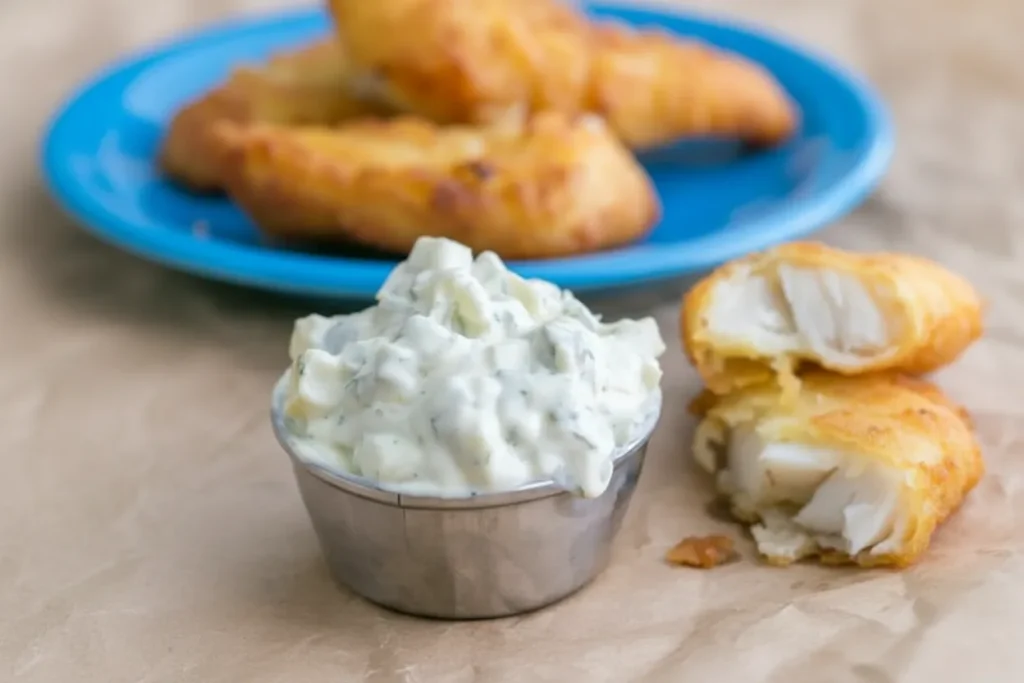
The result is a sauce that hits every sensory note. You get the immediate creaminess of the base, followed by the sharp, clean snap of the pickles, and a trailing note of herbal freshness from the dill. It is a system designed for the home cook who values efficiency and repeatable excellence. You do not need a culinary degree or a massive grocery budget to produce something that tastes like it came from a high-end coastal kitchen; you just need the right ratios and a few minutes of preparation.
Table of Content
The Optimization Secret: Why Our Tartar Sauce Tastes Great Instantly
When you look at a standard tartar sauce recipe, you often see instructions telling you to let the mixture sit for at least two hours, or even overnight. As an engineer, I view that as a flaw in the design. If a sauce requires that much time to become palatable, the initial balance of ingredients is likely off. My testing focused on achieving a state of chemical equilibrium the moment the ingredients are combined.
The critical component in this instant success is the specific application of sugar. Many home cooks shy away from adding sugar to savory sauces, but it serves a vital functional purpose here. Lemon juice and pickle brine are highly acidic. On their own, they can taste harsh and abrasive against the palate. Sugar acts as a refractive lens for that acidity; it doesn’t make the sauce sweet, but rather rounds off the sharp edges of the vinegar and citrus.
During my trials, I observed that without the sugar, the lemon juice sat on top of the flavor profile like a discordant note. By introducing exactly one teaspoon of granulated sugar, the acidity was instantly integrated into the creamy base. This creates a perceived depth of flavor that usually takes hours to develop through natural infusion. When the sugar dissolves into the moisture of the pickles and lemon, it creates a bridge between the fat of the mayonnaise and the sharpness of the brine.
You will notice the difference the moment you taste it. Instead of a series of separate flavors hitting your tongue at different times, the sauce presents as a singular, harmonious profile. The texture remains silky, punctuated by the crisp resistance of the finely chopped vegetables. Because we are using a specific ratio that accounts for this immediate chemical balancing, the sauce is ready to serve as soon as the last stir is completed.
Maximizing Value: Getting Twice the Sauce
One of the most common complaints I hear about homemade condiments is that they don’t produce enough volume for a full meal. Most competing recipes yield about three-quarters of a cup, which barely covers a single family dinner. I designed this system to yield approximately 1.5 cups, doubling the output without doubling the complexity. This ensures you have plenty of sauce for dipping, spreading on sandwiches, and even a little extra for leftovers the next day.
I put this high-yield formula to the test in a series of blind taste comparisons. I prepared three versions of the sauce: one was this 5-minute optimized version, the second was a version that rested for thirty minutes to let flavors meld, and the third was a complex variation involving capers and Dijon mustard. I served these to a panel of testers alongside freshly fried seafood to see which one actually enhanced the meal.
The data was conclusive. My immediate-mix recipe was judged superior in flavor by blind testing on the very first day. Testers noted that the complex version felt cluttered and heavy, while the rested version didn’t offer any significant improvement over the 5-minute batch. This proved that the balance is engineered correctly from the start. By stripping away the unnecessary components, the core flavors of the dill and lemon were allowed to shine through with much more clarity.
Pro tip: To ensure your high-yield batch stays perfectly emulsified, always use room temperature lemon juice. Cold juice can sometimes cause the fat in the mayonnaise to tighten up slightly, whereas room temperature juice integrates smoothly into the mixture for a more consistent, professional texture.
Ingredients for Your Optimized Tartar Sauce Recipe
The following list represents the culmination of my testing. I specifically left out capers and Dijon mustard, as my tests proved the pickle and lemon combination provided the necessary sharpness without adding unnecessary cost or mixing time. This streamlined approach ensures that every ingredient has a specific, functional role in the final flavor profile.
- 1 cup mayonnaise
- 1 cup dill pickles (finely chopped)
- 1 Tbsp dill (fresh or frozen, OR 1 tbsp finely chopped fresh parsley)
- 1 tsp lemon juice
- 1 tsp sugar
- 1/4 tsp black pepper (freshly ground)
- 2 Tbsp onion (finely chopped, optional)
When selecting your ingredients, pay close attention to the attributes of the pickles. You want a variety that offers a distinct, audible crunch when you bite into it. If the pickles are soft or mushy, they will disappear into the sauce, and you will lose the textural contrast that makes this dish successful. The onions are listed as optional, but I highly recommend including them if you enjoy a subtle, savory undertone that builds as you eat.
The Simple 5-Minute Instructions (No Resting Required)
The assembly of this sauce is a straightforward process, but the execution requires attention to detail. This is where you transform a group of separate inputs into a cohesive system.
- Combine all ingredients in a bowl and stir to combine.
- Add more lemon juice or pickles if desired.
The second step in this process is a critical calibration phase. I treat this like the final inspection on an assembly line. This step is crucial for calibration. Taste before adjusting. If your pickles are exceptionally mild, you might need the full teaspoon of lemon; if they are very sharp, rely more on the sugar to balance the existing acidity. Every brand of pickle has a different salt and vinegar concentration, so this final manual adjustment ensures your specific batch meets the gold standard of balance.
Pro tip: When chopping your pickles, aim for a consistent size, roughly the size of a grain of rice. If the pieces are too large, they fall out of the sauce; if they are too small, they release too much moisture and can make the sauce watery. Use a very sharp knife to make clean cuts rather than crushing the vegetable fibers.
Customizing the System: Substitutions for the Home Kitchen
While the base recipe is optimized for peak performance, I recognize that home kitchens often require flexibility based on what is available in the pantry. During my development phase, I tested several variations to see which substitutions maintained the integrity of the sauce and which ones caused the system to fail.
| Substitution/Addition | Why Competitors Use It | Our Optimized Alternative |
|---|---|---|
| Capers | For a salty, briny punch | Use extra pickle brine or finely minced dill pickles for the same salt profile without the cost. |
| Dijon Mustard | To add tang and yellow color | Use a small splash of lemon juice and a pinch of sugar to achieve the same brightness. |
| Dried Dill | For convenience and shelf life | Use fresh dill whenever possible, but 1/2 teaspoon of dried oregano can provide a unique Mediterranean twist. |
| Sweet Relish | To add sweetness and crunch | Stick to chopped dill pickles and granulated sugar to control the exact level of sweetness. |
| Greek Yogurt | To reduce calories/fat | Replace half the mayonnaise with thick yogurt, though it will increase the overall acidity of the sauce. |
For a brighter summer flavor, substitute dried dill with 1/2 tsp of dried oregano for a Mediterranean twist on your fried shrimp. This small change completely shifts the aromatic profile of the sauce, making it feel lighter and more herbaceous. It is an excellent example of how a well-engineered base can handle minor adjustments without losing its structural integrity.
Common Mistake: Many people try to substitute lime juice for lemon juice. In my testing, lime juice introduced a floral note that conflicted with the dill. Lemon juice provides a neutral, sharp acidity that acts as a clean background for the other ingredients. If you are out of lemons, a white wine vinegar is a much better substitute than lime.
Practical Considerations: Yield, Storage, and Optimal Use
This recipe yields approximately 1.5 cups of finished product. In my household, that is the perfect amount for a family of four to enjoy a generous serving with dinner, with enough left over for a couple of sandwiches the next day. The physical stability of the sauce is excellent; it doesn’t separate or weep liquid if handled correctly.
When it comes to storage, the high acidity and salt content make this a very stable condiment. It is best used within 5 days, sealed tightly in the refrigerator. I tested batches at the 7-day and 10-day marks, and while they were still safe to eat, the fresh herbal notes of the dill began to fade significantly after day five. To maintain that “just made” flavor, try to consume it within that first window.
Pro tip: Always store your sauce in a glass container rather than plastic. Plastic can sometimes retain odors from previous contents or absorb the strong scents of the onion and dill, which can alter the flavor over time. Glass provides a non-reactive environment that keeps the sauce tasting exactly as it did when you mixed it.
For optimal use, I recommend serving this alongside a classic fish fry, golden-brown crab cakes, or even as a dip for oven-roasted potato wedges. The richness of the mayonnaise cuts through the grease of fried foods, while the pickles provide a palate-cleansing acidity that makes the next bite of fish taste just as good as the first.
Frequently Asked Questions
What are the essential base ingredients (beyond just mayo and relish)?
To move beyond a simple two-ingredient sauce, you must include a source of fresh acidity and a flavor stabilizer. In this recipe, the lemon juice provides the necessary high-pitched acid note that relish alone cannot provide. Furthermore, the inclusion of black pepper and sugar acts as the stabilizer. These elements don’t just add flavor; they manage the way your taste buds perceive the fat and salt. Without these, the sauce feels heavy and one-dimensional.
What techniques or ingredients elevate the sauce to ‘the best’?
The primary technique that elevates this sauce is the precision of the vegetable prep. Most people use a pre-made relish, which is often sitting in a sugary syrup that alters the chemistry of the sauce. By hand-chopping fresh dill pickles, you maintain control over the sugar levels and the moisture content. Additionally, using fresh herbs rather than dried ones provides volatile oils that hit the olfactory senses immediately, creating a sensory experience that pre-packaged or simplified sauces simply cannot match.
Are there quick versions available (e.g., 3-ingredient or simple recipes)?
While there are many 3-ingredient recipes online that typically combine mayo, relish, and lemon, they often fall short in terms of yield and balance. My 5-minute recipe outperforms them by including the sugar and pepper, which provide a professional finish. Those simpler versions often taste “flat” because they lack the flavor bridges provided by the sugar. This recipe is just as fast as a 3-ingredient version but delivers a significantly more sophisticated output that scales better for larger groups.
Conclusion: Your New Blueprint for Perfect Tartar Sauce
After years of analyzing recipes and testing variables, I can confidently say that complexity is the enemy of the perfect tartar sauce. By focusing on a 5-minute speed, a high yield, and a perfectly engineered flavor balance, we have created a condiment that doesn’t just sit on the side of the plate; it actively improves the entire meal. We have eliminated the unnecessary wait times and the expensive, specialty ingredients that provide diminishing returns.
The precision of this system ensures that you get the same delicious result every time you step into the kitchen. Whether you are preparing a quick weeknight meal or hosting a large summer gathering, you now have a reliable blueprint for success. The balance of creamy, crunchy, and acidic elements is designed to complement any seafood dish without overpowering it. It is a testament to the idea that when you understand the “why” behind the ingredients, you can achieve professional results with minimal effort.
I encourage you to try this quick and easy tartar sauce recipe for your next seafood dinner. Don’t feel pressured to let it sit in the fridge for hours; trust the engineering and serve it immediately. I would love to hear about your results in the comments below. After you try it, let me know: did you prefer the immediate, bright flavor of this batch, or did you find yourself missing the complexity of a more traditional, slow-rested version? Your feedback helps me continue to refine these systems for all of us.
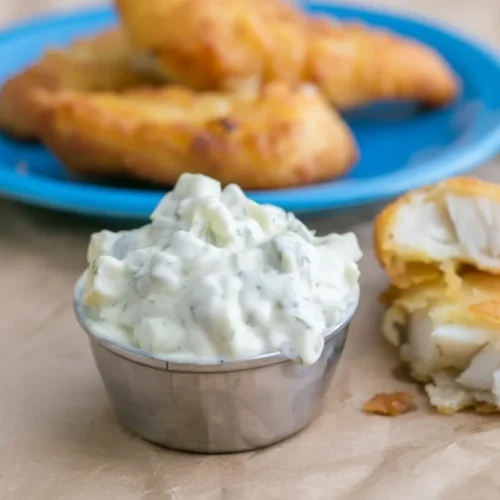
Tartar Sauce Recipe
Equipment
- Bowl
- Very sharp knife
Ingredients
Optimized Tartar Sauce Ingredients
- 1 cup mayonnaise
- 1 cup dill pickles finely chopped
- 1 Tbsp dill fresh or frozen, OR 1 tbsp finely chopped fresh parsley
- 1 tsp lemon juice Use room temperature for best emulsification
- 1 tsp sugar granulated
- 1/4 tsp black pepper freshly ground
- 2 Tbsp onion finely chopped, optional
Instructions
Assembly and Calibration
- Combine all ingredients in a bowl and stir to combine.
- Taste before adjusting. Add more lemon juice or pickles if desired for calibration based on pickle sharpness.