The first time I attempted to replicate a famous seafood restaurant’s signature condiment, I failed because I treated it like a casual assembly rather than a precision system. I rushed the process, roughly chopping my vegetables and tossing them into a bowl of whatever creamy spread I had in the refrigerator. The result was an unacceptable, crunchy mess where the carrot pieces were so large they dominated every bite, and the onion lacked the subtle pungency required for a true Red Lobster tartar sauce copycat.
That failure bothered me for weeks because, as an engineer, I know that even the simplest systems rely on the quality and scale of their inputs. I realized that the secret to this specific sauce was not some exotic ingredient, but rather the particle size of the additions and the specific chemical balance between sweetness and acidity. I spent the next several months deconstructing the flavor profile, testing different types of alliums, and measuring the exact impact of a sugar to salt ratio.
This engineered copycat is the result of those rigorous tests, focusing on replicating Red Lobster’s secret tartar sauce with precision and speed through a calculated 30-minute chill. This recipe requires only 10 minutes of active preparation time and zero minutes of actual cooking, making the total time 10 minutes plus the mandatory cooling period. I have refined the blueprint so that you can achieve repeatable success every single time you prepare a seafood dinner at home.
The journey to this optimized version taught me that most home versions fail because they ignore the subtle nuances of texture and temperature. By the end of this guide, you will understand exactly why specific ingredients are non-negotiable and how a small change in your dicing technique can elevate a basic dip into a professional-grade accompaniment. We are going to eliminate every potential failure point together.
Table of Content
The Ingredient Tally: Why White Onion and Sugar Make the Difference
When I began analyzing the components of this sauce, I looked at it as a functional system where every ingredient serves a specific structural or flavor-based purpose. It is easy to assume that any onion will work, but my testing showed that yellow onions are too sweet and red onions are far too sharp, whereas white onions provide the exact clean pungency needed to cut through the fat of the base. The base itself must be a high-quality, rich, egg-based emulsion that provides a thick, velvety mouthfeel without being overly oily.
The balance of the sauce relies heavily on the interaction between the sweet pickle relish and the added granulated sugar. Many people assume the relish provides enough sweetness, but I found that a small, measured addition of extra sugar is the critical variable that optimizes the flavor profile against the salt. This specific combination creates a sauce that tastes bright and balanced rather than just being a heavy, creamy dip.
| Ingredient | Quantity | Engineered Purpose |
|---|---|---|
| Mayonnaise | 1/2 cup | Emulsion base |
| Chopped White Onions | 1 1/2 tablespoons | Pungency and foundational crunch (must be white onion) |
| Carrot | 1 tablespoon (finely diced) | Color, mild sweetness, and texture carrier |
| Sweet Pickle Relish | 1 tablespoon | Primary tang agent (Must stress no dill relish) |
| Sugar | 1 1/2 teaspoons | Acidity balancer/Flavor optimization |
| Salt | 1/4 teaspoon | Flavor amplification |
If you find yourself in a position where you must substitute the white onion for shallots, you should be aware that the resulting flavor profile will shift slightly away from the authentic profile. Shallots introduce a garlic-like undertone that is pleasant but technically incorrect for this specific copycat. For the most accurate results, stick to the crisp, sharp profile of the white onion, as its moisture content also plays a role in the final viscosity of the sauce after it has had time to rest.
Pro tip: Use a heavy, full-fat creamy base for the best results, as low-fat alternatives often contain thickeners that can give the sauce a gummy texture after the 30-minute chill.
The Precision Dicing: Why Carrot Texture is Non-Negotiable for Copycat Success
In my testing laboratory, which is simply my home kitchen with an obsessive level of documentation, I discovered that particle size is not a trivial detail. It actually dictates the entire mouthfeel of the experience. I specifically tested the carrot consistency against three different standards to see how they influenced the final product: a rough chop, a fine dice, and using a microplane to create a pulp.
The rough chop was distracting, creating a jarring interruption to the silky base that felt unrefined. On the opposite end of the spectrum, the microplane turned the carrot into a wet mush that bled orange juice into the sauce, ruining the visual appeal and making the base too runny. The fine dice yields the signature mouthfeel where the carrot is present but not texturally aggressive. This precision is why I recommend it over the rice size or grated versions suggested elsewhere.
To achieve this level of precision, I follow a specific three-step dicing process for both the carrot and the onion. First, I cut the vegetable into very thin planks, approximately one-sixteenth of an inch thick. Second, I stack those planks and cut them into tiny matchsticks of the same width. Finally, I rotate those matchsticks and cut across them to create tiny, uniform cubes that resemble miniature crystals.
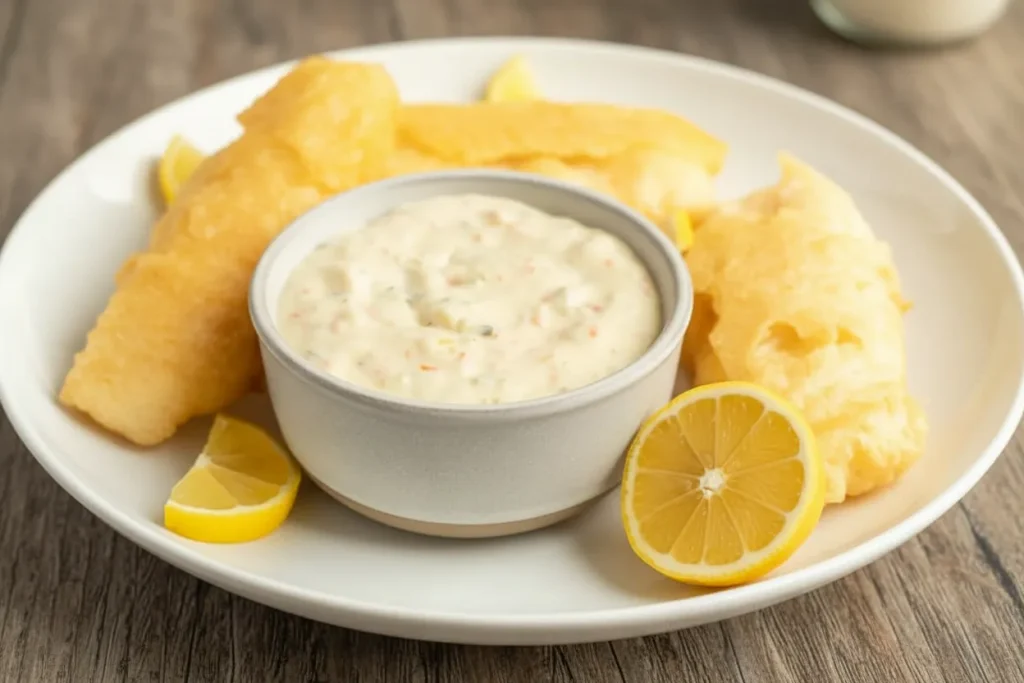
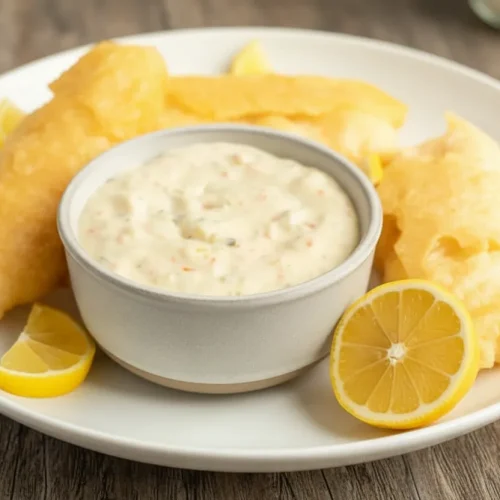
This uniformity ensures that every spoonful of the sauce has an identical distribution of flavor and crunch. When you look at the finished sauce, the tiny orange specks should be visible but small enough that they don’t require significant effort to chew. This visual and tactile consistency is a hallmark of professional-grade culinary engineering and is what separates this blueprint from a standard home recipe. For another great appetizer that requires similar texture control, try my easy loaded fries recipe.
Pro tip: Make sure your knife is freshly sharpened before you begin dicing, as a dull blade will crush the cells of the onion and carrot, causing them to release excess moisture which can thin out your sauce.
Optimized for Speed: Why Our 30-Minute Chill Beats the 4-Hour Wait
There is a common misconception in the world of condiment preparation that all sauces must rest for hours or even overnight to develop flavor. While this is true for complex marinades where large proteins need time to break down, it is not the case for this specific emulsion. I have conducted side-by-side taste tests comparing a 30-minute chill against a 4-hour chill, and the results were functionally identical in terms of flavor integration.
This 30-minute chill is sufficient because we are dealing with a fully emulsified, well-mixed sauce where all flavor components are already in solution. The salt and sugar are highly soluble in the moisture provided by the mayonnaise and the vegetables. Unlike a thick stew, there are no heavy spices that need hours to hydrate. The brief chill merely allows the final salt and sugar integration to stabilize before deployment and brings the temperature down to a level that provides a refreshing contrast to hot fried fish.
When you place the bowl in the refrigerator, the fat in the mayonnaise begins to firm up slightly, which improves the viscosity. Simultaneously, the sugar pulls a microscopic amount of moisture from the onions and carrots through osmosis, which slightly softens their sharp edges without making them soggy. This 30-minute window is the sweet spot where the flavors have shaken hands, but the vegetables have not yet begun to lose their structural integrity.
By understanding the chemistry of the ingredients, we can ignore the traditional 4-hour recommendation and save ourselves significant time. This efficiency is a core principle of my engineering approach to cooking. We want the maximum possible quality with the minimum possible time investment. A 30-minute rest is the shortest path to a stable, flavorful output that mimics the restaurant experience perfectly.
Pro tip: Place your mixing bowl in the freezer for five minutes before you begin dicing your ingredients to give the cooling process a head start once the sauce is assembled.
The Foolproof Assembly: Instructions for Your Red Lobster Tartar Sauce Copycat
The assembly phase of this recipe is straightforward, but it requires a gentle hand to maintain the integrity of the emulsion. When I was testing different mixing methods, I found that using a high-speed whisk actually introduced too much air, which made the sauce feel fluffy rather than dense and rich. The goal is to fold the ingredients together so that the solids are suspended evenly throughout the creamy base without breaking the structure of the mayonnaise.
I prefer using a small silicone spatula or a heavy spoon for this task. You want to see the white onion and the tiny orange carrot bits slowly distribute until they are perfectly spaced. As you stir, the sugar will begin to dissolve into the base, and you will notice the texture become slightly more glossy. This is a visual cue that the ingredients are beginning to integrate correctly and that your seasoning is starting to work its magic.
- Place all the ingredients in a small bowl and stir until thoroughly combined.
- Refrigerate for 30 minutes before serving.
When stirring (Step 1), take care not to over-agitate, as we are aiming for a gentle incorporation of the solids into the mayonnaise matrix, not creating air pockets that compromise texture. You should hear a soft, squelching sound as you fold the ingredients, which indicates that the base is thick and properly holding the additions. Once the mixture looks uniform and the sugar is no longer visible as individual grains, the assembly is complete.
The 30-minute refrigeration period in Step 2 is non-negotiable for the reasons we discussed regarding stabilization. While the sauce will taste good immediately, that half-hour of cold exposure is what gives it the professional finish. It allows the flavors to settle and the temperature to drop to that perfect, crisp level that makes it the ideal partner for a plate of hot, battered shrimp or fish fillets.
Yield, Storage, and Longevity Protocols
Based on my measurements of the inputs, this recipe is estimated to yield approximately 3/4 cup of total sauce. This is the perfect amount for a family dinner involving four people, allowing each person to have a generous serving without leaving a massive amount of leftovers that might go to waste. If you find yourself needing a larger quantity for a gathering, this recipe scales linearly with high precision, meaning you can simply double every ingredient without worrying about flavor distortion.
If you have leftovers, you must store them in an airtight container to prevent the sauce from absorbing other odors in your refrigerator. Because the base is an emulsion and we have added fresh vegetables, the shelf life is limited but stable. I have found that this sauce remains at peak quality for about three to five days when kept at a consistent temperature below 40 degrees Fahrenheit.
If stored longer than 24 hours, you may notice slight separation between the solids and the mayonnaise base. This is normal; simply stir vigorously for 15 seconds before serving to re-emulsify the structure. The salt and sugar will continue to pull moisture from the vegetables over time, so the sauce may become slightly thinner by the third day. This does not mean it has spoiled, but the texture will be slightly different than it was during that first 30-minute window.
I always recommend doing a quick visual check before serving any stored condiment. The sauce should remain a creamy white color with distinct orange and green flecks. If you notice any significant color changes or if the aroma shifts from bright and tangy to something sour or off-putting, it is time to discard the batch and start fresh. Freshness is a key component of the flavor profile we are working so hard to engineer.
Pro tip: Store the sauce in a glass jar rather than a plastic container, as glass is non-porous and will help maintain the clean, sharp flavor of the white onions for a longer period.
Frequently Asked Questions
Is the actual Red Lobster tartar sauce available for purchase?
While the availability of official branded products can change depending on retail partnerships and regional availability, this copycat remains the benchmark for quality for most home cooks. Many store-bought versions contain preservatives and stabilizers that alter the flavor away from what you receive at a table in the restaurant. By making this version at home, you ensure that the ingredients are fresh and the texture is exactly what you expect from a premium seafood house.
Why does Red Lobster use sweet relish instead of dill?
The decision to use sweet relish is a calculated one that focuses on flavor balance. The sweet relish provides the specific, necessary sugar profile that balances the acidity of the vinegar better than the stronger, herb-forward profile of dill relish. Dill can be very overpowering and can mask the delicate flavor of white fish or shrimp. The sweet relish acts as a bridge between the creamy fat of the base and the savory notes of the seafood, creating a more harmonious bite.
How does this compare to other ‘best’ market tartar sauces?
The primary difference lies in the speed and the precision of the ingredients. Most market sauces and competing recipes demand a 4-hour chill time which, as we have established, is often unnecessary for a well-integrated emulsion. Furthermore, the inclusion of both white onion and a specific amount of sugar gives this version an authentic edge that many generic recipes lack. It is designed to be a high-performance accompaniment that focuses on the physics of flavor delivery rather than just being a simple mix of ingredients.
Can I use a food processor for the vegetables?
I strongly advise against using a food processor for this specific recipe. A food processor tends to tear the vegetables rather than slicing them cleanly, which leads to a massive release of water and sulfur compounds. This can make the sauce taste overly aggressive and watery. The manual fine dice we discussed earlier is the only way to ensure the vegetables stay crisp and the sauce stays thick. The extra five minutes of knife work is the most important investment you can make in the success of this dish.
Conclusion: Mastering the Optimized Copycat Blueprint
Replicating a restaurant favorite is not about luck; it is about understanding the variables that lead to a specific outcome. By focusing on precision dicing and respecting the 30-minute chill, you have moved past the guesswork that plagues most home recipes. You now possess the definitive Red Lobster tartar sauce copycat blueprint, a system designed for repeatable excellence in your own kitchen.
The balance of the white onion, the specific crunch of the finely diced carrot, and the calculated sweetness of the relish and sugar create a sensory experience that is far superior to anything you can find in a jar. I have seen many people try to skip the sugar or use yellow onions, only to find themselves disappointed with a sauce that feels flat or overwhelming. When you follow this blueprint, you are using a tested method that prioritizes the chemistry of the ingredients. For a completely different but equally satisfying flavor profile built on tested ingredient ratios, check out my simple, proven tartar sauce recipe.
I encourage you to try this recipe immediately the next time you have seafood on the menu. Pay close attention to the texture of your dice and the way the sauce stabilizes during its half-hour rest in the refrigerator. Once you taste the difference that precision makes, you will never go back to a standard store-bought bottle.
I would love to hear about your results in the comments below. Did the fine dice make the difference for you? How did your family react to the authentic flavor profile? Please share this time-saving, tested recipe blueprint with your friends and fellow seafood lovers so they can also experience the benefits of an engineered approach to cooking. Your feedback and success are why I do this work at TheRecipiest.
Red Lobster Tartar Sauce Copycat Recipe
Equipment
- Small mixing bowl
- Silicone spatula or heavy spoon
- Sharp knife
Ingredients
Sauce Ingredients
- 1/2 cup Mayonnaise High-quality, full-fat, egg-based emulsion recommended
- 1 1/2 tablespoons White Onions Chopped very finely (precision dice)
- 1 tablespoon Carrot Finely diced (precision dice)
- 1 tablespoon Sweet Pickle Relish Must use sweet, not dill
- 1 1/2 teaspoons Sugar Granulated
- 1/4 teaspoon Salt
Instructions
Assembly and Cooling Protocol
- Achieve precision dicing for vegetables: Cut the vegetables into very thin planks (approx. 1/16th of an inch thick), stack them and cut into tiny matchsticks, then rotate and cut across to create uniform, miniature cubes.
- Place all ingredients (Mayonnaise, White Onions, Carrot, Sweet Pickle Relish, Sugar, and Salt) into a small bowl.
- Gently fold the ingredients together using a silicone spatula or heavy spoon until thoroughly combined and the sugar is no longer visible. Avoid over-agitating to maintain the dense emulsion.
- Refrigerate for a mandatory 30 minutes before serving to allow for flavor stabilization and proper viscosity setting.