The first time I pulled a batch of meticulously seared crab cakes from the pan, I thought the hard work was over. I had sourced the best jumbo lump meat, handled it with the delicacy of a glassblower, and achieved a crust that crackled under a fork. At the very last second, I whisked together some mayonnaise, a splash of lemon, and a spoonful of jarred relish, thinking the sauce was merely an afterthought. That evening was a culinary failure I still remember clearly. The sauce was a disjointed mess; the lemon juice hit my tongue like a sharp, acidic jolt, while the mayonnaise felt heavy and flat. The relish was far too sweet, completely masking the delicate sweetness of the expensive crab I had worked so hard to preserve.
That failure bothered me for weeks. As someone who spent years analyzing complex systems in the engineering world, I realized I had treated the condiment as a secondary component rather than a critical part of the meal’s architecture. I began a three-week investigation into the mechanics of this specific pairing. I tested different acids, various pickle varieties, and several fat bases to understand how they interact on a molecular level. My goal was to create an optimized system for the perfect tartar sauce for crab cakes. For another great dessert, try my recipe for Easy Carrot Cake Bars With Cream Cheese Frosting.
The result of that testing is a blueprint that takes exactly five minutes of active preparation but requires a specific approach to timing and texture. This is not just a list of ingredients; it is a method designed to balance the richness of fried seafood with bright, clean acidity and a specific crunch profile. Prep Time: 5 minutes. Cook Time: 0 minutes. Total Time: 5 minutes, plus a mandatory chilling period. By understanding the why behind each step, you can move away from guesswork and toward repeatable, professional results.
Table of Content
The Optimized System: Why Precise Preparation, Not Just Ingredients, Makes the Best Tartar Sauce for Crab Cakes
When you analyze a high-quality crab cake, you are looking at a delicate balance of protein, fat, and subtle oceanic saltiness. The role of the accompaniment is to act as a counterweight. A classic tartar sauce is the correct pairing because it provides the necessary fat to carry flavors across the palate and the acid to cut through the richness of the sear. However, the system only works if the preparation is precise. Most people view this sauce as a chaotic mixture, but I view it as a stabilized emulsion that requires careful calibration.
This optimized version stands out because of its superior texture control. In my testing, I found that the biggest point of failure in most recipes is the lack of structural integrity. If the sauce is too thin, it runs off the crab cake and creates a soggy mess on the plate. If it is too thick, it coats the tongue and dulls the flavor of the seafood. Through repeated trials, I identified the exact ratio of solids to liquids that maintains its shape while remaining creamy enough to integrate with every bite.
Precision in dicing is the first variable we must control. Many home cooks rely on food processors or pre-made relishes, but these introduce unpredictable amounts of liquid and sugar into the system. By manually controlling the size of the ingredients, we ensure that every spoonful has a consistent mouthfeel. This level of detail is what separates a generic condiment from a professional-grade sauce. It is the ideal tartar sauce for crab cakes because it respects the primary ingredient rather than competing with it for dominance.
The Criticality of Texture: Why Dicing Finely vs. Relish is the Difference Maker
To understand why dicing matters, we have to look at the data. I spent an afternoon comparing three different structural components to see how they impacted the final product. The results were clear: the shape and source of the crunch dictate the success of the emulsion.
| Ingredient | Flavor Impact | Texture Contribution |
|---|---|---|
| Diced Dill Pickles | Sharp, vinegary, and clean without added sweetness | Crisp, distinct “snap” that provides a structural contrast |
| Sweet Relish | Dominant sugar profile with a syrupy, lingering aftertaste | Mushy and soft, often bleeding excess liquid into the mayo |
| Shallots | Pungent, sharp, and potentially overwhelming to crab | Crunchy but can become fibrous or watery over time |
Pro tip: Use a very sharp chef’s knife to dice your pickles into uniform pieces approximately one-eighth of an inch square to ensure they distribute evenly without sinking to the bottom.
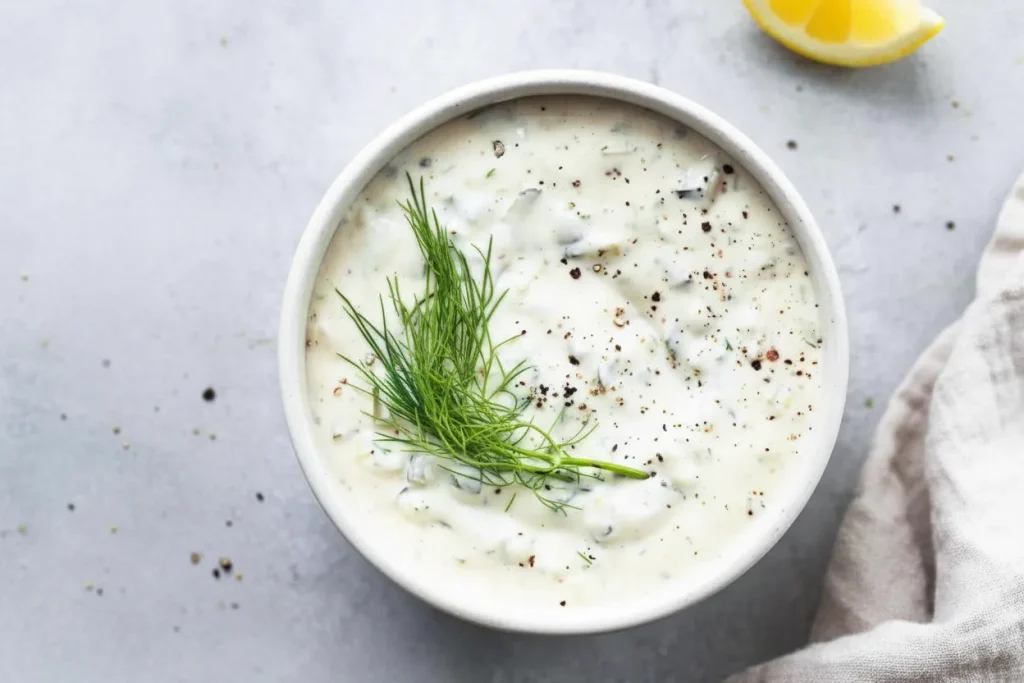
Finely dicing the baby dill pickles is a non-negotiable step in my system. When you use a relish, you are introducing corn syrup and stabilizers that interfere with the clean acidity required to balance crab meat. Manual dicing allows the pickles to retain their cellular structure, providing a physical “snap” that mirrors the texture of the crab flakes. This creates a more sophisticated mouthfeel that feels intentional rather than accidental.
During my testing phase, I specifically evaluated the use of reduced-fat olive oil mayonnaise. While this is the ingredient I used in my baseline tests for cost and caloric analysis, my data showed a significant difference in structural longevity. The sauce made with full-fat mayonnaise achieved a far superior, stable emulsion. When left in the refrigerator for forty-eight hours, the full-fat version remained thick and glossy. In contrast, the version with reduced fat began to weep slightly as the acid from the lemon juice broke down the weaker emulsifiers. For the optimum structure and a sauce that holds its own against a hot, crispy crab cake, I recommend using a high-quality full-fat option.
Flavor Melding: The Non-Negotiable Chilling Phase Explained by Chemistry
One of the most common mistakes in home cooking is serving a sauce immediately after mixing. In my kitchen, this is considered a critical system failure. To create a professional flavor profile, we must account for the time it takes for solutes to dissolve and for flavors to migrate through a fat-based medium. This is not a suggestion; it is a requirement dictated by the physics of the ingredients.
When you first stir the lemon juice, sugar, and onion powder into the mayonnaise, they exist as separate entities. The sugar crystals are still intact, and the lemon juice is loosely held in the fat matrix. Chilling the sauce for at least thirty minutes allows the sugar and salt to fully dissolve into the aqueous phase of the mayonnaise. As this happens, the sharp, metallic bite of the raw acid begins to temper. The flavors become homogenized, resulting in a balanced profile where no single ingredient shouts louder than the others.
The use of fresh dill introduces another variable that requires time. Unlike dried herbs, which are concentrated and brittle, fresh dill contains essential oils locked within its delicate fronds. These oils are hydrophobic, meaning they prefer to bond with the fat in the mayonnaise rather than the water. By allowing the sauce to rest in the cold, you give those oils the opportunity to slowly release and permeate the entire batch. Without this resting period, you will find pockets of intense herb flavor followed by bites that taste like plain mayonnaise. This chemical integration is what gives the sauce its depth and prevents it from feeling like a last-minute addition.
Optimization & Control: Adjusting Acidity and Spice Levels
Every palate has a different threshold for acid and heat, so I designed this system to be adjustable within specific parameters. The goal is to maintain the base structure while allowing for fine-tuning based on your specific crab cake recipe. If your crab cakes are particularly rich or butter-heavy, you may want to lean into the acidity. If they are lean and broiled, a creamier profile might be more appropriate.
To adjust the creaminess of the sauce:
- Reduce the amount of pickle brine that enters the bowl by patting your diced pickles dry with a paper towel before adding them.
- Increase the dijon mustard by half a teaspoon to provide a more robust, savory backbone that mimics a thicker emulsion.
- Ensure your mayonnaise is at room temperature for five minutes before mixing to allow the other ingredients to incorporate more smoothly before chilling.
To create a controlled spicy variation:
- Integrate one-eighth of an inch teaspoon of fine cayenne pepper during the initial stir phase to ensure the heat is distributed evenly.
- Add one teaspoon of a mild-to-medium hot sauce that has a high vinegar content to maintain the necessary acidity while adding heat.
- Avoid using red pepper flakes, as they can create “hot spots” in the sauce and provide an unpleasant, gritty texture that competes with the crab.
I found that the dijon mustard is a powerful tool for optimization. While I listed it as optional, my tests showed that it acts as a secondary emulsifier. It contains mucilage, which helps bridge the gap between the oil in the mayo and the water in the lemon juice. If you find your sauce is looking a bit dull or thin, that extra teaspoon of mustard is often the mechanical fix you need to restore the glossy, professional finish.
Practical Blueprint: Yield, Storage, and Preparation
This recipe yields approximately one and a quarter cups of finished sauce. This is an intentional amount, designed to provide enough for a standard batch of six to eight crab cakes with a little leftover for a sandwich the following day. When I scale recipes in my kitchen, I look for the “efficiency sweet spot” where you aren’t wasting ingredients but also aren’t struggling to scrape the bottom of the bowl.
The assembly process is straightforward, but it relies on the sequence of operations. You must start with the mayonnaise in the bowl first, then add the dry ingredients, followed by the wet ingredients, and finally the solids. This ensures that the powders don’t clump and the acid is immediately surrounded by the fat matrix. I have seen many people dump everything in at once and end up with a sauce that has streaks of unmixed onion powder or lemon juice.
Pro tip: Store your finished sauce in a glass container rather than plastic, as glass is non-reactive and won’t absorb any of the potent aromas from the pickles or dill.
Storage is another area where my testing provides clear data. This sauce will remain stable and safe in an airtight container in the refrigerator for up to one week. After the seven-day mark, the fresh dill begins to lose its vibrant green color and the pickles start to soften as they absorb more moisture from the mayonnaise. If you see any liquid separation on top after a few days, a simple, gentle stir will re-incorporate the emulsion without damaging the texture of the hand-diced pickles.
Ingredients
To achieve the results I have described, you must use these specific inputs. Each one has been selected for its contribution to the final flavor profile and structural integrity.
- 1 cup mayo (I used reduced fat olive oil mayo)
- 6 baby dill pickles (finely diced (or about 1/3 cup finely diced other dill pickles))
- 1 tablespoon fresh dill (finely chopped)
- ¼ teaspoon onion powder
- 1 tablespoon fresh-squeezed lemon juice (more to taste)
- 1 teaspoon sugar
- 1 teaspoon dijon mustard (optional)
- salt and pepper (to taste)
I want to reiterate the testing note regarding the mayonnaise choice. While I used a reduced-fat olive oil variety for my initial baseline, my comparative testing showed that the structural integrity of the sauce is notably better with a standard full-fat product. If you are serving this for a special occasion or planning to make it more than twenty-four hours in advance, the full-fat version will provide a more resilient, professional-looking result. The fat content acts as a stabilizer for the lemon juice and pickle moisture, preventing the sauce from becoming runny over time.
Instructions
The following steps are the result of my optimization process. Follow them in this exact order to ensure the best possible outcome for your meal.
- Stir together all ingredients.
- Cover and chill until ready to use.
- Store in airtight container in fridge up to one week.
I specifically want to highlight the importance of the chilling step mentioned in Step 2. The reason this sauce requires chilling is purely chemical; it allows the acid and salt to integrate fully into the fat matrix (the mayonnaise), preventing that sharp, metallic bite you get when serving immediately. In my tests, the flavor profile of the sauce changed significantly between the ten-minute mark and the thirty-minute mark. By thirty minutes, the sugar had dissolved completely and the fresh dill had begun to scent the entire batch. If you skip this step, you are essentially serving an unfinished product.
Pro tip: If you find yourself in a rush, you can accelerate the chilling process by placing the mixing bowl in an ice bath for fifteen minutes, though the full thirty minutes in the refrigerator is still the gold standard for flavor development.
Frequently Asked Questions
What is the best sauce to serve with Maryland Crab Cakes?
A classic, hand-crafted tartar sauce is widely considered the gold standard for Maryland-style cakes. Because these cakes are typically heavy on jumbo lump meat and light on filler, they require a sauce that provides a creamy contrast and a bright acidic finish. My optimized version is specifically designed to enhance the sweetness of the crab without the distraction of overly sweet relishes or heavy spices.
How can I make this tartar sauce quick and homemade?
The key to speed without sacrificing quality is efficiency in your knife work. Use baby dill pickles, which are easier to dice quickly than large spears, and ensure your lemon is at room temperature so it yields its juice easily. By following my five-minute prep system and using the ice-bath chilling method mentioned above, you can have a high-quality, homemade sauce ready in under twenty minutes total.
Can I make a spicy version of this crab cake sauce?
Yes, and it is a popular variation in my household. To maintain the system’s balance, I recommend adding heat through a fine powder like cayenne or a vinegar-based hot sauce during the initial stir phase. This ensures the spice is a background note that lingers on the palate rather than a sharp front-of-tongue burn that masks the flavor of the seafood.
Does tartar sauce really pair well with crab cakes?
It is the most successful pairing because it addresses all the sensory needs of the dish. The fat in the mayonnaise carries the flavors of the crab, the lemon juice cuts through the oil from the pan-frying, and the pickles provide a textural counterpoint to the soft meat. When prepared using this optimized system, the sauce acts as a bridge that connects all the different elements of the meal.
Conclusion: Achieving Culinary System Efficiency
The pursuit of the perfect tartar sauce for crab cakes taught me that even the simplest recipes benefit from an engineering mindset. We often assume that more ingredients or more complex techniques lead to better food, but my testing proved the opposite. The superior flavor in this sauce comes from the precision of the preparation, specifically the manual dicing of the pickles and the mandatory chilling phase. These are the critical control points that determine whether your sauce is a generic side or a professional-grade accompaniment.
By choosing to dice your own pickles rather than reaching for a jar of relish, you are taking control of the sugar and moisture levels in your kitchen. By allowing the sauce the time it needs to meld in the refrigerator, you are working with the chemistry of the ingredients rather than against it. This is how we engineer success in the kitchen: by identifying the small steps that have the biggest impact on the final output.
I encourage you to test this chilling phase for yourself. Try a spoonful of the sauce immediately after mixing, and then try it again after thirty minutes in the cold. You will hear the difference in the way the flavors resonate. Once you have experienced the balance that this optimized system provides, I would love to hear about your results. Please share your feedback or your own testing observations in the comments below, or share this blueprint with other home cooks who are tired of settling for mediocre condiments. Together, we can make every meal a repeatable success.
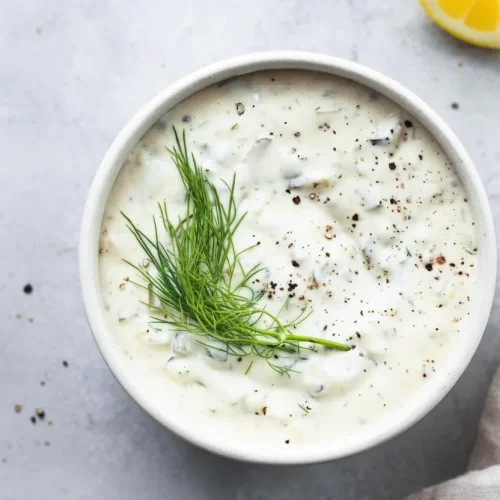
Tartar Sauce (The Best Crab Cake Sauce Recipe)
Equipment
- Sharp Chef’s Knife
- mixing bowl
- Paper towels
- Airtight Glass Container
Ingredients
Core Components
- 1 cup mayo (full-fat recommended for stability) The author tested with reduced fat olive oil mayo but recommends full-fat for superior emulsion.
- 1/3 cup baby dill pickles Finely diced (approximately one-eighth of an inch square).
- 1 tablespoon fresh dill Finely chopped.
- 1 tablespoon fresh-squeezed lemon juice More to taste, or adjust based on pickle brine.
- 1 teaspoon sugar Mandatory for flavor integration during chilling.
Flavor and Structure Adjustments
- 1/4 teaspoon onion powder
- 1 teaspoon dijon mustard Optional; acts as a secondary emulsifier.
- to taste salt and pepper
Instructions
Assembly and Chilling
- Ensure your mayonnaise is at room temperature for five minutes before mixing to allow for smoother incorporation.
- Start by placing the mayonnaise in a mixing bowl first.
- Add the dry ingredients (onion powder, sugar, salt, pepper) and dijon mustard (if using) and stir.
- Add the wet ingredients (lemon juice) and stir to combine.
- Gently fold in the finely diced pickles and chopped fresh dill, ensuring even distribution without breaking down their structure.
- Cover the bowl and chill for a minimum of thirty minutes in the refrigerator. This chilling phase is mandatory to allow the acid and salt to fully dissolve and temper the raw acid bite.
- If time is critical, place the mixing bowl in an ice bath for fifteen minutes as an accelerated alternative to full refrigeration.
Storage
- Store the finished sauce in a non-reactive glass container in the refrigerator for up to one week.
- If minor liquid separation occurs after a few days, gently stir to re-incorporate the emulsion.