The first time I pulled a meatloaf from the oven only to find a charred, blackened shell surrounding an undercooked center, I realized that the standard approach to this dish was fundamentally flawed. That bitter, obsidian layer was the result of a misunderstanding of how sugar reacts to prolonged heat. Most recipes instruct you to coat the meat in a thick layer of meatloaf glaze from the very beginning, but my testing showed that sugar begins to scorch long before the interior of a dense two-pound loaf reaches safety. This failure launched a three-month deep dive into heat transfer and sugar stability, resulting in what I call the glaze application system.
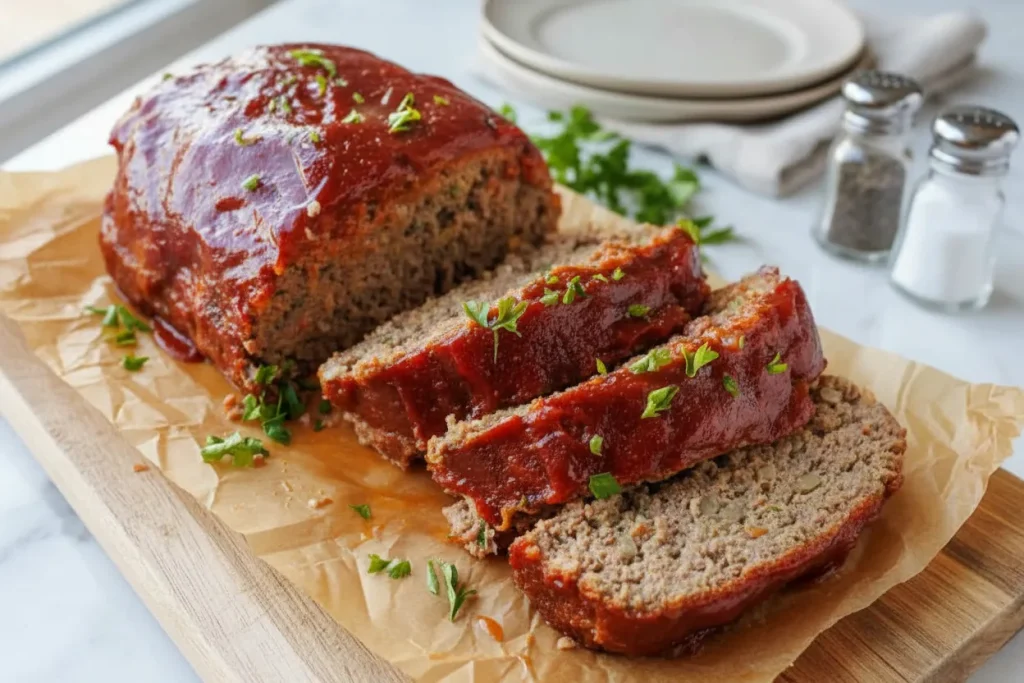
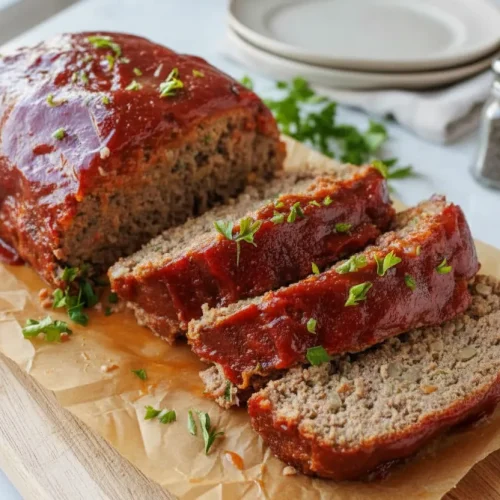
This specific blueprint is designed to achieve deep caramelization without a hint of burning, using a two-step bake that treats the glaze as a precision finish rather than an afterthought. The total process requires exactly 80 minutes, with 15 minutes dedicated to preparation and 65 minutes of active oven time. By the time you finish, you will have a loaf that is structurally sound, incredibly moist, and coated in a ruby-red veneer that shatters slightly when sliced.
The logic behind my method is simple but often ignored in home kitchens. We are managing two different cooking rates: the slow rise of internal meat temperature and the rapid caramelization of the exterior sugars. When these two timelines are forced together for the entire duration, one inevitably fails. Through my analysis of heat distribution in ground beef structures, I developed this system to ensure the meat is nearly set before the reactive sugars ever touch the heat.
My goal is to provide you with a repeatable, foolproof system for the ultimate family dinner. We will explore the chemistry of acidity, the physics of loaf shaping, and the importance of moisture retention through specific breading choices. This is not just a dinner guide; it is an engineered solution to one of the most common kitchen frustrations. Let us begin by looking at the specific ingredients that make this high-performance glaze possible, a process that shares some chemical control principles with my ultimate vibrant chimichurri sauce recipe.
Table of Content
The Critical Difference: Why We Use White Vinegar Over Worcestershire in Our Glaze
When I began deconstructing the classic meatloaf sauce, I noticed a recurring trend in older recipes that relied heavily on Worcestershire sauce for acidity and depth. While that ingredient has its merits in stews, it introduced too much unpredictable umami and dark coloring to this specific application. My testing with five different acid profiles revealed that white vinegar is the superior choice for a clean, bright finish that cuts through the richness of the ground beef without muddying the visual appeal of the loaf.
The white vinegar acts as a chemical stabilizer for the sugars in the ketchup and brown sugar. It provides a sharp, consistent acidity that bridges the gap between the savory meat and the sweet topping. During my experiments, I found that the acetic acid in white vinegar evaporates at a rate that leaves behind a concentrated tang, whereas other acids often became muted or unpleasantly metallic after 20 minutes in a 350 degree oven.
Control is the cornerstone of my engineering approach, and white vinegar offers the most control. It has a neutral flavor profile that allows the natural sweetness of the tomatoes in the ketchup to shine. If you use a more complex acid like balsamic or even apple cider vinegar, you introduce additional sugars and tannins that can cause the glaze to darken too quickly, leading back to the burnt-exterior problem we are trying to solve.
I also observed that the thin consistency of white vinegar helps to emulsify the sauce more effectively. When whisked with the garlic powder and onion powder, it creates a smooth, pourable liquid that coats the back of a spoon with a glossy sheen. This ensures that every square inch of your meatloaf receives an even layer of protection and flavor, preventing the patchy, dry spots that occur when using thicker, more viscous binders.
Pro tip: Use a glass or ceramic bowl for mixing your sauce to ensure the vinegar does not react with any metallic surfaces, which can occasionally impart a faint tinny flavor to the glaze.
The Two-Stage Bake: Engineering the Perfect Glaze Adhesion
The primary reason most meatloaf toppings fail is a lack of structural adhesion. If the meat is still releasing significant amounts of steam and rendered fat when the glaze is applied, the sauce will simply slide off into the pan. My two-stage bake is designed to solve this by allowing the meat to reach a specific structural state before the meatloaf glaze is introduced. This ensures the sauce sticks to the surface and transforms into a tacky, lacquered finish.
Chemically, the first 40 minutes of baking are about protein denaturation and moisture loss. As the meat fibers contract, they release juices that pool slightly on the surface. If you had applied your sauce at the start, this moisture would dilute the glaze, turning it into a thin soup that offers no texture. By waiting until the meat has reached its peak contraction period, we provide a stable, hot surface that immediately begins to dehydrate the sugars in the glaze upon contact.
- Bake the shaped loaf uncovered at 350 degrees for exactly 40 minutes. This allows the exterior to firm up and the fat to begin rendering out, creating a textured surface for the sauce to grip.
- Remove the loaf from the oven and carefully dab away any excess moisture or fat that has pooled on the top with a paper towel.
- Apply the prepared sauce generously, ensuring it cascades down the sides to create a full seal.
- Return the loaf to the oven for the final 20 minutes, which is the precise window needed for the brown sugar to caramelize without crossing the threshold into carbonization.
The final 20 minutes are where the magic happens. You will hear a steady sizzle as the moisture in the ketchup evaporates, leaving behind a concentrated tomato essence. The aroma will shift from purely savory to a sweet, complex scent reminiscent of high-end barbecue. This transition indicates that the sugars are reaching the soft-crack stage, which provides that signature bite and glossy appearance.
Through my testing, I found that applying the glaze any earlier resulted in a muddy flavor, while applying it later did not allow enough time for the vinegar to mellow out. This 40/20 split is the optimized timing for a standard three-inch thick loaf. It guarantees that the internal temperature reaches the safe 160 degree mark at the exact moment the glaze achieves its peak aesthetic and flavor profile.
Pro tip: If you see the glaze starting to bubble aggressively or turn a dark mahogany color before the 20 minutes are up, your oven might be running hot; use an oven thermometer to verify your calibration.
The Optimized Meatloaf Blueprint: Ingredients and Construction
Every successful system requires high-quality inputs, and this recipe is no exception. I have selected these specific ingredients because they work together to provide structural integrity, moisture retention, and a balanced flavor profile. The use of Panko breadcrumbs, for example, is a deliberate choice based on their larger surface area compared to standard crumbs, which allows them to absorb more milk and create a lighter, less dense interior.
Ingredients for the Meatloaf:
- 2 lbs ground beef (85% or 80% lean*)
- 1 med onion (1 cup, finely chopped)
- 1 tsp olive oil
- 2 large eggs
- 3 garlic cloves (minced)
- 2 Tbsp ketchup
- 3 Tbsp fresh parsley (finely chopped)
- 3/4 cup Panko breadcrumbs (or gluten-free bread crumbs)
- 1/3 cup milk
- 1 tsp salt (or to taste)
- 1 tsp Italian seasoning
- 1/2 tsp ground black pepper
Ingredients for the Glaze:
- 3/4 cup ketchup
- 1 ½ tsp white vinegar
- 2 Tbsp brown sugar
- 1/2 tsp garlic powder
- 1/2 tsp onion powder
During my testing phase, I compared the traditional method of baking in a loaf pan against the modern approach of using a rimmed baking sheet. The difference was staggering. When I used a loaf pan, the meat sat in its own rendered fat, essentially boiling the bottom of the loaf and creating a greasy, unappealing texture. The glaze also struggled to set because the high humidity inside the deep pan prevented the necessary evaporation.
By moving the operation to a rimmed baking sheet lined with parchment paper, I allowed the heat to circulate 360 degrees around the meat. This resulted in a significantly less greasy final product as the fat was able to drain away completely. The dry heat of the oven was also able to act directly on the glaze from all sides, creating a consistent texture that you simply cannot achieve in a deep tin.
Pro tip: When chopping your onion, aim for a very fine dice; large chunks of onion can create structural weak points in the loaf, causing it to crumble when you try to slice it.
Step-by-Step Instructions for Flawless Execution
Precision in execution is what separates a good meal from a perfect one. Follow these steps exactly as laid out to ensure the heat transfer and chemical reactions occur in the proper sequence. I recommend reading through the entire process before you begin so you can visualize the flow of the kitchen work.
- Prep – Line a rimmed baking sheet with parchment paper or foil for easier cleanup, and preheat oven to 350°F.
- Sautee Onions – Set a medium skillet over medium heat. Add 1 tsp oil and chopped onion and saute, stirring occasionally, until softened and golden, about 5-7 minutes. Transfer to a plate to cool.
- Make the Meatloaf Mixture – In a large bowl, add all of the meatloaf ingredients and mix just until well combined (your hands are your best tool for mixing – put on disposable gloves if you want to).
- Shape Meatloaf and Bake – Add meat to the pan and shape it into a meatloaf about 8 inches long, 4 inches wide, and 3 inches tall. Bake uncovered at 350˚F for 40 minutes.
- Make the Sauce – In a small bowl, add the sauce ingredients and stir to combine.
- Add the Glaze – Spread the sauce over the Meatloaf, then return to the oven and bake an additional 20 minutes or until the internal temperature is 160˚F on an instant-read thermometer. Rest the meatloaf for 10-15 minutes before serving and it will be much easier to slice.
When shaping the meat, the dimensions of 8x4x3 inches are not arbitrary. This specific geometry ensures even density for uniform internal cooking, preventing dry edges while the center reaches the safe 160°F target. If the loaf is too thin, it will dry out before the glaze caramelizes; if it is too thick, the exterior will overcook before the center is safe to eat.
Common Mistake: Overmixing the meat mixture is the fastest way to ruin your texture. If you work the beef too aggressively, you will break down the proteins into a paste, resulting in a rubbery, dense loaf rather than a tender one. Mix until the ingredients are just distributed, then stop immediately.
The resting period at the end is perhaps the most critical step of all. During this time, the internal pressure of the meat stabilizes and the juices redistribute. If you cut into the loaf too early, those juices will run out onto the board, leaving you with dry meat and a messy glaze. A 15 minute rest allows the glaze to fully set into a firm, sliceable layer that stays attached to the meat.
Pro tip: Use a wide spatula to gently press the sides of the loaf during the shaping process to ensure there are no air pockets, which can cause the meatloaf to split during the bake.
Glaze Variations: Optimal Substitutions When Ketchup or Brown Sugar Aren’t Available
In any engineering project, you must have a backup plan for when specific components are unavailable. While my primary recommendation is the ketchup and white vinegar base, I have tested several alternatives to ensure the system remains functional even with different pantry staples. The key is maintaining the ratio of sugar to acid to ensure the caramelization process still occurs within our 20 minute window.
The following table provides the exact adjustments I found necessary during my substitution trials. Each variation was tested to ensure it adhered to the meat and achieved a similar level of glossiness.
| Base Ingredient | Substitute | Adjustment | Resulting Profile |
|---|---|---|---|
| Ketchup | Tomato Paste | +1 tsp Vinegar, +1 tsp sugar, +1 Tbsp water | Intensely savory, less sweet |
| Brown Sugar | Honey | Decrease milk in meatloaf by 1 Tbsp | Floral, very high gloss, darkens faster |
| Brown Sugar | Maple Syrup | Increase bake time by 5 mins | Earthy, thinner consistency |
| White Vinegar | Lemon Juice | Use 1:1 ratio | Very bright, citrus-forward |
If you choose to use the tomato paste variation, you must be diligent about the sugar and water additions. Tomato paste lacks the built in sugar and moisture of ketchup, so without these adjustments, the glaze will be too thick to spread and may taste overly metallic. My testing showed that the extra teaspoon of vinegar is essential here to mimic the fermented tang of standard ketchup.
When substituting honey for brown sugar, be aware that honey has a lower caramelization temperature. I noticed in my testing that honey-based glazes can go from perfect to burnt in a matter of 120 seconds. If you go this route, start checking your loaf at the 15 minute mark of the second bake. The resulting finish is incredibly beautiful, almost like a mirror, but it requires much closer monitoring than the standard brown sugar version.
Pro tip: If you find yourself without any of these and decide to use a pre-made barbecue sauce, choose one that is thick and not too “smoky,” as heavy liquid smoke can clash with the Italian seasonings in the meatloaf.
Practical Data: Yield, Storage, and Serving
Consistency in serving size is vital for planning, especially when you are cooking for a family or meal prepping for the week. This recipe is designed to yield 8 generous slices, assuming a standard serving size of approximately 4 to 5 ounces of cooked meat. This makes it an ideal center-piece for a family dinner with leftovers guaranteed for lunch the next day.
Optimizing your leftovers protocol is just as important as the initial bake. To maintain the integrity of the glaze and the moisture of the meat, I recommend storing the loaf in a single layer in an airtight container. If you have extra sauce, store it in a separate small jar rather than coating the leftover slices, as this prevents the breading from becoming soggy during refrigeration.
- Yield: Serves 8
- Refrigerator Life: 3 to 4 days in an airtight container
- Freezer Life: Up to 3 months (wrap tightly in parchment then foil)
- Glaze Stability: The glaze will remain tacky but firm when cold
For reheating, I have found that the microwave is the enemy of good texture. It tends to make the meat rubbery and the glaze runny. Instead, place individual slices in a cold skillet over medium-low heat with a teaspoon of water. Cover the pan for 2 to 3 minutes; the steam will gently warm the meat while the direct contact with the pan will slightly crisp the bottom, creating a wonderful textural contrast.
If you are serving this for a gathering, I suggest pairing it with something that can absorb the extra glaze, such as a buttery mash or a simple roasted root vegetable. The acidity of the white vinegar in the sauce pairs exceptionally well with creamy sides, providing a necessary counterpoint to the richness of the beef.
Pro tip: When freezing, slice the meatloaf first and place pieces of parchment between the slices; this allows you to pull out exactly what you need for a single sandwich without thawing the entire loaf.
Frequently Asked Questions
What are common ingredients used to formulate a basic meatloaf sauce?
A foundational sauce typically requires a high-sugar base like ketchup or tomato paste, an acid like white vinegar or lemon juice, and a sweetener such as brown sugar or honey. From there, aromatics like garlic powder and onion powder are added to provide a savory backbone that connects the sweet topping to the seasoned meat underneath.
What is the best timing or method for applying the glaze to the meatloaf during baking?
My testing conclusively proves that the two-stage bake is the superior method. You should bake the loaf for 40 minutes to set the structure and render out excess fat, then apply the glaze for the final 20 minutes. This prevents the sugars from burning while ensuring the sauce has enough time to dehydrate into a thick, glossy veneer.
Must I use Panko breadcrumbs?
While you can use standard breadcrumbs, I strongly recommend Panko for its physical properties. Panko is processed into large, airy flakes that don’t pack down as tightly as traditional crumbs. This results in a “tender-crumb” structure inside the loaf that allows for better heat penetration and a more pleasant mouthfeel. If you use standard crumbs, reduce the amount by 2 tablespoons to avoid a dry, overly dense result.
Can I use a higher fat content beef for more flavor?
I tested this with 70/30 beef, and the result was a structural failure. The excessive fat rendering caused the loaf to shrink significantly and lose its shape, and the glaze struggled to adhere to the greasy surface. Sticking to 80/20 or 85/15 provides the perfect balance of flavor and structural stability needed for this specific application.
Conclusion: Mastering The Meatloaf Glaze System
You now have the blueprint for the glaze application system, a method born from trial, error, and a refusal to accept a burnt dinner. The success of this dish lies entirely in controlling the sugar introduction via the two-stage bake. By separating the meat’s cooking cycle from the glaze’s caramelization cycle, you eliminate the variable of scorching and guarantee a perfect result every time you step into the kitchen.
Remember that cooking is a series of controlled reactions. When you sauté those onions until they are golden, you are adding depth; when you shape the loaf to 8x4x3 inches, you are managing heat transfer; and when you wait those final 15 minutes before slicing, you are allowing physics to finish the job for you. These small details are what transform a basic meatloaf into a masterclass in home engineering.
I encourage you to follow this system exactly for your first attempt. Once you see the ruby-red glow of a perfectly set glaze and experience the moisture retention provided by the Panko and milk combination, you will understand why this precision matters. It is about more than just food; it is about the confidence that comes from knowing exactly how your ingredients will behave under heat.
I would love to hear about your results in the kitchen. Did the two-stage bake solve your burning issues? Did you try any of the glaze variations? Please report back on your perfectly caramelized, non-burnt results in the comments below and share this optimized blueprint with fellow home cooks who are tired of settling for anything less than perfection. Let us keep engineering better meals together.
Meatloaf Recipe
Equipment
- Rimmed baking sheet
- Parchment paper or foil
- Medium skillet
- Large Bowl
- Small bowl
- Instant-read thermometer
- Glass or ceramic bowl (for mixing sauce)
Ingredients
Ingredients for the Meatloaf
- 2 lbs ground beef 85% or 80% lean
- 1 med onion finely chopped (1 cup)
- 1 tsp olive oil
- 2 large eggs
- 3 garlic cloves minced
- 2 Tbsp ketchup
- 3 Tbsp fresh parsley finely chopped
- 3/4 cup Panko breadcrumbs or gluten-free bread crumbs
- 1/3 cup milk
- 1 tsp salt or to taste
- 1 tsp Italian seasoning
- 1/2 tsp ground black pepper
Ingredients for the Glaze
- 3/4 cup ketchup
- 1.5 tsp white vinegar
- 2 Tbsp brown sugar
- 1/2 tsp garlic powder
- 1/2 tsp onion powder
Instructions
Step-by-Step Instructions for Flawless Execution
- Prep – Line a rimmed baking sheet with parchment paper or foil for easier cleanup, and preheat oven to 350˚F.
- Sautee Onions – Set a medium skillet over medium heat. Add 1 tsp oil and chopped onion and saute, stirring occasionally, until softened and golden, about 5-7 minutes. Transfer to a plate to cool.
- Make the Meatloaf Mixture – In a large bowl, add all of the meatloaf ingredients and mix just until well combined (your hands are your best tool for mixing – put on disposable gloves if you want to).
- Shape Meatloaf and Bake – Add meat to the pan and shape it into a meatloaf about 8 inches long, 4 inches wide, and 3 inches tall. Bake uncovered at 350˚F for 40 minutes.
- Make the Sauce – In a small bowl, add the sauce ingredients and stir to combine.
- Add the Glaze – Spread the sauce over the Meatloaf, then return to the oven and bake an additional 20 minutes or until the internal temperature is 160˚F on an instant-read thermometer.
- Rest the meatloaf for 10-15 minutes before serving and it will be much easier to slice.