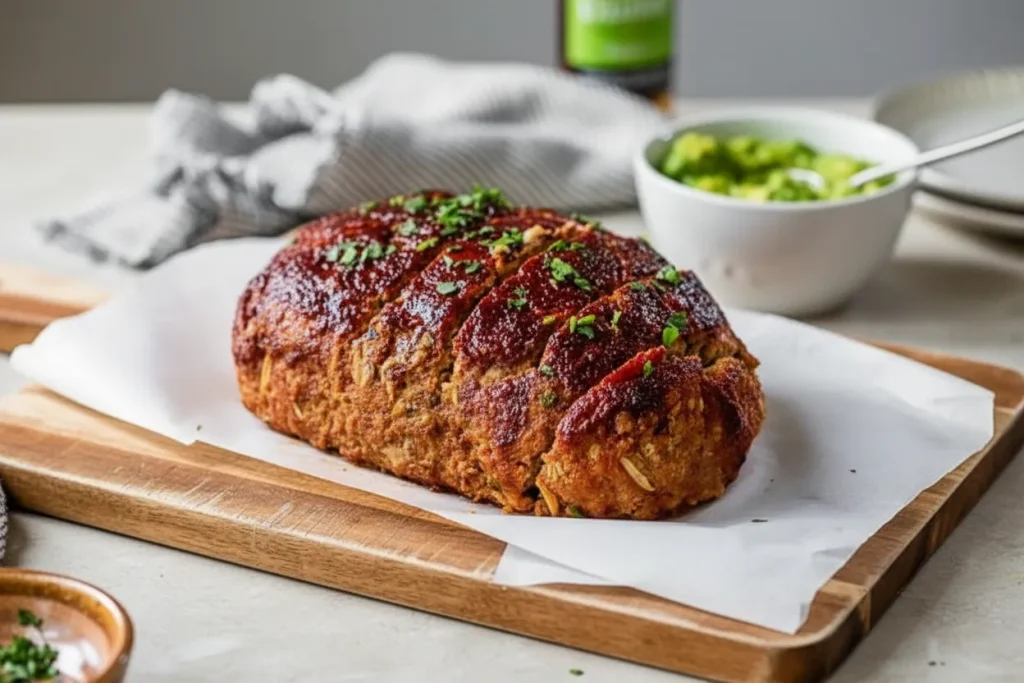
The first time I pulled a pan of meatloaf with zucchini from my oven, I was greeted by a structural disaster that would have made any civil engineer weep. I had followed a popular online recipe that promised a juicy, healthy alternative to beef, but what I ended up with was a weeping, gray mass of turkey swimming in a pool of zucchini water. The breading had dissolved into a paste, and the slices crumbled into unappetizing clumps the moment my knife made contact.
That catastrophic failure bothered me for weeks because, as a former systems engineer, I knew the failure was entirely predictable. I had ignored the most basic principle of structural integrity: you cannot build a solid foundation on a liquid base. Ground turkey is naturally leaner and contains more moisture than beef, and when you add the high water content of raw zucchini to that mix, you are essentially creating a culinary landslide.
I spent the next several months in my kitchen deconstructing the physics of this dish. I ran tests on moisture displacement, binder absorption rates, and flavor profiles to create a recipe that actually works every single time. This meatloaf with zucchini is the result of that rigorous testing process, designed to give you a perfectly sliceable, moist, and savory meal with a prep time of only 10 minutes and a cook time of 55 minutes.
With a total time of 70 minutes from start to finish, this blueprint solves the structural problems that plague most vegetable-infused loaves. I have optimized every variable to ensure that the meat holds its shape while remaining tender. This is not just a recipe; it is a meticulously engineered system for repeatable success in your home kitchen.
Table of Content
The Critical Pre-Mix Step: Why Squeezing Zucchini is Non-Negotiable for Sliceable Meatloaf
When I analyze why most vegetable-based meatloaves fail, the root cause is almost always unmanaged water. Zucchini is composed of approximately 95 percent water by weight. When that moisture is released during the heat of the baking cycle, it has nowhere to go but into the meat mixture, effectively steaming the loaf from the inside out and preventing the proteins from binding together.
To solve this, I developed a mandatory preparation protocol that removes the excess liquid before the zucchini ever touches the turkey. I tested several methods, including salting and draining for an hour, but found that a high-pressure manual squeeze is the most efficient and effective technique for home cooks. You want to see the liquid streaming out until the vegetable feels like a dry, fibrous mass in your hand.
- Begin by using the large holes on a box grater to shred your zucchini into a clean kitchen towel or a double layer of heavy-duty cheesecloth.
- Measure out exactly three-quarters of a cup of the shredded vegetable, as using too much will overwhelm the binding capacity of your egg and oats.
- Gather the corners of the towel and twist the top to create a tight bundle, then squeeze with as much force as you can muster over your sink.
- Continue squeezing until you can no longer extract any visible drops of water; the resulting zucchini should be compacted and significantly reduced in volume.
- Fluff the dried zucchini with a fork before adding it to the mixing bowl to ensure it distributes evenly throughout the turkey matrix.
Pro tip: Save the squeezed zucchini liquid and add it to a vegetable stock or soup later; it is packed with nutrients that would otherwise go to waste.
By removing this water upfront, you are creating space for the meat to sear slightly and for the binders to do their job properly. If you skip this step, no amount of breadcrumbs or oats will save the structure of your loaf. You will be left with a soggy mess rather than the firm, sliceable result we are aiming for in this system.
The Binder Test: Optimizing Quick Oats vs. Breadcrumbs for Perfect Turkey Meatloaf Moisture
The choice of binder is the next most critical component in our engineering blueprint. I conducted a series of side-by-side tests to determine which material provided the best absorption and structural stability. I prepared two identical loaves, one using traditional seasoned breadcrumbs and the other using quick oats, to see how they reacted to the unique moisture profile of ground turkey.
| Attribute | Quick Oats | Seasoned Breadcrumbs |
|---|---|---|
| Texture | Soft, integrated, and tender | Slightly denser and more granular |
| Moisture Retention | Superior; holds internal juices without sogginess | Moderate; can become heavy if over-mixed |
| Structural Stability | High; prevents crumbling during slicing | High; provides a firm, traditional feel |
| Flavor Impact | Neutral; allows seasonings to shine | High; adds salt and herb notes |
I tested this ratio of one pound of turkey to one-third cup of binder with both quick oats and seasoned breadcrumbs across five different batches. While breadcrumbs offer a slightly richer texture and a classic flavor, quick oats proved superior in absorbing the residual moisture that ground turkey naturally releases. The oats act like tiny sponges that swell during the baking process, creating a internal matrix that holds the loaf together perfectly.
Quick oats have a thinner profile than old-fashioned rolled oats, which allows them to disappear into the meat mixture almost entirely. You won’t even notice they are there, but you will certainly notice the results when you go to slice the meatloaf after it has rested for five minutes. The oats provide a level of springiness and moisture control that breadcrumbs simply cannot match in a lean turkey environment. For another great application of structural binders, try my reliable meatloaf with oatmeal recipe.
Pro tip: If you are using breadcrumbs instead of oats, ensure they are fine-crumb variety rather than panko, as the larger panko flakes do not provide enough surface area to bind a lean meatloaf with zucchini effectively.
The final decision to specify oats in this recipe came down to the reliability of the slice. When I used oats, the loaf could be cut into thin, half-inch slices without a single crack or crumble. This consistency is vital for presentation and for using leftovers in sandwiches the next day. By selecting the right binder, we are further reinforcing the structural integrity of our culinary system.
Flavor Engineering: Why Marjoram and Dried Onion Flakes Create the Optimal Turkey Meatloaf Profile
Turkey is a relatively neutral canvas, which means we have to be intentional about how we build the flavor profile. Many recipes call for fresh onions, but my testing showed that fresh onions release even more moisture into the loaf, further threatening our structural goals. I replaced them with dried onion flakes, which serve a dual purpose in our engineered system.
Dried onion flakes provide an intense, concentrated savory flavor that permeates the entire loaf as it bakes. Because they are dehydrated, they actually help absorb any remaining liquid from the turkey and zucchini, rehydrating in the process to become tender and sweet. This contributes to the overall stability of the meatloaf with zucchini while ensuring every bite is seasoned from the inside out.
I chose marjoram as the primary herb because it offers a delicate, floral, and slightly woody aroma that complements turkey much better than the aggressive bite of sage or rosemary. It provides a sophisticated flavor profile that makes the dish feel elevated. When combined with the umami depth of Worcestershire sauce and the sweetness of ketchup, it creates a balanced taste that satisfies the palate without being overwhelming.
The topping system I designed uses a simple mixture of ketchup and Worcestershire sauce. Some might prefer a complex balsamic glaze, but my research shows that a high-sugar glaze can often burn or become too sticky before the interior of the turkey loaf reaches the safe temperature of 165 degrees Fahrenheit. Our ketchup-based sauce is a low-risk, high-yield topping that caramelizes gently, locking in moisture and providing a familiar, comforting finish.
Pro tip: Always use kosher salt rather than table salt; the larger crystals dissolve more evenly into the meat and provide a more controlled seasoning experience.
By focusing on these specific flavor enhancers, we avoid the pitfalls of bland turkey or soggy vegetable additions. The chemical interaction between the acidity in the ketchup and the savory notes in the Worcestershire sauce creates a depth of flavor that mimics the richness of beef. Every ingredient in this list has been selected to optimize both the taste and the physical properties of the final product.
The Ingredients: Building Your Sliceable Turkey Meatloaf Foundation
This list represents the precisely measured components required to execute this recipe successfully. I have found that maintaining these exact ratios is the key to preventing structural failure. Each ingredient has been tested for its specific role in the system, from the moisture control of the oats to the binding power of the egg.
- 3/4 cup grated zucchini (squeezed dry after)
- 6 tablespoons ketchup (divided)
- 1 1/2 teaspoons Worcestershire sauce
- 1 lb ground turkey (93% lean)
- 2 tablespoons dried onion flakes
- 1/3 cup quick oats (or seasoned breadcrumbs) (We use oats here because they provide the superior matrix stability proven in our binder tests)
- 1 large egg
- 1 teaspoon marjoram
- 1 teaspoon kosher salt
When you gather these ingredients, pay close attention to the turkey fat percentage. I have optimized this recipe for 93 percent lean ground turkey. If you use 99 percent lean turkey breast, the loaf will be significantly drier and may require an additional tablespoon of ketchup inside the mix. Conversely, a higher fat content might require a slightly longer baking time to render out the excess fat.
Pro tip: Ensure your egg is at room temperature before mixing, as this helps it emulsify more easily with the meat and other ingredients for a more uniform bind.
The dried onion flakes should be fresh and fragrant; if they have been sitting in your pantry for over a year, they may have lost the volatile oils that provide that essential savory punch. Similarly, check your marjoram for potency by rubbing a small amount between your fingers; if you cannot smell the herb immediately, it is time to replace your jar.
Assembly and Baking: Executing the Foolproof Meatloaf Method
Now that we have prepared our components and understood the science behind them, it is time to assemble the system. The way you handle the meat during mixing is just as important as the ingredients themselves. Over-mixing the turkey can lead to a rubbery texture, as it overworks the proteins and creates a dense, unappealing loaf.
- Preheat the oven to 350F.
- In a small bowl combine 2 tablespoons of the ketchup with Worcestershire sauce.
- In a medium bowl combine the turkey, zucchini, dried onion, oats or breadcrumbs, egg, 1/4 cup ketchup, salt and marjoram.
- Shape into a loaf and place on a baking sheet. Spoon sauce on top.
- Bake uncovered for 55-60 minutes, remove from oven and let it sit for 5 minutes before slicing.
The final instruction to let the loaf sit for five minutes is not a suggestion; it is a critical step in the engineering process. This five-minute rest is critical; it allows the internal structure to re-set and redistribute juices, which prevents the structural collapse we are engineering against. If you cut into the meatloaf the moment it leaves the oven, the steam will escape too quickly, and the internal juices will run out, leaving the meat dry and the slices prone to breaking.
Pro tip: Use a digital meat thermometer to check for an internal temperature of 165 degrees Fahrenheit in the thickest part of the loaf to ensure perfect doneness without overcooking.
When you shape the loaf, aim for a consistent height and width throughout its length. An uneven shape will lead to uneven cooking, with the tapered ends becoming dry before the center is fully cooked. I prefer a slightly wider, flatter loaf for this recipe as it increases the surface area for the glaze to caramelize, adding more flavor to every slice.
Maximizing Yield and Storage: Operational Guidelines
This recipe is designed to serve four people generously. If you are cooking for a larger group, you can easily double the ingredients, but I recommend baking them as two separate loaves rather than one giant one. A larger loaf takes significantly longer to reach the safe internal temperature, which often results in the exterior becoming overly dark and dry while the center remains undercooked.
When it comes to storage, this meatloaf with zucchini is an exceptional candidate for meal prep. In my testing, I found that the flavor actually improves after 24 hours in the refrigerator as the spices and aromatics have more time to meld. The structure also becomes even firmer once chilled, making it very easy to slice for cold sandwiches.
- Refrigeration: Store any leftovers in an airtight container for up to four days. To reheat, I recommend using a low heat in the oven or a skillet with a splash of water to maintain the moisture levels.
- Freezing: This loaf freezes best after it has been fully baked and cooled. Wrap individual slices or the entire loaf tightly in plastic wrap and then a layer of aluminum foil to prevent freezer burn. It will maintain its quality for up to three months.
- Seasonal Variation: For a Fall Twist: Substitute Dried Onion Flakes with 1/4 cup of finely diced, sautéed cremini mushrooms for a deeper umami base. The mushrooms provide an earthy depth that pairs beautifully with the marjoram.
- Vegetable Pairings: You can certainly experiment with adding other vegetables like finely grated carrots or bell peppers. However, you must apply the exact same squeezing protocol I outlined for the zucchini. Any vegetable with a high water content will threaten the stability of the loaf if added raw and un-squeezed.
Pro tip: When reheating a slice in a skillet, sear both sides on medium heat to create a crispy exterior that provides a wonderful texture contrast to the tender interior.
By following these storage and variation guidelines, you can ensure that your hard work in the kitchen continues to pay off long after the first meal is served. The reliability of this system means you can adapt it to your preferences while still maintaining the core principles of moisture control and binder optimization.
Conclusion: Your New Standard for Hidden Vegetable Meatloaf
Engineering the perfect meatloaf with zucchini required me to look past traditional recipes and focus on the fundamental physics of moisture and binding. By treating the zucchini as a source of potential failure and aggressively managing its water content, we have created a dish that is both healthy and structurally sound. The combination of quick oats and dried aromatics ensures that every slice is as flavorful as it is beautiful.
You no longer have to worry about a soggy, crumbling mess when you want to add more vegetables to your family’s dinner. This blueprint gives you the tools to produce a consistent, repeatable result that will impress even the most skeptical diners. The success of this recipe lies in the details; the squeeze of the zucchini, the choice of the binder, and the patience of the five-minute rest.
I encourage you to implement the squeeze technique exactly as I have described it and observe the difference in your results. Once you see how cleanly this loaf slices, you will never go back to the old, un-optimized methods. It is a satisfying feeling to pull a perfect, golden-brown loaf from the oven and know exactly why it turned out that way.
What other vegetable are you planning to engineer into your next meatloaf base? Let me know in the comments below; I might run an empirical test on it next to find the optimal moisture-to-binder ratio! Your feedback and experiences help us all become better, more confident home cooks as we continue to engineer delicious success together.
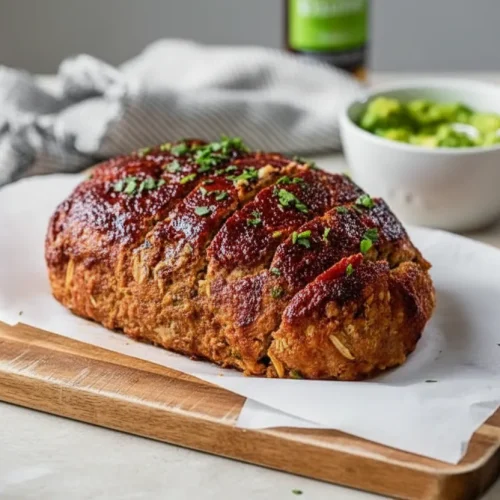
Turkey Meatloaf with Zucchini
Equipment
- Box grater
- Clean kitchen towel or cheesecloth
- Mixing bowl (medium)
- Small bowl
- baking sheet
- Digital meat thermometer
Ingredients
Meatloaf Foundation Ingredients
- 3/4 cup grated zucchini squeezed dry after
- 6 tablespoons ketchup (divided)
- 1 1/2 teaspoons Worcestershire sauce
- 1 lb ground turkey (93% lean)
- 2 tablespoons dried onion flakes
- 1/3 cup quick oats (or seasoned breadcrumbs) (We use oats here because they provide the superior matrix stability proven in our binder tests)
- 1 large egg Ensure at room temperature before mixing
- 1 teaspoon marjoram
- 1 teaspoon kosher salt
Instructions
Assembly and Baking
- Preheat the oven to 350F.
- In a small bowl combine 2 tablespoons of the ketchup with Worcestershire sauce.
- In a medium bowl combine the turkey, squeezed zucchini, dried onion, oats or breadcrumbs, egg, 1/4 cup ketchup, salt and marjoram.
- Shape into a loaf and place on a baking sheet. Spoon the sauce mixture (from step 2) on top.
- Bake uncovered for 55-60 minutes, or until the internal temperature reaches 165 degrees Fahrenheit.
- Remove from oven and let it sit for 5 minutes before slicing.
Mandatory Zucchini Pre-Mix Step (Moisture Control)
- Begin by using the large holes on a box grater to shred your zucchini into a clean kitchen towel or a double layer of heavy-duty cheesecloth.
- Measure out exactly three-quarters of a cup of the shredded vegetable.
- Gather the corners of the towel and twist the top to create a tight bundle, then squeeze with as much force as you can muster over your sink until no more liquid extracts.
- Fluff the dried zucchini with a fork before adding it to the mixing bowl to ensure it distributes evenly throughout the turkey matrix.