The first time I pulled a tray of sourdough empanadas from the oven, I felt a deep sense of frustration. The dough was tough, the edges were hard enough to chip a tooth, and that beautiful tang from the sourdough discard was completely masked by a heavy, greasy aftertaste. As an engineer, I knew the system had failed because the inputs and processes were misaligned. I had followed a standard recipe that called for melted fat, but my testing proved that if I wanted a pastry that shattered like a croissant while remaining sturdy enough to hold a beef filling, I had to rethink the physics of the dough entirely.
Prep Time: 60 minutes Cook Time: 20 minutes Total Time: 80 minutes
I spent the next three weekends deconstructing the relationship between sourdough acidity and fat temperature. I ran side-by-side tests, comparing the traditional warm-fat method against a cold-butter lamination technique I borrowed from French pastry science. The results were undeniable. By treating the sourdough discard as a hydration source rather than just a flavor additive and keeping the butter in distinct, cold chunks, I created a pastry that achieved maximum steam lift. This blueprint is the result of those experiments, designed to give you a technically superior result that balances a tender crumb with a crisp, golden exterior.
The goal was to create a recipe where the acidity of the starter works in tandem with the mechanical layers of the dough. When you bite into one of these, you should hear a distinct crunch followed by the savory aroma of the filling. The process I developed eliminates the guesswork. I moved away from the vague “add water until it looks right” approach and toward a precise, gram-based system. This ensures that every time you make this dish, the hydration levels are perfect, and the pastry remains light rather than leaden.
Table of Content
Engineering the Flaky Pastry: Why Cold Butter and Folding Beats Melted Dough
The physics of a flaky crust depends entirely on the state of the fat when it enters the oven. In my laboratory-style kitchen testing, I compared the standard melted butter approach used in many traditional recipes against a cold-butter lamination process. When butter is melted into the flour, it coats every grain of starch, creating a short, crumbly texture that lacks structural integrity. While this is fine for some cookies, it is a disaster for a hand-held pastry that needs to contain a moist, savory filling without leaking.
| Method | Butter State | Resulting Texture | Complexity |
|---|---|---|---|
| Traditional Competitor | Melted/Liquid | Dense, cracker-like, sturdy but heavy | Low |
| My Optimized System | Cold & Cubed | Shatteringly flaky, light, layered | Medium |
By using cold, half-inch cubes of butter and squishing them into the flour by hand, I created flat shingles of fat. During the baking process, the water within these butter shingles evaporates, creating a burst of steam. This steam pushes the layers of dough apart before the fat melts and the protein sets. The result is a series of microscopic air pockets that provide that signature crunch. If the butter is even slightly too warm, these layers collapse into each other, and you lose the entire benefit of the lamination.
Pro tip: Keep your flour and mixing bowl in the freezer for ten minutes before starting to ensure the butter stays firm throughout the entire mixing process.
The folding step, often called a letter fold, is where the engineering truly happens. By folding the dough over itself, I multiplied those initial butter layers. This creates a reinforced structure that is much stronger than a simple stirred dough. I noticed that after the first fold, the dough changes from a shaggy, dry mess into a supple, organized sheet. This transformation is the visual cue that you have successfully trapped the fat between layers of gluten, setting the stage for a spectacular rise in the oven.
Beyond Waste Reduction: Utilizing Sourdough Discard for Ultimate Flavor and Structure
Many people view sourdough discard simply as a byproduct to be used up, but I treat it as a functional ingredient with specific chemical properties. The acidity in the discard serves two critical roles in this dough. First, it acts as a natural dough conditioner. The lactic and acetic acids produced during fermentation help to break down long gluten strands, which makes the dough much easier to roll out without it snapping back. This tenderizing effect is what prevents these sourdough empanadas from becoming gummy or overly chewy.
When I was developing this specific hydration ratio, I looked at how the sourdough starter interacts with the protein in all-purpose flour. Unlike plain water, discard contains partially fermented flour that adds a depth of flavor that is both nutty and slightly sour. This complex profile cuts through the richness of the beef and butter, providing a balanced palate. If you were to use only water, the crust would taste flat. The discard provides a fermented aroma that fills the kitchen as the pastries bake, a scent reminiscent of a high-end bakery. For a savory contrast, you might also enjoy my ultimate vibrant chimichurri sauce.
To properly make this dough, you must use discard that is at room temperature for mixing but then chilled immediately. I noticed that if the discard is too active or warm, it begins to ferment the dough too quickly, which can lead to a sticky texture that is impossible to laminate. By combining the discard with ice-cold water and a cold egg, I slowed down the biological activity while keeping the chemical acidity present. This allows the dough to rest and hydrate in the refrigerator without becoming over-proofed or overly soft.
Pro tip: Use discard that is at least two days old for the most pronounced flavor profile; younger discard tends to be too mild to stand up to the spices in the filling.
If you are sourcing your discard from a friend or a local bakery, ensure it is a 100 percent hydration starter, meaning it was fed with equal parts flour and water by weight. If the starter is thicker or thinner, it will throw off the precise hydration balance I have engineered here. I have found that a liquid-gold consistency is best for ensuring the discard dissolves completely into the egg and water mixture, preventing any clumps of unmixed starter from appearing in your final pastry.
The Optimized Savory Filling: Achieving Perfect Texture with Pre-Cooked Vegetables and Potatoes
The filling of an empanada is a closed system, which means any moisture or texture issues are trapped inside the dough once it goes into the oven. My initial testing revealed a significant flaw in many recipes: raw or undercooked potatoes. When I followed a one-pot method where everything was simmered together briefly, the potatoes remained unpleasantly crunchy even after the pastry was golden brown. To solve this, I implemented a five-minute initial fry for the diced potatoes in neutral oil. This creates a par-cooked exterior that finishes softening perfectly during the bake.
The visual transition during this frying stage is important. You are looking for the potatoes to turn a pale gold on the edges while remaining firm in the center. Once the carrots and beef are added, the fat from the 80/20 ground beef begins to render, coating the vegetables and intensifying the savory profile. I chose an 80/20 blend specifically because the higher fat content provides the necessary moisture to keep the filling succulent during the high-heat baking process. Using a leaner beef resulted in a dry, crumbly interior that lacked the cohesive mouthfeel I was looking for.
One of the most critical discoveries in my testing was the impact of filling temperature on the dough. I once tried to assemble a batch while the beef mixture was still lukewarm. The heat immediately melted the carefully preserved butter layers in the dough, turning the pastry into a soggy, greasy mess that failed to rise. This is why the filling must be cooled completely. I recommend spreading the filling in a shallow, wide container to maximize surface area, which allows the steam to escape and the temperature to drop rapidly.
Pro tip: Taste your filling once it has cooled slightly but before assembly; flavors often mellow as they cool, and you may want an extra pinch of salt to make the spices pop.
This recipe is optimized for baking rather than frying, which influences how I handled the moisture content of the filling. In a fried empanada, a very wet filling is dangerous because it can cause the dough to burst. In a baked version, we need just enough moisture to create a rich sauce inside. The addition of frozen peas and raisins at the very end provides a burst of sweetness and texture that contrasts the heat of the smoked paprika. The raisins, in particular, hydrate slightly from the beef juices, becoming plump and tender pockets of flavor.
Ingredients for Flaky Sourdough Empanadas
The following list contains the precise measurements required for success. Each component has been weighed to ensure repeatability.
- 113 grams sourdough discard
- 28 grams water (ice cold)
- 1 egg (large)
- 300 grams all-purpose flour
- 1 teaspoon salt
- ½ teaspoon baking powder
- 226 grams unsalted butter (cold and cut into ½-inch cubes)
- 28 grams canola oil (or another neutral-flavored oil)
- 226 grams ground beef (80/20)
- 300 grams Yukon Gold Potato (finely diced)
- 150 grams carrots (finely diced)
- 75 grams raisins
- 60 grams peas (frozen)
- 1 teaspoon Watkins Organic Smoked Paprika
- 1 teaspoon Watkins Organic Garlic Powder
- 1 teaspoon Watkins Organic Whole Black Peppercorns (freshly-ground)
- 2 teaspoons salt (or more to taste)
- 1 egg (for wash)
- ⅛ teaspoon salt (for wash)
I tested this filling with the ground beef cooked only until no longer pink without pre-frying the potatoes. The result was crunchy, unevenly cooked potatoes inside the pastry. That’s why this recipe mandates the 5-minute initial fry for the potatoes before adding the meat—it’s a crucial step for textural consistency. The use of fresh-ground black peppercorns also makes a significant difference in the aromatic profile of the finished dish, providing a sharp bite that pre-ground pepper simply cannot match.
Step-by-Step Instructions for Assembly and Baking
Success in this recipe is found in the details of the execution. Follow these steps exactly as outlined to maintain the integrity of the laminated dough.
- In a small bowl, combine your sourdough discard, water and egg. Mix until your starter is completely dissolved and no traces of egg remain. Set aside and keep the mixture cold until ready to use.
- Place flour, baking powder and salt in a large bowl, toss butter in flour mixture until all butter pieces are coated. Squish the butter pieces with your fingers. Your butter should be well coated and you’ll have pieces of varying sizes, from walnut to pea-sized.
- Create a well in the center of the flour and butter mixture, pour the starter mixture in the center. Using a spatula, lightly mix your dough. Then using your hands, begin bringing the dough together with a light kneading motion, just until the mixture sticks together.
- Turn your dough out onto a large piece of plastic wrap and bring your dough together into a disc. Wrap the dough and place it into the refrigerator for 30 minutes. This rest period will allow your butter to cool down and your flour to fully hydrate.
- Place your dough on a lightly-floured surface. Using a rolling pin flatten your dough out to roughly a 10 by 12-inch rectangle (the measurement doesn’t need to be exact). Fold the shorter edges towards the middle like a letter.
- Wrap your dough in plastic wrap and refrigerate for at least 2 hours or overnight before assembling your empanada. This extensive chilling time is non-negotiable; it ensures the butter re-solidifies perfectly after folding, guaranteeing maximum steam lift during baking and preventing dough slumping.
- Heat your oil up in a large skillet over medium high heat. Fry the potatoes in the skillet for 5 minutes, stirring so they cook evenly. Add carrots and ground beef into your skillet, stirring occasionally until the meat has browned, about 5 to 10 minutes. Stir in the spices.
- Once the vegetables are tender, add in the raisins and frozen peas. Check your filling for seasoning and move your filling into a heat proof container.
- Allow your filling to cool completely before assembling your empanada, warm filling will melt the butter in your dough!
- Preheat your oven to 400 F. Line two 9 by 13 baking sheets with parchment paper.
- Divide the dough into 12 equal portions, about 58 grams each. Round each portion of dough into a ball, place each dough ball on a baking sheet and cover with plastic wrap. Refrigerate the dough for 15 minutes before proceeding.
- Working with 1 portion at a time, use a rolling pin to flatten the dough into a 6-inch disc. Add 3 tablespoons of filling to half of your dough. Wrap dough around your filing, lining up the edges. You can trim off any excess using a pizza cutter or a knife. Using a fork, crimp and seal the edges of the dough.
- Place the unbaked empanada on your baking sheet and refrigerate while you shape the remaining dough portions.
- Position your empanadas on your baking sheet at least 1 inch apart. Combine the egg wash ingredients. Using a pastry brush, lightly brush the empanada with egg wash.
- Bake the empanadas until they are golden brown, about 15 to 20 minutes. Remove the baking sheets from the oven and carefully place your empanadas on a wire rack to cool slightly.
- Empanadas are best enjoyed fresh out of the oven. Store any leftovers in an airtight container in the refrigerator for up to 1 week.
- Heat up in a parchment-lined baking sheet in a 350 F oven for 10 to 15 minutes.
Pro tip: When crimping the edges with a fork, dip the fork tines into a little bit of flour between each press to prevent them from sticking to the dough and tearing the seal.
Essential Practical Details: Yield, Storage, and Reheating
Efficient kitchen management is just as important as the cooking process itself. This recipe is designed to be a reliable system for meal prep or entertaining, provided you handle the storage and reheating with care.
- Yield: This recipe makes 12 large empanadas, each weighing approximately 58 grams of dough plus filling.
- Storage Instructions: Once fully cooled, the baked pastries can be stored in an airtight container in the refrigerator for up to 1 week. I recommend placing a piece of parchment paper between layers to prevent the crusts from softening against each other.
- Freezing Instructions (Unbaked): Place the assembled, unbaked pastries on a baking sheet in the freezer for two hours until frozen solid. Transfer to a heavy-duty freezer bag for up to 3 months. Bake directly from frozen at 375 F, adding 5 to 8 minutes to the total baking time.
- Freezing Instructions (Baked): Allow the pastries to cool completely to room temperature. Wrap each one individually in plastic wrap and store in a freezer bag. This prevents freezer burn and allows you to grab a single portion as needed.
- Reheating Instructions: To maintain the integrity of the laminated crust, always use the oven. Place the pastries on a parchment-lined baking sheet and heat at 350 F for 10 to 15 minutes. Avoid the microwave, as it will turn the flaky layers into a soft, rubbery mess.
Common mistakes often stem from impatience. The most frequent error I see is skipping the refrigeration steps. If the dough is not chilled after mixing, after folding, and after shaping, the butter will lose its distinct structure. Another common pitfall is over-filling the dough. While it is tempting to pack as much beef as possible into each pocket, three tablespoons is the structural limit. Anything more will put too much pressure on the seams, causing them to burst and leak juices all over your baking sheet.
Pro tip: If your dough feels too soft or sticky while you are rolling it out into discs, stop immediately and put it back in the refrigerator for ten minutes. A cool dough is a successful dough.
My testing also showed that the quality of the egg wash matters. I use a pinch of salt in the egg wash because it helps break down the protein in the egg white, leading to a much smoother, more even application. This results in a deep, glossy golden brown finish rather than a patchy or streaky appearance. It is a small detail that elevates the final look of the dish from home-cooked to professional.
Conclusion: Mastering the Engineered Empanada
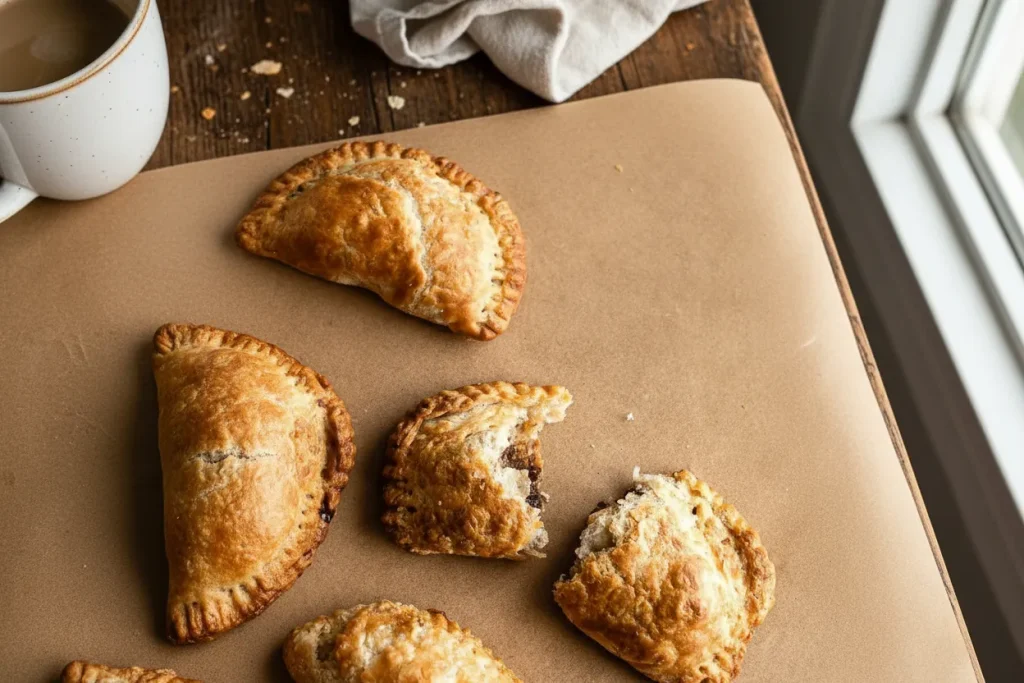
Mastering these sourdough empanadas is about more than just following a list of steps; it is about understanding how fat, flour, and acidity interact to create texture. The real secret to that shatteringly crisp exterior isn’t a special oven or a secret ingredient, but the disciplined application of cold butter and intentional folding. When you pull these from the oven and see those distinct, golden layers, you are seeing the direct result of a well-engineered culinary system.
The use of sourdough discard transforms what could be a simple pastry into a complex, savory experience. The tang of the dough paired with the warmth of the smoked paprika and the sweetness of the raisins creates a flavor profile that is both sophisticated and deeply satisfying. I spent a long time refining this process because I believe that even the most humble hand-held snack deserves the same level of technical precision as a complex cake or loaf of bread.
I encourage you to embrace the lamination process. Don’t be intimidated by the folding or the chilling times; these are the critical control points that ensure your success. Once you experience the difference that cold-butter lamination makes, you will never want to go back to the standard melted-fat methods. I would love to hear about your results in the comments. Did you achieve that audible crunch when you took your first bite? Did the sourdough tang come through exactly as you hoped? Let’s continue to engineer better results in the kitchen together.
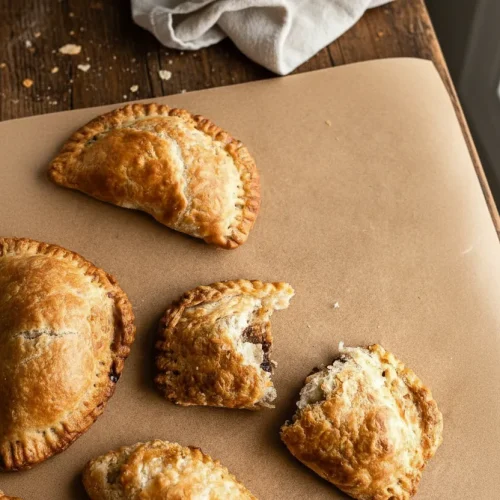
Filipino Beef Empanadas with Flaky Sourdough Crust
Equipment
- Small bowl
- Large mixing bowl
- Plastic wrap
- Rolling Pin
- Large skillet
- Heat proof container
- 9 by 13 baking sheets
- Parchment paper
- pastry brush
- wire rack
Ingredients
For the Flaky Sourdough Pastry Dough
- 113 grams sourdough discard
- 28 grams water ice cold
- 1 egg
- 300 grams all-purpose flour
- 1 teaspoon salt
- 0.5 teaspoon baking powder
- 226 grams unsalted butter cold and cut into ½-inch cubes
For the Optimized Savory Filling
- 28 grams canola oil or another neutral-flavored oil
- 226 grams ground beef 80/20
- 300 grams Yukon Gold Potato finely diced
- 150 grams carrots finely diced
- 1 teaspoon Watkins Organic Smoked Paprika
- 1 teaspoon Watkins Organic Garlic Powder
- 1 teaspoon Watkins Organic Whole Black Peppercorns freshly-ground
- 2 teaspoons salt or more to taste
- 75 grams raisins
- 60 grams peas frozen
For Assembly and Egg Wash
- 1 egg for wash
- 0.125 teaspoon salt for wash
Instructions
Preparing the Dough Ingredients
- In a small bowl, combine your sourdough discard, water and egg. Mix until your starter is completely dissolved and no traces of egg remain. Set aside and keep the mixture cold until ready to use.
- Place flour, baking powder and salt in a large bowl, toss butter in flour mixture until all butter pieces are coated. Squish the butter pieces with your fingers. Your butter should be well coated and you’ll have pieces of varying sizes, from walnut to pea-sized.
- Create a well in the center of the flour and butter mixture, pour the starter mixture in the center.
- Using a spatula, lightly mix your dough. Then using your hands, begin bringing the dough together with a light kneading motion, just until the mixture sticks together.
- Turn your dough out onto a large piece of plastic wrap and bring your dough together into a disc. Wrap the dough and place it into the refrigerator for 30 minutes. This rest period will allow your butter to cool down and your flour to fully hydrate.
Laminating and Chilling the Dough
- Place your dough on a lightly-floured surface. Using a rolling pin flatten your dough out to roughly a 10 by 12-inch rectangle (the measurement doesn’t need to be exact). Fold the shorter edges towards the middle like a letter (letter fold).
- Wrap your dough in plastic wrap and refrigerate for at least 2 hours or overnight before assembling your empanada. This extensive chilling time is non-negotiable; it ensures the butter re-solidifies perfectly after folding, guaranteeing maximum steam lift during baking and preventing dough slumping.
Preparing the Savory Filling
- Heat your oil up in a large skillet over medium high heat.
- Fry the potatoes in the skillet for 5 minutes, stirring so they cook evenly. Add carrots and ground beef into your skillet, stirring occasionally until the meat has browned, about 5 to 10 minutes.
- Stir in the spices (smoked paprika, garlic powder, freshly-ground peppercorns, and 2 teaspoons of salt).
- Once the vegetables are tender, add in the raisins and frozen peas. Check your filling for seasoning and move your filling into a heat proof container.
- Allow your filling to cool completely before assembling your empanada; warm filling will melt the butter in your dough!
Assembly and Baking
- Preheat your oven to 400 F. Line two 9 by 13 baking sheets with parchment paper.
- Divide the dough into 12 equal portions, about 58 grams each. Round each portion of dough into a ball, place each dough ball on a baking sheet and cover with plastic wrap. Refrigerate the dough for 15 minutes before proceeding.
- Working with 1 portion at a time, use a rolling pin to flatten the dough into a 6-inch disc.
- Add 3 tablespoons of cooled filling to half of your dough disc.
- Wrap dough around your filling, lining up the edges. You can trim off any excess using a pizza cutter or a knife. Using a fork, crimp and seal the edges of the dough.
- Place the unbaked empanada on your baking sheet and refrigerate while you shape the remaining dough portions.
- Position your empanadas on your baking sheet at least 1 inch apart.
- Combine the egg wash ingredients (1 egg and ⅛ teaspoon salt). Using a pastry brush, lightly brush the empanada with egg wash.
- Bake the empanadas until they are golden brown, about 15 to 20 minutes. Remove the baking sheets from the oven and carefully place your empanadas on a wire rack to cool slightly.