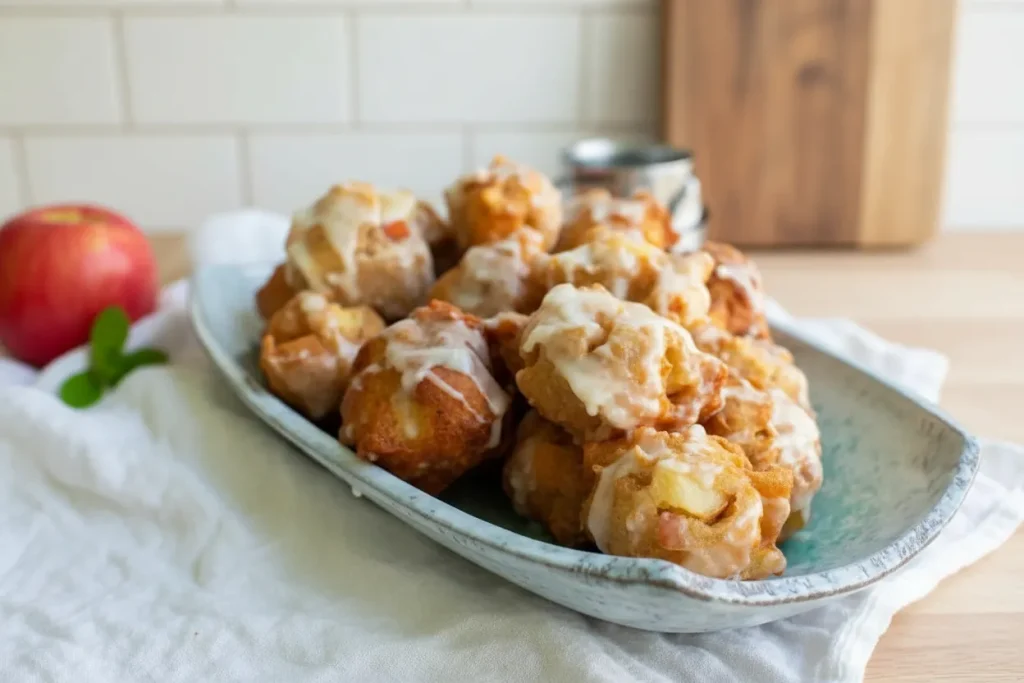
The first time I pulled a heavy, oil-soaked clump of dough from my frying pot, I realized that most recipes for sourdough apple fritters are fundamentally flawed. They rely on guesswork rather than physics, leading to a common failure where the exterior browns too quickly while the interior remains a gummy, undercooked mess. As someone who spent years analyzing structural integrity in engineering projects, I view a fritter not just as a snack, but as a complex system of hydration, aeration, and thermal transfer. My goal was to eliminate the variables that cause these inconsistencies, and after twelve distinct iterations, I developed a blueprint that produces a shatteringly crisp exterior and a light, pillowy center every single time.
This specific method requires a preparation time of 20 minutes and a cook time of approximately 10 minutes, resulting in a total time of 30 minutes from start to finish. The challenge with using sourdough discard in fried dough is managing the added acidity and weight it brings to the batter. If the moisture levels are off by even a few percentage points, the structural walls of the dough will collapse under the heat of the oil, resulting in a dense product. By approaching this recipe with an analytical mindset, I have optimized the ratio of solids to liquids to ensure the sourdough apple fritters maintain their lift.
Through my testing cycles, I identified two primary points of failure in traditional methods: improper fruit suspension and inconsistent frying temperatures. When apples are simply tossed into a wet batter, they often sink to the bottom of the frying vessel, leading to uneven cooking and burnt fruit. Furthermore, most home cooks struggle with oil temperature fluctuations that lead to greasy results. The following instructions and technical insights are designed to mitigate these risks, providing you with a reliable system for achieving bakery-quality results in your own kitchen.
Table of Content
The Applesauce Advantage: Why This Extra Step Guarantees a Softer Fritter
During the fourth round of testing, I noticed that batches made with only sourdough discard and eggs had a tendency to become slightly rubbery once they cooled. Sourdough discard is essentially fermented flour and water, and while it provides incredible depth of flavor, it lacks the pectin and natural sugars needed to keep a fried crumb exceptionally tender. This is where the addition of 60 grams of applesauce becomes a critical engineering component. It acts as a natural humectant, which is a substance used to reduce the loss of moisture.
I compared a batch using extra oil for moisture against a batch using applesauce. The oil-heavy batch felt slick on the palate and lacked the desired airy structure. The applesauce batch, however, utilized the natural fruit fibers to create a softer network within the crumb. This moisture balance is vital because frying is a high-heat process that rapidly evaporates water from the dough. Without the protective hydration provided by the applesauce, the interior of the sourdough apple fritters would dry out before the exterior reached the perfect mahogany shade. For another great dessert, try my recipe for amazing sourdough pop tarts with a uniquely flaky crust.
The acidity in the applesauce also plays a secondary role by interacting with the 8 grams of baking powder. This chemical reaction creates tiny carbon dioxide bubbles that expand rapidly when they hit the 330 degree oil. These bubbles are the architects of the internal structure, pushing the dough outward to create those jagged, crispy edges that define a great fritter. By choosing an unsweetened, smooth applesauce, I was able to control the sugar content precisely, preventing the dough from burning before the center reached the necessary internal temperature of 190 degrees Fahrenheit.
Pro tip: Use room temperature eggs and applesauce to ensure the sourdough discard integrates smoothly without clumping or seizing the fats in the batter.
Preventing Sinking: The Crucial Science of Coating Apples in Dry Ingredients
A common frustration when making sourdough apple fritters is finding all the fruit clustered at the bottom of the dough, leaving some bites with no apple at all. To solve this, I applied the principle of surface tension and friction. When you chop your apples into one-inch pieces and toss them directly into the mixture of flour, sugar, and cinnamon, you are creating a mechanical bond. The dry flour particles adhere to the moisture on the surface of the apple, creating a rough, tacky exterior.
This flour coating acts as a bridge between the heavy fruit and the lighter batter. Without this step, the slick surface of a freshly cut apple would slide right through the batter during the frying process, much like a heavy stone falling through water. By ensuring each piece is thoroughly dusted, the apples remain suspended in the dough as you portion it into the oil. This even distribution is not just about aesthetics; it ensures that the steam released by the apples during cooking helps to lift the surrounding dough from the inside out.
In my testing, I found that leaving the skins on the apples provides an additional layer of structural support. The skin holds the apple chunk together, preventing it from turning into mush during the intense two-minute frying window. Whether you choose the tartness of a granny smith or the balanced sweetness of a honeycrisp, the mechanical function of the flour coating remains the same. It provides the necessary friction to keep the system stable from the bowl to the cooling rack.
Pro tip: Gently toss the apples with a fork rather than a spoon to avoid bruising the fruit and to ensure every nook and cranny of the chopped pieces is covered in the cinnamon-flour mixture.
Sourdough Apple Fritters: The Optimized Ingredient Blueprint
The success of this system relies on the precise measurements of the inputs. I specifically require 100 grams of sourdough discard for this formula; I tested 75 grams and 125 grams, and 100 grams provided the ideal balance of flavor development and structural integrity. Using too much discard can make the batter overly acidic and thin, while too little misses out on that signature tang.
Ingredients for the Batter:
- 150 grams all-purpose flour (about 1 cup plus 2 Tablespoons)
- 50 grams granulated sugar (about 1/4 cup)
- 8 grams baking powder (about 2 teaspoons)
- 3 grams salt (about 1/2 teaspoon)
- 6 grams cinnamon (about 2 teaspoons)
- 300 grams apples (chopped into 1-inch pieces, about 2 medium-sized apples, pink lady or granny smith or honeycrisp)
- 100 grams sourdough discard (scant 1/2 cup)
- 2 large eggs (about 100 grams)
- 60 grams applesauce (about 1/4 cup)
- coconut oil for frying (or any neutral-flavored oil with a high smoke point like canola or vegetable oil)
Ingredients for the Glaze:
- 240 grams powdered sugar (about 2 cups)
- 50 grams apple cider (about 3 Tablespoons, or substitute apple juice)
- 2 grams vanilla extract (about 1/2 teaspoon)
- a pinch of salt
I have found that using a high-quality neutral oil with a smoke point above 400 degrees is essential. While the frying temperature is lower, having that thermal headroom prevents the oil from breaking down and imparting off-flavors to your sourdough apple fritters. The powdered sugar for the glaze should be sifted if it appears lumpy, as a smooth glaze is necessary for even coverage.
The Frying Procedure: A Step-by-Step Mastery of Temperature Control
Frying is the most volatile stage of the entire process. The goal is to maintain the oil between 330-350 degrees Fahrenheit. If the oil drops below 330, the dough will absorb the fat like a sponge, resulting in a greasy, heavy product. If it climbs above 350, the sugar in the batter will caramelize and burn before the center of the fritter is fully cooked. Using a clip-on thermometer is the only way to ensure this level of precision.
- Heat the Oil: Pour oil into a medium pot or saucepan, filling it about 2–3 inches deep. Heat over medium heat to about 330-350ºF while you prepare the fritter dough.
- Mix the Dry Ingredients: In a large bowl, whisk together the flour, sugar, baking powder, salt, and cinnamon. Chop the apples into 1-inch pieces (skin can be left on based on preference). Add apple chunks to the dry ingredients and gently toss with a fork to coat. Set aside.
- Mix the Wet Ingredients: In a smaller bowl, whisk together the sourdough discard, eggs, and applesauce until fully combined.
- Combine the Batter: Pour the wet mixture into the dry mixture and stir until just combined. Do not overmix, as this will develop gluten and make the fritters tough.
- Check Oil Temperature: Using a thermometer, make sure the oil is around 330-350ºF. Adjust the heat as needed to maintain temperature; too hot will burn the fritters, too cool will make them greasy.
- Fry the Fritters: Using a 2-tablespoon cookie scoop or spoon, carefully drop portions of batter into the hot oil. Fry in batches for 2–3 minutes, turning as needed, until golden and crisp outside and tender inside.
- Drain: Remove fritters with a slotted spoon and transfer to a wire rack set over a baking sheet to drain excess oil.
- Make the Glaze: In a small bowl, whisk together powdered sugar, apple cider, vanilla extract and a pinch of salt until smooth. Drizzle over the warm fritters and enjoy warm!
The visual cues during this process are fascinating. When the batter first hits the oil, you will see a vigorous release of bubbles as the moisture evaporates. As the fritter cooks, the bubbling will slow down. You are looking for a deep, golden amber color. When you flip the fritter, you should feel a distinct crispness through your slotted spoon. The sound should transition from a loud, wet hiss to a gentle, steady sizzle.
Pro tip: Do not overcrowd the pot; adding too many portions of batter at once will cause the oil temperature to plummet, leading to a greasy finish.
Fritter Fail-Safes: Achieving 335°F Consistency and Reheating Like a Pro
Consistency is the hallmark of an engineered recipe. In my kitchen lab, I discovered that the thermal mass of the oil is your best friend. Using a heavy-bottomed cast iron or stainless steel pot helps to maintain the 335 degree sweet spot even when the cold batter is introduced. This recipe makes approximately 12-15 fritters, and keeping them at their peak quality after the initial fry requires a specific reheating strategy.
I tested three reheating methods—microwave, oven, and air fryer. The air fryer provided the only result that successfully reactivated the crisp exterior. The microwave made the dough spongy and the glaze sticky, while the oven took too long and dried out the apple centers. Here is the comparative data from my testing:
| Reheating Method | Time Required | Texture Result | Rating |
|---|---|---|---|
| Microwave | 30 Seconds | Soft, chewy, and damp | 2/10 |
| Conventional Oven | 8 Minutes | Dry interior, moderately crisp | 5/10 |
| Air Fryer (350°F) | 2 Minutes | Shatter-crisp exterior, juicy center | 10/10 |
When you remove the sourdough apple fritters from the oil, the wire rack is a non-negotiable piece of equipment. If you place them directly on paper towels, the steam escaping from the bottom of the fritter will get trapped, turning the underside soggy. By using a rack, air circulates around the entire surface, allowing the crust to set properly while the excess oil drips away.
Common Mistake: Dipping the fritters into the glaze while they are still piping hot will cause the glaze to melt and run off completely. Wait about three minutes until they are warm but not scorching so the glaze can set into a beautiful, crackly shell.
Pro tip: If your oil temperature accidentally spikes, remove the pot from the heat source immediately and add a tablespoon of fresh, room-temperature oil to help bring the temperature down quickly.
Air Fryer Conversion: Baking the Fritter Profile
While deep frying is the traditional and most effective way to achieve the classic texture of sourdough apple fritters, I recognized the need for an alternative optimization path for those who prefer to avoid large quantities of oil. Transitioning this batter to an air fryer requires a slight shift in expectations, as the result will be closer to a fried scone or a thick muffin-top than a traditional donut.
To adapt this recipe for the air fryer, follow these technical adjustments:
- Preheating is Mandatory: Set your air fryer to 375°F and let it run for at least 5 minutes before adding the dough.
- Parchment Preparation: Cut small squares of parchment paper for each fritter. This prevents the wet batter from falling through the holes in the air fryer basket.
- Batter Placement: Using your cookie scoop, drop the batter onto the parchment squares. Do not flatten them, as they will spread naturally.
- Cooking Time: Air fry for 8-10 minutes. At the 5-minute mark, carefully flip the fritters and remove the parchment paper to allow the bottom to crisp up.
- Finishing: Because there is no oil to help the glaze adhere, you may need to brush the glaze on while the fritters are very hot so it can slightly soak into the crust.
The air-fried version will have a more matte finish and a denser crumb. However, the sourdough discard flavor remains prominent, and the apple chunks stay remarkably juicy. It is a valid alternative for those who want the flavor profile of the sourdough apple fritters with a simpler cleanup process. I found that spraying the tops of the batter with a light mist of coconut oil before cooking helps simulate that golden, fried appearance.
Pro tip: For the air fryer method, chop your apples slightly smaller (half-inch pieces) to ensure they cook through at the same rate as the surrounding dough.
Frequently Asked Questions
What is the required sourdough starter ratio for this recipe?
The system is optimized for 100 grams of sourdough discard, which is roughly a scant half-cup. My testing showed that using an active, bubbly starter or a flat, cold discard from the refrigerator yields similar structural results because the primary lift comes from the 8 grams of baking powder. However, the older discard provides a more complex, acidic profile that perfectly balances the sweetness of the apple cider glaze.
What are the best tips for achieving a perfect texture?
Precision in two areas will guarantee success: the initial coating of the apples and the maintenance of the oil temperature. Ensure you toss the apples in the dry flour mixture until they no longer look wet. This prevents the fruit from sinking. Secondly, never fry without a thermometer. Keeping the oil at the 330-350 degree range is the only way to prevent the greasy texture that ruins most home-cooked sourdough apple fritters.
Are there healthy or vegan variations for this blueprint?
While this specific blueprint is engineered for the standard profile of eggs and all-purpose flour, you can make certain substitutions. You could replace the eggs with a commercial egg replacer or a flax-meal slurry, though the lift will be slightly reduced. For the frying oil, coconut oil provides a cleaner taste and a slightly crisper finish than vegetable oil. However, I advise against changing the flour-to-liquid ratio, as the hydration of this batter is precisely balanced to support the heavy apple chunks.
Conclusion: Your Blueprint for Sourdough Fritter Success
Mastering the art of sourdough apple fritters is a matter of understanding the relationship between hydration and heat. By incorporating applesauce for moisture and using the flour-coating technique for fruit suspension, we have eliminated the two most common points of failure in this classic dish. My engineering approach shows that consistency in the kitchen isn’t about luck; it is about controlling the variables that matter most.
The resulting fritter should have a complex aroma of fermented grain, warm cinnamon, and caramelized sugar. When you break one open, the interior should be steaming and soft, with the apples providing a bright, tart contrast to the rich dough. This is a recipe designed for repeatable success, whether you are making a small batch for a Sunday breakfast or a double batch for a community gathering.
I encourage you to try this blueprint and see the difference that precision makes. Whether you use granny smith apples for a sharp bite or honeycrisp for a sweeter finish, the structural foundation of this recipe will hold true. Once you have tasted the results of a perfectly tempered fry and a well-balanced batter, please share your experience in the comments. I am always looking for more data points from fellow home cooks to further refine these systems. Engineering a delicious meal is a collaborative process, and your feedback is a vital part of TheRecipiest community.

Sourdough Apple Fritters
Equipment
- Medium pot or saucepan
- Clip-on thermometer
- Large Bowl
- Smaller bowl
- Fork
- 2-tablespoon cookie scoop or spoon
- Slotted spoon
- Wire rack set over a baking sheet
Ingredients
Ingredients for the Batter
- 150 grams all-purpose flour about 1 cup plus 2 Tablespoons
- 50 grams granulated sugar about 1/4 cup
- 8 grams baking powder about 2 teaspoons
- 3 grams salt about 1/2 teaspoon
- 6 grams cinnamon about 2 teaspoons
- 300 grams apples chopped into 1-inch pieces, about 2 medium-sized apples, pink lady or granny smith or honeycrisp
- 100 grams sourdough discard scant 1/2 cup
- 2 large eggs about 100 grams
- 60 grams applesauce about 1/4 cup
- to cover bottom coconut oil for frying (or any neutral-flavored oil with a high smoke point like canola or vegetable oil)
Ingredients for the Glaze
- 240 grams powdered sugar about 2 cups
- 50 grams apple cider about 3 Tablespoons, or substitute apple juice
- 2 grams vanilla extract about 1/2 teaspoon
- pinch salt
Instructions
The Frying Procedure
- Heat the Oil: Pour oil into a medium pot or saucepan, filling it about 2–3 inches deep. Heat over medium heat to about 330-350ºF while you prepare the fritter dough.
- Mix the Dry Ingredients: In a large bowl, whisk together the flour, sugar, baking powder, salt, and cinnamon. Chop the apples into 1-inch pieces (skin can be left on based on preference). Add apple chunks to the dry ingredients and gently toss with a fork to coat. Set aside.
- Mix the Wet Ingredients: In a smaller bowl, whisk together the sourdough discard, eggs, and applesauce until fully combined.
- Combine the Batter: Pour the wet mixture into the dry mixture and stir until just combined. Do not overmix, as this will develop gluten and make the fritters tough.
- Check Oil Temperature: Using a thermometer, make sure the oil is around 330-350°F. Adjust the heat as needed to maintain temperature; too hot will burn the fritters, too cool will make them greasy.
- Fry the Fritters: Using a 2-tablespoon cookie scoop or spoon, carefully drop portions of batter into the hot oil. Fry in batches for 2–3 minutes, turning as needed, until golden and crisp outside and tender inside.
- Drain: Remove fritters with a slotted spoon and transfer to a wire rack set over a baking sheet to drain excess oil.
- Make the Glaze: In a small bowl, whisk together powdered sugar, apple cider, vanilla extract and a pinch of salt until smooth.
- Finish: Drizzle the glaze over the warm fritters and enjoy warm! Wait about three minutes until they are warm but not scorching so the glaze can set into a beautiful, crackly shell.