My journey to the perfect mushroom pasta started, unexpectedly, with a failed attempt to grow my own shiitake mushrooms. The effort was a flop, but the consolation prize was a newfound appreciation for the incredible depth of flavor different fungi offer. I discovered an entirely new level of umami just waiting to be unlocked.
This recipe is the culmination of that discovery, engineered for absolute perfection. I’ve meticulously tested every variable, from the type of mushroom to the ratio of pasta water, ensuring a consistently delicious result every time.
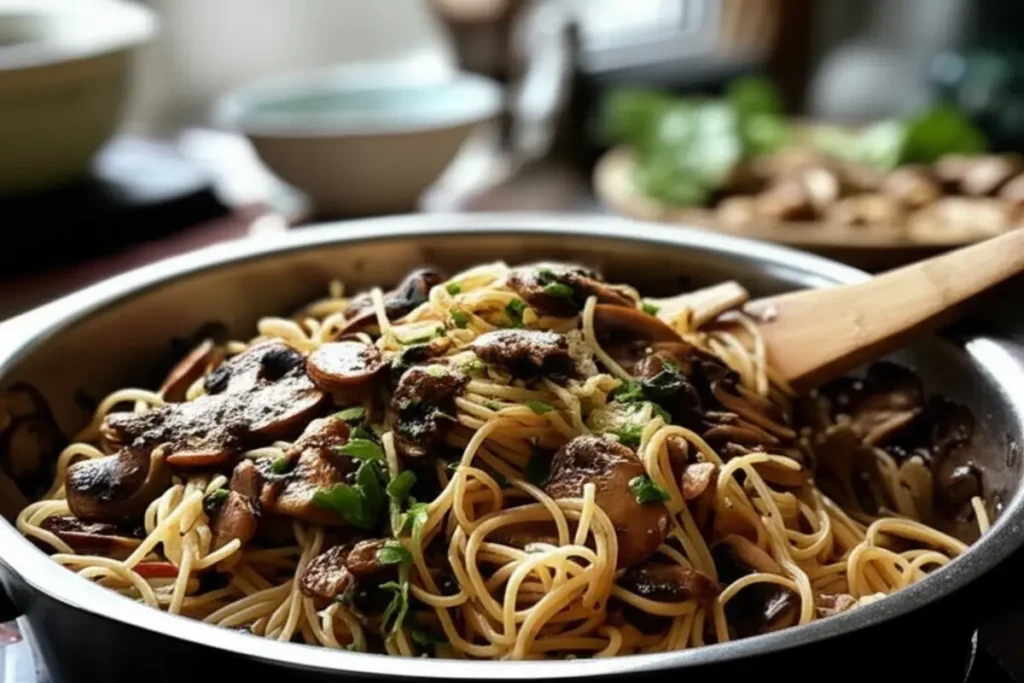
Imagine this: tender strands of pasta, coated in a rich, savory sauce, studded with golden-brown mushrooms. The earthy aroma of cremini blends seamlessly with the delicate sweetness of oyster mushrooms, all brought together by a hint of garlic and a generous dusting of Parmesan. That’s the experience I’ve strived to create.
And the best part? It all comes together in about 25 minutes.
- Prep Time: 10 mins
- Cook Time: 15 mins
- Total Time: 25 mins
Now, I know what you might be thinking: mushroom pasta is a simple dish, right? Well, I’ve learned that the secret to truly exceptional mushroom pasta lies in understanding the nuances of each ingredient. Let’s dive deeper into the world of fungi and explore how different varieties can elevate this dish from simple to sublime.
Table of Content
Beyond Button Mushrooms: An Exploration of Fungi for the Best Mushroom Pasta
As I mentioned, my early mushroom experiments opened my eyes to a world beyond the standard button mushroom. Different varieties offer unique textures and flavor profiles that can transform a simple pasta dish into a culinary experience. I quickly learned that not all mushrooms are created equal, and choosing the right ones is key.
Through countless trials, I’ve found that blending different mushrooms creates the most complex and satisfying flavor. Each type brings something unique to the table.
| Mushroom | Flavor Profile | Texture | Best Use in Pasta |
|---|---|---|---|
| Button | Mild, earthy | Firm, smooth | Good base, but needs other mushrooms for depth |
| Cremini | Richer, more earthy than button | Firmer than button | My go-to for overall flavor |
| Shiitake | Savory, umami, slightly smoky | Chewy, slightly woody stem | Adds depth and complexity |
| Oyster | Delicate, slightly sweet, seafood-like | Soft, velvety | Complements earthier mushrooms |
| Portobello | Meaty, earthy | Dense, firm | Hearty, substantial flavor |
| Morel | Nutty, earthy, smoky (seasonal and expensive) | Honeycomb-like, tender | Adds gourmet touch (if you’re feeling fancy) |
For this particular pasta recipe, I prefer a mix of cremini, shiitake, and oyster mushrooms. The cremini provides a solid earthy base, the shiitake adds a savory depth, and the oyster mushrooms contribute a delicate sweetness that balances the other flavors.
One thing I discovered early on is that the texture is just as important as the flavor. The combination of firmer cremini with the softer oyster mushrooms creates a delightful contrast in each bite. I urge you to explore your local farmers’ market or specialty store and experiment with different combinations to find your perfect blend. Mushrooms are also known to be low in calories and fat, and they contain modest amounts of fiber and various nutrients.
Vegan Creaminess: The Cashew Cream Hack for a Healthier Mushroom Pasta
My exploration of mushrooms didn’t stop at varieties; I also experimented with ways to make this dish healthier without sacrificing flavor or that luxurious creamy texture we all crave in a pasta. And that’s when I discovered the magic of cashew cream.
While this particular recipe doesn’t call for it, I consider cashew cream my secret weapon for a healthier, vegan-friendly alternative to traditional dairy cream sauces. The beauty of cashew cream lies in its simplicity. Soak raw cashews in hot water for at least 30 minutes (or even better, overnight). Then, drain and blend them with fresh water until incredibly smooth.
I’ve found that a high-speed blender works best to achieve that truly velvety texture. Depending on your preference, you can also add a squeeze of lemon juice, a clove of garlic, or a pinch of salt to enhance the flavor.
| Ingredient | Amount | Purpose |
|---|---|---|
| Raw Cashews | 1 cup | Base for creaminess |
| Hot Water | 1-2 cups | Soaking and blending |
| Lemon Juice | 1 tsp (optional) | Brightness and flavor enhancement |
| Garlic | 1 clove (optional) | Savory depth |
| Salt | Pinch (optional) | Balances flavors |
What I love most is how seamlessly cashew cream integrates into pasta dishes. I’ve used it to replace heavy cream in everything from fettuccine Alfredo to creamy tomato sauces, and the results are always impressive. It provides that same rich mouthfeel without the added saturated fat and cholesterol of dairy.
For this mushroom pasta, you could easily substitute the Parmesan with a generous dollop of cashew cream for a completely vegan version. I’ve done this many times for friends with dietary restrictions, and they always rave about the creamy texture and savory flavor. It’s a fantastic way to enjoy a comforting pasta dish while staying true to a “healthy” approach. Next up, I’ll walk you through each ingredient that I use in this recipe and explain why I picked each one for the best result. If you want to learn more, check out other pasta recipes on the blog.
Ingredients
Now that I’ve covered some background on selecting the right mushrooms and a creamy, vegan-friendly hack, let’s get down to the essentials. These are the ingredients I’ve found, through countless iterations, deliver the most consistently delicious mushroom pasta.
- 200g / 7 oz short pasta like orecchiette, penne, macaroni ((Note 1))
- 160g/6 oz long pasta – spaghetti, fettucine ((Note 1))
- 400g / 14 oz mushrooms (, sliced 1/2 cm / 1/5″ thick (Note 2))
- 50g / 3 tbsp unsalted butter (, separated)
- 1 tbsp olive oil
- 2 garlic cloves (, finely minced)
- 1/2 tsp each salt and pepper
- 1/2 cup freshly grated parmesan cheese ((or 1/4 cup store bought grated))
- Parsley (, finely chopped)
- Parmesan cheese (, grated)
The quality of your ingredients truly matters here, especially the mushrooms. I always opt for fresh, high-quality mushrooms whenever possible; they will make a noticeable difference in the depth of flavor. You can always substitute different types of mushrooms and use this base in other recipes.
Through extensive testing, I’ve found that I personally prefer using cremini mushrooms for this dish. Their rich, earthy flavor provides the perfect base for the sauce. That said, don’t hesitate to experiment with different varieties to discover your own perfect blend. Now that we have all our ingredients selected, let’s move on to the simple instructions.
Instructions for Perfect Mushroom Pasta
With the ingredients prepped, it’s time to bring it all together. I’ve fine-tuned these steps over many iterations to ensure the most flavorful and perfectly textured mushroom pasta, every time.
- Bring a large pot of salted water to a boil, then add the pasta. I do this at the same time that I start cooking the mushrooms. This ensures both components are ready simultaneously, maximizing the pasta’s ability to absorb the sauce.
- Cook pasta per packet instructions, but reduce the cooking time by 1 minute. Before draining, reserve 1 mugful of the pasta cooking liquid. I’ve learned that slightly undercooking the pasta allows it to finish cooking in the sauce, resulting in a more flavorful bite. And that reserved pasta water? It’s liquid gold for creating a creamy emulsion.
- Melt half the butter and all the olive oil in a large skillet over medium heat. The combination of butter and olive oil adds richness and prevents the butter from burning.
- Add the sliced mushrooms and cook until their water has leached out and evaporated, and the mushrooms start to turn golden around the edges, usually around 5 minutes. Early on, I made the mistake of overcrowding the pan, which resulted in steamed, soggy mushrooms. The engineering principle here is surface area and heat: the mushrooms need space to release their moisture and for that moisture to evaporate efficiently. A wider pan, or cooking in batches, ensures proper browning and a more concentrated flavor.
- Add salt and pepper about halfway through the mushroom cooking process. Seasoning early allows the flavors to penetrate the mushrooms as they cook.
- Add the minced garlic and remaining butter. Cook for an additional 2 minutes, until the mushrooms and garlic are golden and fragrant. Cooking the garlic towards the end prevents it from burning and becoming bitter.
- Add the cooked pasta, about 3/4 cup of the reserved pasta water, and the parmesan cheese to the skillet. Toss gently until the water reduces and thickens into a saucy glaze that coats the pasta. If the pasta starts to dry out, add more pasta water, a little at a time. The starch in the pasta water helps bind the sauce and create that desirable creamy texture without the need for heavy cream.
- Taste and add more salt and pepper if needed. Seasoning is subjective, so trust your palate and adjust accordingly.
- Remove from the stove and serve immediately, garnished with fresh parsley and grated parmesan cheese. Fresh herbs add a pop of brightness and visual appeal.
By following these steps, you’ll create a mushroom pasta dish that is both flavorful and texturally satisfying. Next up, I’ll answer some frequently asked questions about mushroom pasta that I get asked all of the time.
Frequently Asked Questions About Making Mushroom Pasta
Over the years, I’ve received countless questions about making mushroom pasta. So, I’ve compiled some of the most common ones to help you troubleshoot and customize this recipe to your liking.
Cream Alternatives
“How do I make mushroom pasta without cream?” That’s a question I hear often! The beauty of this recipe is that you don’t need cream. As I explained previously, the reserved pasta water, combined with parmesan cheese, creates a naturally creamy sauce. I’ve found that the starch in the water emulsifies with the cheese and butter (or olive oil), resulting in a luscious glaze that coats the pasta beautifully.
If you want an even richer, dairy-free alternative, revisit my cashew cream “hack” from before, it makes a fantastic substitute. Another option I’ve tested is using a splash of unsweetened almond milk or vegetable broth to loosen the sauce if needed, but I still prefer the pasta water method for its simplicity and flavor.
Mushroom Selection
“What kind of mushrooms are best for mushroom pasta?” This is where things get fun! While I prefer a mix of cremini, shiitake, and oyster mushrooms for this recipe, I encourage you to experiment with different varieties to discover your own perfect blend.
I’ve personally tried using everything from portobellos to maitake mushrooms, and each one brings a unique flavor and texture to the dish. Just be sure to adjust the cooking time accordingly, as some mushrooms release more moisture than others.
Health Considerations
“How can I make this recipe healthier?” I get asked this a lot, and here is what I say. One simple way is to use whole wheat pasta for added fiber. I’ve tested this, and the flavor difference is minimal, especially when paired with flavorful mushrooms. You can also reduce the amount of butter and cheese, and increase the amount of vegetables. This is a great way to experiment and create other exciting recipes.I sometimes add a handful of spinach or kale to the skillet during the last few minutes of cooking for an extra boost of nutrients. And of course, you can always substitute the Parmesan with my cashew cream for a completely vegan and dairy-free option. I also suggest using high-quality olive oil, which is a great source of healthy fats. In fact, mushrooms are a good source of copper, B vitamins.
Storage
“How do I store leftover mushroom pasta?” I always make a little extra so I can eat some the next day! To properly store your leftover mushroom pasta, allow it to cool completely before transferring it to an airtight container. I’ve found that it will keep in the refrigerator for up to 3 days.
When reheating, I recommend adding a splash of water or broth to prevent it from drying out. You can reheat it in the microwave, on the stovetop, or even in the oven. Just be sure to heat it thoroughly before serving. I have tried freezing mushroom pasta, but the texture is not as good when defrosted. Next up, I’ll share my final thoughts.
Conclusion
So, there you have it: my meticulously engineered mushroom pasta, designed for repeatable success in your kitchen. I’ve walked you through every step, from selecting the right mushrooms to mastering the creamy sauce, all based on countless hours of testing and refinement. I know that simple ingredients, when treated with care and precision, can unlock extraordinary flavors.
My engineering mindset is all about eliminating points of failure and optimizing for the best possible outcome. That’s why I’ve focused on clarity, precision, and repeatable success in this recipe. I want you to feel confident and empowered every time you cook it.
Now, I’d love to hear from you. What are your favorite mushroom pasta variations? Have you experimented with different types of fungi or added any unique twists? Share your thoughts and experiences in the comments below! I read them all and love learning new ideas from you.
And if you enjoyed this recipe, please share it with your friends and family. Let’s engineer something delicious together!
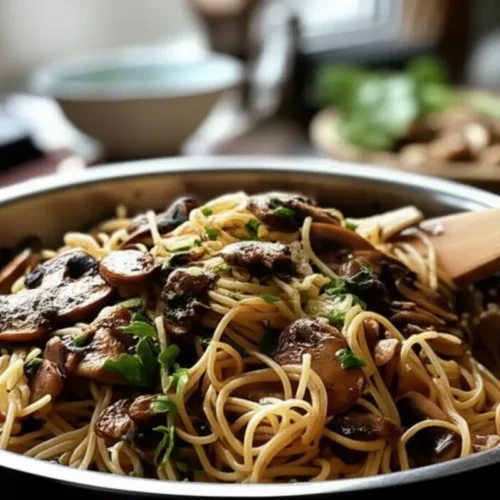
Easy Mushroom Pasta Recipe: Delicious & Simple!
Ingredients
Ingredients
- 200 g short pasta like orecchiette, penne, macaroni (Note 1)
- 160 g long pasta – spaghetti, fettucine (Note 1)
- 400 g mushrooms sliced 1/2 cm / 1/5″ thick (Note 2)
- 50 g unsalted butter separated
- 1 tbsp olive oil
- 2 garlic cloves finely minced
- 1/2 tsp salt
- 1/2 tsp pepper
- 1/2 cup freshly grated parmesan cheese (or 1/4 cup store bought grated)
- Parsley finely chopped
- Parmesan cheese grated
Instructions
Instructions for Perfect Mushroom Pasta
- Bring a large pot of salted water to a boil, then add the pasta. I do this at the same time that I start cooking the mushrooms. This ensures both components are ready simultaneously, maximizing the pasta’s ability to absorb the sauce.
- Cook pasta per packet instructions, but reduce the cooking time by 1 minute. Before draining, reserve 1 mugful of the pasta cooking liquid. I’ve learned that slightly undercooking the pasta allows it to finish cooking in the sauce, resulting in a more flavorful bite. And that reserved pasta water? It’s liquid gold for creating a creamy emulsion.
- Melt half the butter and all the olive oil in a large skillet over medium heat. The combination of butter and olive oil adds richness and prevents the butter from burning.
- Add the sliced mushrooms and cook until their water has leached out and evaporated, and the mushrooms start to turn golden around the edges, usually around 5 minutes. Early on, I made the mistake of overcrowding the pan, which resulted in steamed, soggy mushrooms. The engineering principle here is surface area and heat: the mushrooms need space to release their moisture and for that moisture to evaporate efficiently. A wider pan, or cooking in batches, ensures proper browning and a more concentrated flavor.
- Add salt and pepper about halfway through the mushroom cooking process. Seasoning early allows the flavors to penetrate the mushrooms as they cook.
- Add the minced garlic and remaining butter. Cook for an additional 2 minutes, until the mushrooms and garlic are golden and fragrant. Cooking the garlic towards the end prevents it from burning and becoming bitter.
- Add the cooked pasta, about 3/4 cup of the reserved pasta water, and the parmesan cheese to the skillet. Toss gently until the water reduces and thickens into a saucy glaze that coats the pasta. If the pasta starts to dry out, add more pasta water, a little at a time. The starch in the pasta water helps bind the sauce and create that desirable creamy texture without the need for heavy cream.
- Taste and add more salt and pepper if needed. Seasoning is subjective, so trust your palate and adjust accordingly.
- Remove from the stove and serve immediately, garnished with fresh parsley and grated parmesan cheese. Fresh herbs add a pop of brightness and visual appeal.