The beauty of one-pot pasta lies in its simplicity: toss everything into a single pot, and, with minimal effort, dinner is served. I’ve always been drawn to this idea. However, the reality often falls short of the dream. I’m talking mushy pasta, crunchy vegetables, or a watery sauce.
I knew there had to be a better way, so I set out to “engineer” the perfect one-pot pasta. My goal was a consistently delicious dish, every single time. You see, before I started TheRecipiest, I spent years as an engineer. I solved complex problems by breaking them down into smaller parts, testing relentlessly, and optimizing for peak performance. I approach my recipes the same way.
This recipe for One-Pot Pasta and Vegetables, for example, clocks in at a Prep Time of just 5 minutes and a Cook Time of 15 minutes, bringing the Total Time to 20 minutes. I’ve personally tested this recipe over 10 times, tweaking every variable until I achieved repeatable perfection. Now, I’m excited to share my findings.
Table of Content
The Engineer’s Secret to Perfect One Pot Pasta and Vegetable Combinations
The trick to a truly great one-pot pasta, in my experience, boils down to mastering a delicate balancing act. Getting the pasta and vegetables cooked just right, at the same time, is the real challenge. It’s not just about throwing everything in a pot and hoping for the best.
I quickly realized that several variables were at play. Pasta type, the density of the vegetables, and the liquid-to-solid ratio all had a huge impact. The first few attempts were… well, let’s just say they weren’t blog-worthy.
I remember one particular batch where the pasta turned to complete mush while the broccoli remained stubbornly crunchy. It was a disaster, to be honest. That’s when I decided to approach the problem like any engineering challenge: systematically and with plenty of data.
I started experimenting with different pasta-to-water ratios. I meticulously measured, adjusting by tiny increments each time. Next, I tested vegetable combinations, carefully noting cook times and textures. My kitchen looked like a science lab for a while, filled with measuring cups, timers, and notebooks covered in scribbled observations.
Here’s a peek at some of those notes.
Optimizing Vegetable Combinations for Your One Pot Pasta
All that testing showed me that vegetable selection is just as critical as the liquid ratio. Some vegetables simply work better together in a one-pot environment than others. It’s all about understanding their cook times and how their flavors complement each other.
Here’s a breakdown, based on my experience, of why the vegetables in this recipe shine in one-pot pasta:
| Vegetable | Cook Time Compatibility | Flavor Profile | Why It Works in One-Pot Pasta |
|---|---|---|---|
| Zucchini | Medium | Mild, slightly sweet | Cooks quickly, absorbs flavors well, and, importantly, doesn’t become mushy. |
| Bell Pepper | Medium | Sweet, slightly tangy | Adds vibrant color and sweetness; cooks at a similar rate to zucchini, making them an ideal match. |
| Corn | Short | Sweet, juicy | Adds bursts of sweetness; I love that it can be used frozen or canned for convenience. |
| Broccoli | Short | Slightly bitter | Retains texture surprisingly well; adds a pleasant bite that balances the richness of the sauce. |
I’ve also experimented with less common combinations. For example, I once tried adding thinly sliced Brussels sprouts along with the zucchini and bell peppers. The slightly nutty, almost cabbage-like flavor was a surprisingly delicious complement to the tomato-based sauce. The key, I found, was to slice them thinly so they’d cook evenly. I also enjoy adding kale or spinach; however, I add these near the end as they cook very fast and can become slimy if added too early. If you’re looking for more simple pasta recipes, check out this easy mushroom pasta recipe.
By understanding these factors, I was able to “engineer” a one-pot pasta recipe where every vegetable cooks to its ideal texture, contributing to a harmonious and flavorful dish. Now, let’s talk about the ingredients I use to achieve this result.
Ingredients for Foolproof One Pot Pasta and Vegetable
As I refined this recipe, I realized the ingredients themselves are a key part of the equation. Using the right balance and proportions is essential for that perfect one-pot harmony. I’ve listed everything out here, exactly as I use it in my own kitchen.
- 1 tbsp olive oil
- 2 garlic cloves, minced
- 1 onion, finely chopped
- 2 zucchinis, halved lengthwise and cut into sliced 0.8cm / 1/3″ slices
- 1 red capsicum/bell pepper, halved and sliced
- 1 cup corn (frozen or canned)
- 1 broccoli, broken into bite size florets
- 250g/ 0.5lb ziti/penne, or other short pasta (Note 1)
- 800 g / 28 oz crushed tomato
- 1.5 cups / 375 ml vegetable or chicken broth
- 2 tbsp tomato paste
- 1 tbsp Italian herb mix (or other dried herbs)
- 1 tsp garlic powder
- 1/2 tsp red pepper flakes (chilli flakes, adjust spiciness to taste)
- 1.5 tsp salt
- 0.5 tsp black pepper
- 1.5 cups shredded cheese of choice (Cheddar, tasty, Monterey Jack etc)
- Finely chopped parsley (optional)
- Parmesan (if not using cheese)
Once you have your ingredients assembled, the process itself is remarkably straightforward. Let me walk you through the steps I take to ensure a consistently perfect one-pot pasta.
Instructions for the Best Tasting One Pot Pasta
Now that we have all of our ingredients, it’s time to bring it all together. Over the years, I’ve refined this process to make it as foolproof as possible. Here’s how I do it:
- Heat oil in a large pot over medium. Add garlic and onion, then cook slowly for 3 to 4 minutes until the onion is translucent and sweet. This gentle cooking coaxes out the onion’s natural sugars, which infuses the oil with flavor and creates a fragrant base for the entire dish.
- Turn the heat up to medium-high, then add the zucchini and capsicum. Cook for just 1 1/2 minutes. This quick sear enhances their flavor and keeps them from getting too soft and mushy during the longer cooking time with the pasta.
- Add the remaining ingredients, except the pasta and broccoli. Stir until the tomato paste dissolves completely. I’ve found that this prevents the tomato paste from clumping up, ensuring a smooth and evenly distributed sauce.
- Once the liquid starts bubbling, reduce the heat to medium. Add the pasta, stirring to submerge it, then top with the broccoli, gently pushing it into the liquid. Layering the ingredients this way ensures that the pasta cooks evenly while the broccoli steams gently on top, maintaining a bit of its crispness.
- Cover the pot with a lid and cook for 5 minutes. The lid traps the steam, which helps cook the pasta evenly and efficiently. I experimented with different lid types and found that a tight-fitting lid is essential for optimal steam retention.
- Remove the lid and cook for another 3 to 4 minutes, stirring frequently, until the pasta is almost cooked through and most of the liquid has been absorbed. Stirring is crucial here, as it prevents the pasta from sticking to the bottom of the pot and ensures even cooking. I’ve learned that “almost” cooked is the key, as the pasta will continue to cook slightly from the residual heat.
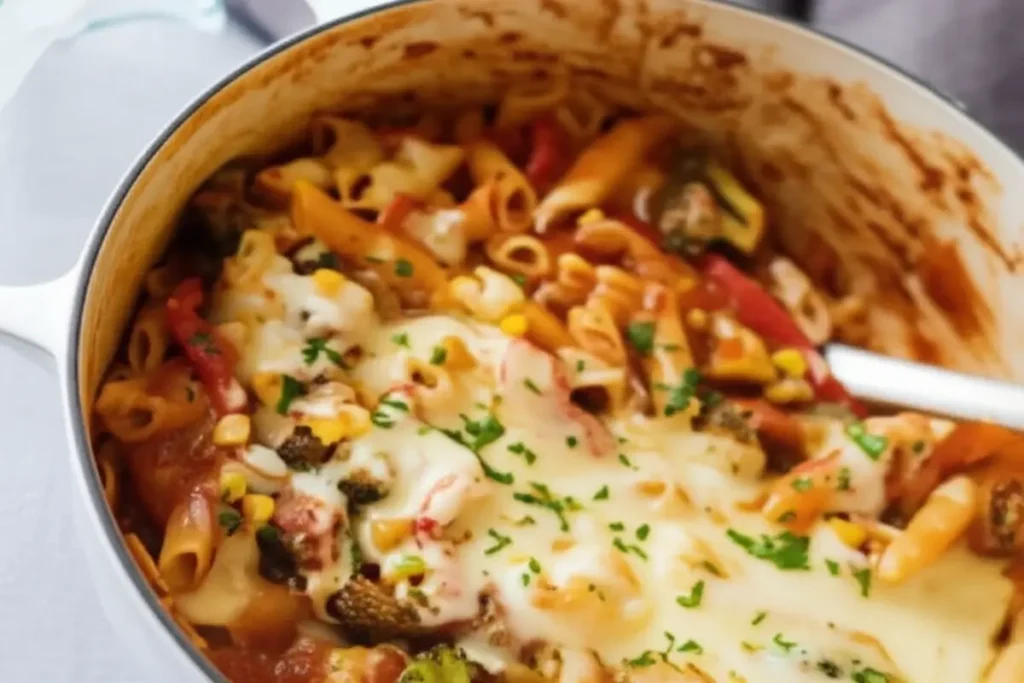
- Stir in half of the cheese (if using). Season with additional salt and pepper to taste. Adding cheese at this stage creates a creamier sauce, melding the flavors together beautifully. I always taste at this point and adjust the seasoning as needed.
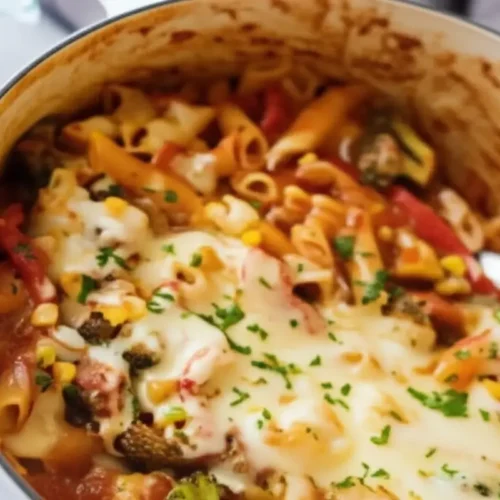
- Top with the remaining cheese, then cover the pot again. Let it sit for 1 minute, until the cheese is melted and the pasta is cooked perfectly. This final melting creates a gooey, irresistible topping that elevates the entire dish.
- Garnish with parsley and serve immediately. Be sure to transfer any leftovers to a serving dish right away. The residual heat in the pot will continue to cook the pasta, potentially leading to overcooking. I learned that the hard way after a few mushy leftover experiences! Parsley adds a burst of freshness and a pop of color, completing the dish.
One-Pot Pasta Around the World: Vegetarian Variations
Now, while I love the classic Italian flavors in this recipe, the beauty of one-pot pasta is its incredible versatility. I’ve found that with a few tweaks to the spices and sauces, you can transport this dish to entirely different culinary landscapes. For those who love some flavorful adventure, I wanted to share some ideas for vegetarian variations that bring in the vibrant tastes of India.
One of my favorite variations involves incorporating Indian spices and sauces. I’ve experimented with a few approaches, each offering a unique flavor profile while maintaining the simplicity of the one-pot method.
For a rich and aromatic experience, try adding 2 tablespoons of garam masala along with a can of drained chickpeas. I replace half of the crushed tomatoes with coconut milk. The garam masala infuses the pasta and vegetables with warm, complex notes of cinnamon, cardamom, and cloves, while the coconut milk adds a creamy sweetness that balances the spices perfectly. The chickpeas add a hearty protein element, making it a satisfying and well-rounded meal.
Alternatively, I’ve also had great success using curry powder for a brighter, more pungent flavor. I use about 3 tablespoons of a good-quality curry powder. Then, I swap the crushed tomatoes for a tomato-based Indian sauce like tikka masala or butter chicken sauce (vegetarian versions, of course!). These sauces already contain a blend of spices and aromatics. That addition makes it easy to achieve an authentic Indian flavor. I’ve also found that adding a handful of spinach or kale during the last minute of cooking adds a nice touch of freshness and color. The spinach wilts quickly, absorbing the flavors of the sauce and adding a boost of nutrients.
The real beauty of these variations, in my experience, is that they require minimal extra effort. You simply swap out a few ingredients and adjust the seasoning to your liking. That gives you the freedom to explore different flavor profiles without sacrificing the convenience of one-pot cooking. If you’re looking for another easy option, you could also try this simple pasta with meat balls and herb sauce, a quick and delicious meal.
Troubleshooting Your One Pot Pasta and Vegetable: FAQs
Over the years I’ve been making this recipe, I’ve gotten a lot of questions. So, I wanted to put together a little FAQ to help you troubleshoot any issues you might run into. Let’s dive in.
Pasta Perfection
I know how frustrating it is to end up with mushy or sticky pasta, so I’ve learned a few tricks to prevent it. First, make sure you’re using the correct liquid-to-pasta ratio. Too much liquid, and the pasta will be soggy; not enough, and it’ll stick. I’ve found that the 1.5 cups of broth specified in this recipe is the sweet spot for most short pasta shapes. Also, one cup of cooked pasta contains just 200 calories, so it can easily fit into your diet plan 7.
Also, be sure to stir the pasta frequently while it’s cooking, especially in the final few minutes. This helps prevent sticking and ensures even cooking. I also make sure not to overcook it. Remember, it should be almost al dente when you take it off the heat, as it will continue to cook from the residual heat.
Vegetable Selection
I’ve experimented with many different vegetables in one-pot pasta, and some definitely work better than others. In general, I recommend using vegetables that cook at a similar rate, like zucchini, bell peppers, and broccoli. If you’re using vegetables with longer cooking times, such as carrots or potatoes, I suggest dicing them very small or adding them earlier in the cooking process.
I also consider the flavor profile when selecting vegetables. Some vegetables, like mushrooms or eggplant, can add a delicious umami depth to the dish, while others, like leafy greens, can provide a fresh, vibrant note. I always aim for a balance of flavors and textures.
Creamy Alternatives
While I love the richness that cheese adds to this recipe, I also understand the desire for healthier or dairy-free alternatives. I’ve tried a few options with great success.
One trick I often use is to blend a cup of cooked cannellini beans with a little bit of the pasta cooking liquid to create a creamy, plant-based sauce. Another option is to use nutritional yeast. It has a cheesy, nutty flavor that works well in pasta dishes. I’ve also found that a swirl of pesto at the end adds a burst of flavor and creaminess. It does this without relying on dairy.
Cooking Time
In my experience, the total cooking time for one-pot pasta and vegetables typically ranges from 12 to 15 minutes, after adding the pasta and broccoli. However, I’ve learned to rely on visual cues rather than strict timing. I start by checking the pasta for doneness around the 12-minute mark.
The pasta should be almost cooked through, and most of the liquid should be absorbed. If the pasta is still too firm or there’s too much liquid, I continue cooking it for a few more minutes, stirring frequently. I’ve found that this approach yields the best results, as it accounts for variations in stove temperature and pasta type.
Pasta Substitutions
I’ve made this recipe with many different pasta shapes over the years. While I prefer ziti or penne for their texture and shape, other short pasta shapes, such as rotini, fusilli, or even small shells, work well too. If you’re interested in other pasta options, check out our pasta category for more inspiration.I have found that gluten-free pasta can be a bit trickier, as it tends to cook faster and can become mushy more easily. If you’re using gluten-free pasta, I recommend reducing the cooking time by a few minutes and checking it frequently for doneness. Also, I tend to add a tablespoon of olive oil to the pot when cooking gluten-free pasta; I’ve noticed that it helps prevent it from sticking.
Conclusion
After countless tests and tweaks, I can confidently say this one-pot pasta recipe is engineered for success. It’s quick, easy, packed with healthy vegetables, and delivers consistent results every single time. I set out to eliminate the guesswork and create a truly no-fail method, and I believe I’ve achieved that.
Now, I want you to experience the magic of perfectly cooked one-pot pasta. Try this recipe. Then, experiment with your own favorite vegetable combinations. Don’t be afraid to get creative.
I’d also love to hear about any troubleshooting tips you discover along the way. Share your thoughts in the comments below. Rate this recipe, and spread the word. By working together, we can continue to “engineer” the ultimate one-pot pasta experience for everyone.
Easy One Pot Pasta and Vegetable Recipe
Ingredients
Ingredients
- 1 tbsp olive oil
- 2 garlic cloves, minced
- 1 onion, finely chopped
- 2 zucchinis, halved lengthwise and cut into sliced 0.8cm / 1/3″ slices
- 1 red capsicum/bell pepper, halved and sliced
- 1 cup corn (frozen or canned)
- 1 broccoli, broken into bite size florets
- 250 g ziti/penne, or other short pasta (Note 1)
- 800 g crushed tomato
- 1.5 cups vegetable or chicken broth
- 2 tbsp tomato paste
- 1 tbsp Italian herb mix (or other dried herbs)
- 1 tsp garlic powder
- 0.5 tsp red pepper flakes (chilli flakes, adjust spiciness to taste)
- 1.5 tsp salt
- 0.5 tsp black pepper
- 1.5 cups shredded cheese of choice (Cheddar, tasty, Monterey Jack etc)
- Finely chopped parsley (optional)
- Parmesan (if not using cheese)
Instructions
Instructions
- Heat oil in a large pot over medium. Add garlic and onion, then cook slowly for 3 to 4 minutes until the onion is translucent and sweet. This gentle cooking coaxes out the onion’s natural sugars, which infuses the oil with flavor and creates a fragrant base for the entire dish.
- Turn the heat up to medium-high, then add the zucchini and capsicum. Cook for just 1 1/2 minutes. This quick sear enhances their flavor and keeps them from getting too soft and mushy during the longer cooking time with the pasta.
- Add the remaining ingredients, *except* the pasta and broccoli. Stir until the tomato paste dissolves completely. I’ve found that this prevents the tomato paste from clumping up, ensuring a smooth and evenly distributed sauce.
- Once the liquid starts bubbling, reduce the heat to medium. Add the pasta, stirring to submerge it, then top with the broccoli, gently pushing it into the liquid. Layering the ingredients this way ensures that the pasta cooks evenly while the broccoli steams gently on top, maintaining a bit of its crispness.
- Cover the pot with a lid and cook for 5 minutes. The lid traps the steam, which helps cook the pasta evenly and efficiently. I experimented with different lid types and found that a tight-fitting lid is essential for optimal steam retention.
- Remove the lid and cook for another 3 to 4 minutes, stirring frequently, until the pasta is *almost* cooked through and most of the liquid has been absorbed. Stirring is crucial here, as it prevents the pasta from sticking to the bottom of the pot and ensures even cooking. I’ve learned that “almost” cooked is the key, as the pasta will continue to cook slightly from the residual heat.
- Stir in half of the cheese (if using). Season with additional salt and pepper to taste. Adding cheese at this stage creates a creamier sauce, melding the flavors together beautifully. I always taste at this point and adjust the seasoning as needed.
- Top with the remaining cheese, then cover the pot again. Let it sit for 1 minute, until the cheese is melted and the pasta is cooked perfectly. This final melting creates a gooey, irresistible topping that elevates the entire dish.
- Garnish with parsley and serve immediately. Be sure to transfer any leftovers to a serving dish right away. The residual heat in the pot will continue to cook the pasta, potentially leading to overcooking. I learned that the hard way after a few mushy leftover experiences! Parsley adds a burst of freshness and a pop of color, completing the dish.