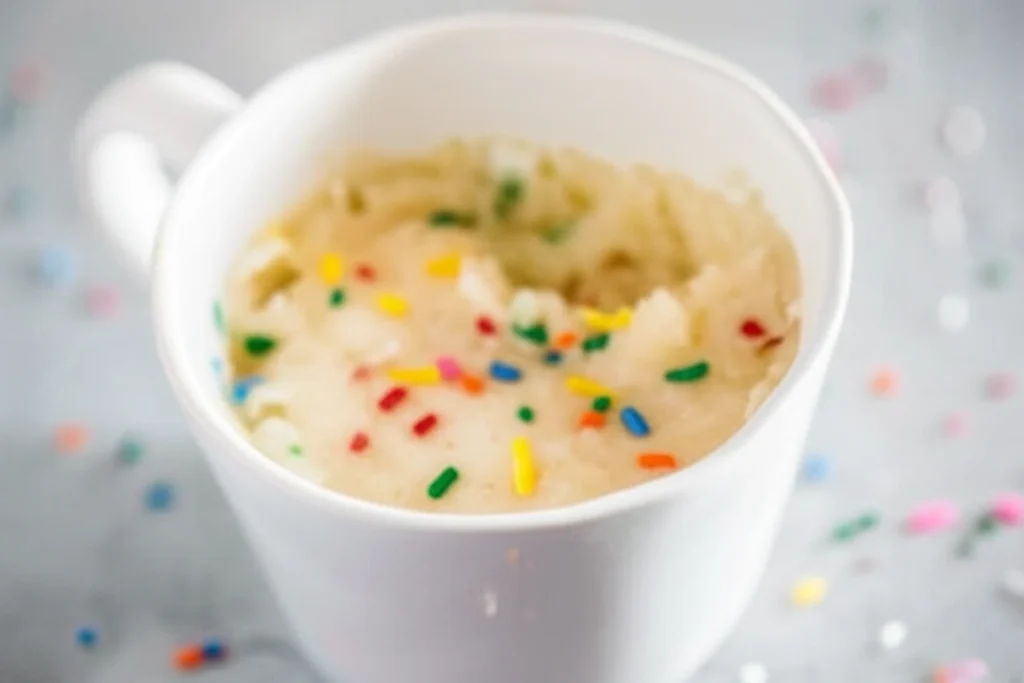
My early attempts at mug cake were, to put it kindly, a disaster. Explosions of batter coating the inside of my microwave, rock-hard dryness that could double as a paperweight, and a distinct lack of actual vanilla flavor were all too common. I knew there had to be a way to create a reliably delicious single-serving cake without the usual microwave mishaps. This vanilla mug cake is the result of that quest; it represents hours of testing and careful adjustments to eliminate every point of failure. The result is a truly foolproof recipe that delivers a moist, flavorful treat in just 5 minutes.
From start to finish, this mug cake takes about 5 minutes. Prep time is around 3 minutes, and cook time is about 2 minutes. This recipe delivers a perfect single-serving vanilla mug cake, every single time. Consider this your engineer’s guide to finally conquering the microwave and creating a dessert that’s both quick and genuinely satisfying.
Table of Content
The Butter Advantage: Why Melted Butter Makes All the Difference
Melted butter is more than just a fat in this mug cake; it’s a key ingredient impacting the cake’s final texture and flavor. I chose melted butter over other fats because of its unique properties when interacting with the other ingredients in a microwave environment. The goal was a light, tender crumb, and melted butter was the answer.
Melted butter helps distribute fat evenly throughout the batter, contributing to a more tender crumb by inhibiting gluten formation. Solid fats don’t disperse as effectively, leading to pockets of dryness and a tougher texture. It also emulsifies more readily with the milk and vanilla extract, creating a homogenous batter that bakes more evenly.
Pro tip: Ensure the butter isn’t too hot when you add it to the other ingredients. Excessively hot butter can partially cook the egg proteins (though there are none in this recipe) or activate the baking powder prematurely, leading to a less-than-ideal rise and a potentially rubbery texture. The ideal temperature is warm and fully melted but not sizzling. I found this to be crucial in achieving that signature moistness.
Ingredients
- ¼ cup +1 1/2 teaspoons all-purpose flour ((35 g))
- 2 tablespoons sugar ((25 g))
- 1/4 teaspoon baking powder ((1 g))
- dash salt
- 2 tablespoon butter (, melted (28 g))
- 3 tablespoon milk ((45 ml))
- 1/2 teaspoon vanilla extract ((2.5 ml))
- 1 teaspoon sprinkles ((4 g))
I tested multiple brands of vanilla extract, and found that the generic store-brand versions were too weak and did not come through in the final cake. A high-quality vanilla extract really makes a difference in delivering that classic vanilla flavor we’re looking for in this mug cake. You will find the flavor impact worth the cost.
Instructions
- Add flour, sugar, baking powder, and salt to a mug and stir together.
- Stir in milk, melted butter, and vanilla extract until smooth, being sure to scrape the bottom of the mug. Stir in sprinkles.
- Cook in microwave for 70-90 seconds (until cake is just set, but still barely shiny on top). Allow to rest in microwave for 1 minute before consuming.
That final minute of rest is crucial for the perfect mug cake. Even after microwaving, the residual heat continues to cook the cake from the inside out. Skipping this resting period often results in a gummy or undercooked center. Trust me; patience is key to a fully cooked, delightful mug cake experience.
Decoding “Just Set”: The Engineer’s Guide to Doneness
The most crucial part of mug cake mastery is knowing when it’s just done. That “just set, but still barely shiny on top” description in the instructions is the key to avoiding common pitfalls. It took more ruined mug cakes than I care to admit before I learned to recognize the visual cues that separate a perfectly cooked cake from a dry or gummy one.
An overcooked mug cake, even by a few seconds, will be noticeably dry and dense. The top surface will appear completely matte, with no visible shine. On the other hand, an undercooked cake will have a wet, gummy texture, and the top surface will appear very shiny and almost liquid in places. It might even slightly sink in the middle upon cooling.
The ideal texture lies in the balance. The surface of the mug cake should look mostly set, with a slight, almost imperceptible jiggle if you gently nudge the mug. A very slight sheen on the surface indicates the cake is still moist inside. This ensures a tender, delicious vanilla mug cake, rather than a disappointing hockey puck.
Microwave Power Matters: Adjusting for Your Appliance
Microwave wattage varies considerably, and what works perfectly in my microwave might need slight adjustments in yours. I’ve found that even seemingly small differences in microwave power can significantly impact the final outcome of the mug cake. Here’s a quick troubleshooting guide based on common issues:
| Problem | Possible Cause | Solution |
|---|---|---|
| Cake overflowing | Microwave too powerful | Reduce cooking time by 10-15 seconds. Monitor closely. |
| Cake is dry | Overcooked | Reduce cooking time. Add a teaspoon of milk. |
| Cake is undercooked in the center | Microwave not powerful enough | Increase cooking time by 10-15 seconds. |
Achieving the perfect mug cake often requires a little experimentation to dial in the precise cooking time for your specific microwave. Start with the recommended time and adjust incrementally based on these observations. Remember, the goal is a “just set” cake, and a few seconds can make all the difference.
Frequently Asked Questions
What is the best type of mug to use for a mug cake?
I have found that the ideal mug for a mug cake is a standard 12-16 ounce ceramic mug. A mug of this size provides enough room for the cake to rise without overflowing, while also ensuring even cooking. I avoid using plastic mugs, as they can warp or leach chemicals when heated. For even better results, use a mug with straight sides rather than one that flares outward. This promotes more even cooking.
Can I use cake mix for a mug cake, and if so, how?
Yes, cake mix can be used as a shortcut for mug cakes, but it requires some adjustments. I typically start with about 3-4 tablespoons of cake mix and add 2-3 tablespoons of milk or water. The exact amount of liquid will depend on the consistency of the cake mix; I look for a smooth batter that isn’t too thick or too runny. One lesson I learned the hard way: reduce the cooking time by about 10-15 seconds to prevent it from becoming dry.
What are common mistakes to avoid when making a mug cake?
Several common mistakes can derail a mug cake. Overcooking is a frequent culprit, resulting in a dry, rubbery texture. Undercooking leads to a gummy center. I’ve also found that not mixing the ingredients thoroughly enough can result in pockets of dry flour or uneven texture. I’ve learned to scrape the bottom and sides of the mug well to ensure everything is fully incorporated.
How do I store and reheat a mug cake?
Frankly, mug cakes are best enjoyed immediately after cooking; this is when they have the best texture. However, if you must store a mug cake, cover the mug tightly with plastic wrap and refrigerate it. The texture will change considerably. When reheating, microwave for 15-20 seconds. I’ve tested this extensively and recommend adding a tiny splash of milk before reheating to help restore some moisture.
Conclusion
This vanilla mug cake recipe isn’t just another quick dessert; it’s the culmination of an engineer’s approach to eliminating common microwave baking failures. I’ve focused on identifying and resolving the issues that lead to dry, gummy, or exploding mug cakes. The techniques here deliver consistent results every time. From the melted butter advantage to the “just set” doneness test and microwave power adjustments, consider this your foolproof blueprint for single-serving satisfaction.
Now that you’ve mastered the art of the perfect mug cake, I want to hear about your creations! What sprinkles will you use to customize your cake? Leave a comment below and let me know! If this recipe helped you ditch microwave dessert disasters, share it with your friends.
Vanilla Mug Cake
Equipment
- mug
- microwave
Ingredients
Ingredients
- 1/4 cup all-purpose flour +1 1/2 teaspoons (35 g)
- 2 tablespoons sugar (25 g)
- 1/4 teaspoon baking powder (1 g)
- dash salt
- 2 tablespoon butter melted (28 g)
- 3 tablespoon milk (45 ml)
- 1/2 teaspoon vanilla extract (2.5 ml)
- 1 teaspoon sprinkles (4 g)
Instructions
Instructions
- Add flour, sugar, baking powder, and salt to a mug and stir together.
- Stir in milk, melted butter, and vanilla extract until smooth, being sure to scrape the bottom of the mug. Stir in sprinkles.
- Cook in microwave for 70-90 seconds (until cake is just set, but still barely shiny on top). Allow to rest in microwave for 1 minute before consuming.