Pita Perfection: Expert Assembly Tips for the Ultimate Hummus Meal—it all started with a mess, to be honest. Countless attempts at the perfect hummus pita ended with ingredients spilling onto my plate, flavors fighting for dominance, and a general sense of culinary frustration. I was determined to create a repeatable method.
My “aha!” moment came when I began treating the creation of a simple hummus pita as an engineering problem. What were the critical points of failure? How could I optimize each step for maximum flavor and minimal mess? After meticulous testing, I’ve developed a method that transforms this simple snack into a balanced, delicious, and structurally sound meal.
This recipe takes just 20 minutes of prep time, and 20 minutes total, to deliver perfection. If you’re ready to elevate your hummus pita game, let’s dive in.
Table of Content
The Engineering Mindset: Optimizing Every Bite of Your Pita
Approaching the creation of a hummus pita with an engineering mindset might seem unusual, but I assure you it’s the key to pita perfection. Every element, from the order of ingredients to the folding technique, plays a crucial role in the overall experience. Thinking systematically about your hummus pita assembly will transform the way you prepare this deceptively simple meal.
The goal is to maximize flavor, maintain structural integrity, and minimize mess. This requires a thoughtful approach to layering. I discovered that placing heavier, wetter ingredients closer to the hummus base helps them adhere and prevents slippage.
Also critical is choosing the right folding technique. I’ve found that a simple half-fold works best for thinner pitas, while a more structured cone shape is ideal for thicker varieties, keeping everything neatly contained. This attention to detail may seem excessive, but I guarantee the result is a hummus pita experience far superior to haphazard assembly. With a little planning, you will enjoy every bite.
Ingredients
Now that we’ve covered the engineering principles behind a superior hummus pita, let’s talk ingredients. Using the right components in the correct ratios is essential. I tested this recipe with both store-bought hummus and homemade hummus. While both work, I found that a slightly thicker, less oily hummus holds the vegetables in place better, preventing spillage. Here’s what I use:
- 1/2 cucumber ($0.53)
- 1 cup grape tomatoes ($1.08)
- 1/4 red onion ($0.09)
- 8 kalamata olives ($0.75)
- 1 Tbsp chopped parsley ($0.10)
- 2 oz. feta, crumbled ($0.82)
- 4 pitas ($1.99)
- 1 cup hummus ($2.20)
- 2 tsp olive oil ($0.11)
- 1 pinch salt ($0.01)
- 1 pinch pepper ($0.01)
Having these specific ingredients on hand sets the stage for the perfectly balanced hummus pita.
Instructions
- Vegetable Preparation: Dice the cucumber into small ¼-inch pieces. Slice the grape tomatoes in half. Dice the red onion. Roughly chop the parsley and crumble the feta. Creating a consistent size for all diced vegetables is important. I learned through testing that a uniform ¼-inch dice ensures an even distribution of flavor and texture in every single bite.
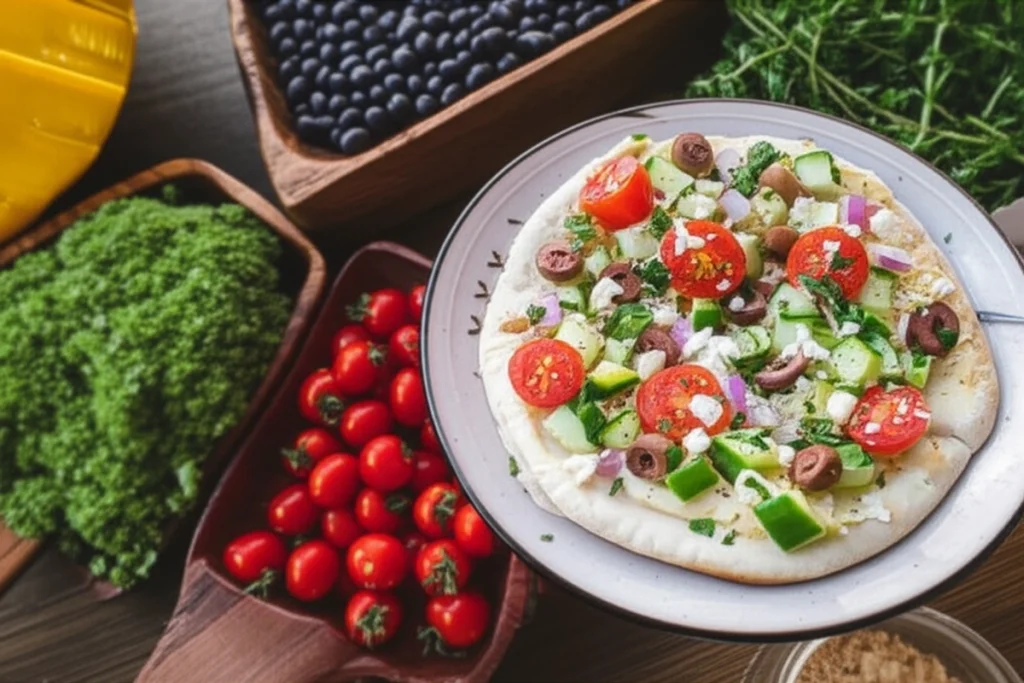
- Pita Assembly: To assemble the pitas, spread ¼ cup hummus over the surface of each pita. Top with cucumber, tomato, red onion, and a pinch of salt and pepper. Finish with a little crumbled feta, chopped parsley, and a light drizzle of olive oil. These loaded hummus pitas are now ready to serve.
Hummus Harmony: Achieving the Perfect Ratio of Hummus to Veggies
Getting the balance right between hummus and vegetables can make or break your pita. Too much of one ingredient can easily overpower the others, while too little can leave you wanting more. I spent considerable time experimenting with different ratios to find the sweet spot where every flavor shines. Here’s a breakdown of what I discovered:
| Ingredient | Too Much | Too Little | Just Right |
|---|---|---|---|
| Hummus | Overpowers other flavors; pita becomes soggy. | Pita is dry; lacks the creamy base for other ingredients. | Provides a smooth, flavorful base that complements the vegetables. |
| Cucumber | Watery texture dominates; dilutes other flavors. | Lacks refreshing crunch and moisture. | Adds a refreshing crunch without being watery. |
| Tomato | Pita becomes too acidic; soggy texture. | Doesn’t provide enough juicy sweetness. | Adds a burst of juicy sweetness that balances the savory elements. |
| Red Onion | Overpowering pungent flavor. | Lacks the sharp bite that cuts through the richness. | Provides a sharp, flavorful contrast to the other ingredients. |
| Feta | Overly salty and rich. | Doesn’t provide enough salty tang. | Adds a salty, tangy counterpoint to the creamy hummus and fresh vegetables. |
| Parsley | Bitter, grassy flavor dominates. | Lacks a fresh, herbaceous note. | Provides a fresh, herbaceous aroma and flavor that ties everything together. |
Pro tip: Start with the hummus, then add the vegetables incrementally, tasting as you go. This allows you to adjust the ratios based on your personal preferences and the specific flavors of your ingredients. Through trial and error, I’ve found that this approach gives you the ultimate control for hummus pita perfection.
Visual Cues: Ensuring Your Pita Looks as Good as it Tastes
Beyond the taste, an attractive presentation significantly enhances the overall enjoyment of a hummus pita. The arrangement of ingredients impacts the visual appeal. I’ve discovered a few simple strategies that transform a basic pita into a visually balanced and appetizing meal.
For a start, I arrange the vegetables with intention. Distributing colors evenly prevents a chaotic look. Alternate placing red tomatoes next to green cucumbers and flecks of red onion. A sprinkle of crumbled feta not only adds flavor but also creates height and texture, preventing that dreaded “flat” look.
Pro tip: Don’t overcrowd the pita; less is often more. Too many ingredients will make it difficult to eat and diminish the visual appeal. Ultimately, a well-arranged hummus pita is a feast for the eyes as well as the palate, elevating the entire experience. This attention to detail is something I also consider when I am making my amazing crispy tofu bowl recipe.
Frequently Asked Questions
What are the nutritional benefits of hummus and pita bread?
I’ve found that both hummus and pita bread offer valuable nutritional benefits. Hummus, typically made from chickpeas, tahini, olive oil, lemon juice, and garlic, is an excellent source of plant-based protein and fiber. Fiber aids digestion and helps regulate blood sugar levels. Pita bread, especially whole wheat varieties, provides carbohydrates for energy, along with some fiber and essential nutrients. The combination of these two creates a balanced and satisfying base for your hummus pita.
What types of bread are best to serve with hummus?
Through my testing, I’ve discovered that various breads pair wonderfully with hummus, but pita bread remains a classic choice for a reason. Its slightly chewy texture and mild flavor complement the creamy richness of the hummus without overpowering it. However, other options like naan, sourdough, or even toasted whole-grain bread can provide delicious alternatives. The best choice depends on your personal preference, but I recommend trying different options to discover your favorite combination.
What dishes pair well with hummus and pita bread?
Hummus and pita bread make a versatile pairing. I often serve them alongside a variety of dishes. They work well with grilled vegetables, falafel, or a simple salad for a light and satisfying lunch. I have also served them with roasted chicken or lamb for a more substantial meal. Hummus and pita can also be a great addition to a mezze platter, offering a flavorful and healthy component to share with friends.
Is hummus and pita bread a healthy food choice?
Whether hummus and pita bread constitute a healthy choice depends on several factors. I always consider portion sizes and the overall balance of the meal. While hummus offers protein and fiber, it can also be relatively high in calories and fat. Similarly, pita bread, especially white pita, can be high in carbohydrates. However, when consumed in moderation as part of a balanced diet, hummus and whole wheat pita bread provide valuable nutrients and can absolutely contribute to a healthy eating pattern.
Variations and Practical Tips for Your Hummus Pita
This recipe yields 4 satisfying hummus pitas, perfect for a light lunch or a quick dinner. I have learned that the key to enjoying these pitas lies in serving them fresh, as the pita can become soggy if left for too long.
For optimal enjoyment, I recommend preparing the components separately and assembling the pitas just before serving. Leftover diced vegetables should be stored in an airtight container in the refrigerator for up to 2 days. Storing them this way keeps them crisp and prevents them from drying out. Hummus should also be refrigerated and will last for up to a week.
To spice things up, I sometimes make a harissa-spiked hummus variation. I tested this with different levels of harissa, and I recommend starting with a small amount. Add it to your hummus until you reach your desired level of heat.
Conclusion
In summary, achieving hummus pita perfection is about more than just slapping ingredients together; it’s about thoughtfully engineering each bite for optimal flavor, texture, and presentation. I hope that you will experiment with different ingredients and techniques to discover your ultimate hummus pita creation. If you would like a complete recipe, view more here.
Now it’s your turn. I encourage you to share your own pita assembly tips, ingredient variations, and folding secrets in the comments below. And if you found this guide helpful, please share it with your friends and family who also appreciate the art of a well-crafted hummus pita.
Loaded Hummus Pitas
Ingredients
Ingredients
- 1/2 cucumber diced into small ¼-inch pieces
- 1 cup grape tomatoes sliced in half
- 1/4 red onion diced
- 8 kalamata olives
- 1 Tbsp chopped parsley
- 2 oz. feta, crumbled
- 4 pitas
- 1 cup hummus
- 2 tsp olive oil
- 1 pinch salt
- 1 pinch pepper
Instructions
Instructions
- Vegetable Preparation: Dice the cucumber into small ¼-inch pieces. Slice the grape tomatoes in half. Dice the red onion. Roughly chop the parsley and crumble the feta. Creating a consistent size for all diced vegetables is important. I learned through testing that a uniform ¼-inch dice ensures an even distribution of flavor and texture in every single bite.
- Pita Assembly: To assemble the pitas, spread ¼ cup hummus over the surface of each pita. Top with cucumber, tomato, red onion, and a pinch of salt and pepper. Finish with a little crumbled feta, chopped parsley, and a light drizzle of olive oil. These loaded hummus pitas are now ready to serve.