The flakiest crust on a homemade pastry? It’s a goal I chased for years. Achieving that perfect, delicate shatter with a satisfying bite felt almost impossible until I unlocked one simple secret: vegetable shortening. These sourdough pop tarts are proof. Prep Time: 15 minutes. Cook Time: 30 minutes. Total Time: 1 hour 45 minutes.
I’ll admit, I was a skeptic about using vegetable shortening. Traditional pastry wisdom always pointed toward butter, and, for a long time, I believed it. Countless batches of dense, underwhelming crusts later, I started experimenting. My tests revealed that vegetable shortening, with its unique fat composition, consistently delivered a superior flaky texture compared to butter when making sourdough pop tarts.
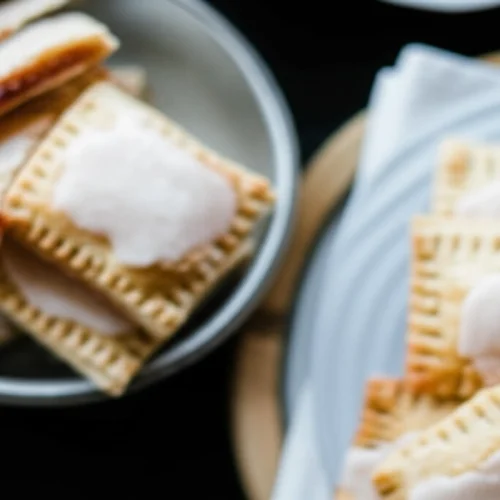
The result? These sourdough pop tarts boast a uniquely tender, flaky crust with a tangy sourdough flavor that perfectly complements the sweet filling. They’re far beyond anything you’ll find in a foil wrapper. For another simple dessert, try my recipe for easy carrot cake bars with cream cheese frosting.
Table of Content
Vegetable Shortening vs. Butter: Why It’s the Secret to the Flakiest Sourdough Pop Tart Crust
The secret to an exceptional sourdough pop tart crust lies in the type of fat used. While butter is often the go-to for pastries, I discovered that vegetable shortening yields a flakier, more tender result, and it all comes down to the science of fats.
Vegetable shortening, being 100% fat, has a higher melting point than butter, which contains water and milk solids. This difference is critical: the higher melting point means the shortening stays solid for longer during mixing and baking. This prevents the fat from melting into the flour, which would create a tougher, less flaky crust.
The solid shortening creates distinct layers within the dough. As these layers bake, the moisture within them turns to steam, puffing up the layers and creating that desirable flaky texture in these sourdough pop tarts. Butter, with its lower melting point and water content, melts more quickly, leading to less distinct layers and a less dramatic rise.
Pro tip: For optimal results, ensure your vegetable shortening is well-chilled before use. I often place mine in the freezer for about 30 minutes before starting the recipe to get it extra cold.
I had to learn this through trial and error. Early on, my pop tart crusts were either too dense or had a greasy mouthfeel. It wasn’t until I started paying close attention to the fat content and melting points that I began consistently achieving that perfect flaky texture. Now, the resulting sourdough pop tarts are consistently flaky and delicious.
The Science of Cold Fat: How to Keep Your Shortening at the Perfect Temperature for Sourdough Pop Tarts
Building on the point about vegetable shortening’s higher melting point, keeping it cold is non-negotiable when crafting flaky sourdough pop tarts. The goal is to maintain solid pieces of fat dispersed throughout the flour. These melt during baking, creating steam and those coveted pockets of air that yield a flaky, layered crust.
If the shortening gets too warm (above 60°F/15°C), it softens and blends with the flour, resulting in a tough, rather than flaky, pastry. I aim for my shortening to be between 35-45°F (2-7°C) before incorporating it into the flour.
Pro tip: Should your shortening begin to soften during the mixing process, immediately return the entire mixture to the refrigerator for 15-20 minutes. This brief chill can save the entire batch of sourdough pop tarts. I discovered this technique after one particularly warm day threatened to ruin a batch; a quick chill brought the dough back to the ideal state.
Getting the fat cold isn’t just a suggestion; it’s a critical step for creating the perfect sourdough pop tarts. By controlling the temperature of the vegetable shortening, you’re essentially engineering the flakiness of your crust.
Ingredients
Here’s what you’ll need to create these exceptional sourdough pop tarts:
- 1 cup + 1 teaspoon all-purpose flour
- 8 tablespoons vegetable shortening (cold)
- 1/2 teaspoon fine sea salt
- 2 tablespoons granulated sugar
- 1/2 cup sourdough discard
- 1 teaspoon white vinegar
- 1/2 cup strawberry jam (see notes)
- egg wash (1 egg lightly beaten)
- 1/2 cup powdered sugar
- 1 teaspoon water
I tested multiple chilling times for the dough, and found that a minimum of one hour is necessary for the best results. While longer chilling times (up to 24 hours) are fine, the dough becomes more difficult to roll out.
Instructions
Now, let’s bring these sourdough pop tarts to life with a step-by-step guide designed for foolproof results. Every detail matters, so follow each step carefully for the flakiest, most delicious outcome.
- In a medium-sized mixing bowl, whisk the flour, sugar and salt. Grate the cold vegetable shortening, using a cheese grater, into the flour mixture. Use a bench scraper or a pastry cutter to cut the vegetable shortening into the flour until it forms large crumbles.
- Add the sourdough starter discard and vinegar to the mixture and use a fork to bring the dough together. Use your hands to bring the mixture into a cohesive ball and press into a rectangular shape. (Add a teaspoon of cold water if the mixture is too dry.)
- Wrap the dough in plastic wrap and use a rolling pin to flatten the dough and smooth the edges. Let the dough chill in the fridge for at least one hour. (Up to 24 hours) Chilling the dough is essential because it allows the gluten to relax, which results in a more tender crust. Cold dough is also easier to roll out, preventing the shortening from melting and creating a greasy pastry.
- Preheat your oven to 350°F (177°C) and line a baking sheet with parchment paper.
- Roll the dough into a rectangle, with a 1/8″ thickness, on a lightly floured surface. Cut the dough into 4 long strips. Brush the edges with the egg wash.
- Add 2 tablespoons of filling to one side of each rectangle and fold the dough over itself. Use a fork to press and seal the edges. Brush the egg wash over the top of each pop tart.
- Place the pop tarts onto the baking sheet and bake for 25-30 minutes or until the crust is golden brown. Remove from the oven and transfer the baked pop tarts to a cooling rack.
- In a small bowl, whisk the powdered sugar and water together until thick and smooth. Pour onto each pop tart and sprinkle with coarse sugar or sprinkles. These sourdough pop tarts are best enjoyed fresh.
Sealing the Deal: Foolproof Tips to Prevent Filling Leakage
One of the most frustrating aspects of making homemade pop tarts is when the filling oozes out during baking. Over the years, I’ve battled this issue extensively and discovered several key strategies to ensure your sourdough pop tarts remain perfectly sealed. Here’s a breakdown of common problems and their solutions, all based on lessons learned from experience:
| Problem | Solution |
|---|---|
| Overfilled Pop Tarts | Use the recommended amount of filling (2 tablespoons) and avoid overfilling. |
| Inadequate Sealing | Press the edges firmly with a fork to create a tight seal. |
| Too Much Moisture in Filling | Thicken the filling slightly by cooking it down or adding a small amount of cornstarch. |
| Not Docking the Top | Cut a few small slits in the top of each pop tart to allow steam to escape during baking. |
Pro tip: After sealing and docking, I like to chill the assembled sourdough pop tarts in the refrigerator for another 15 minutes before baking. This helps the dough firm up, further reducing the chances of filling leakage. It’s a simple step that makes a big difference.
I recall one particularly messy batch where I skipped docking the tops. The steam pressure built up inside, causing the sides to burst open like tiny volcanoes, and the filling bubbled out everywhere. From that day on, docking became a mandatory step in my sourdough pop tarts process, ensuring a perfect seal and preventing any unwanted explosions. By understanding these common pitfalls and implementing the corresponding solutions, you’ll be well-equipped to create flawless sourdough pop tarts.
Frequently Asked Questions
Can I make these with an active or discard sourdough starter?
This recipe specifically uses sourdough discard, which is the portion of sourdough starter you remove before feeding it. I’ve found that using discard adds a subtle tang and improves the dough’s texture without requiring active fermentation. You can use active starter, but you may need to adjust the amount of flour and liquid to achieve the right consistency. Expect a slightly more pronounced sourdough flavor if you opt for an active starter in your sourdough pop tarts.
What are the best fillings for sourdough pop tarts?
While I love the simplicity of strawberry jam, the possibilities are endless. Thicker, less runny fillings tend to work best to prevent leakage. I’ve had success with homemade blueberry jam, apple butter, and even a thickened chocolate ganache. Experiment to find your favorite combination, keeping in mind the moisture content of the filling. Be sure that you love the filling in your sourdough pop tarts.
How do I prevent the filling from leaking out during baking?
As detailed in the previous section, there are several key steps to prevent filling leakage. Avoid overfilling, ensure a tight seal with a fork, and consider slightly thickening the filling. Docking the top of each pop tart is also crucial, as it allows steam to escape and prevents pressure from building up inside. I learned the hard way that skipping any of these steps can result in a sticky mess in the oven.
How long do sourdough pop tarts last, and how should they be stored?
These sourdough pop tarts are best enjoyed fresh, ideally within a day or two of baking. Store them in an airtight container at room temperature to maintain their crispness. While refrigeration will extend their shelf life to about a week, it can make the crust slightly softer. I do not recommend freezing them after baking, as the filling can become watery upon thawing.
Sourdough Pop Tart Variations
While the strawberry jam filling offers a classic sweetness, I’ve found that these sourdough pop tarts are incredibly versatile and lend themselves well to a variety of flavors. Swapping out the filling is an easy way to customize these pastries to your liking.
One of my favorite variations is using a homemade raspberry jam. The tartness of the raspberries beautifully complements the tangy sourdough crust, creating a well-balanced flavor profile. I’ve also experimented with blueberry jam, apple butter, and even a spiced cherry filling during the holidays. The trick is to ensure the filling is thick enough to prevent excessive leakage during baking; a slightly thicker consistency will yield the best results for your sourdough pop tarts. In fact, this dough is great for any delightful comfort dessert.
Storage Instructions
For the best texture and flavor, I recommend enjoying these sourdough pop tarts within a day or two of baking. Storing them properly will help maintain their crispness and prevent them from becoming soggy.
The key to preventing sogginess is an airtight container, stored at room temperature. This keeps out excess moisture, preserving the flaky crust. In my testing, I found that storing them in the refrigerator will extend their shelf life to about a week, but the crust tends to soften slightly due to the humidity.
I advise against freezing baked sourdough pop tarts, as the filling can become watery and the crust loses its desirable texture upon thawing. Freezing is a lesson I learned the hard way when I tried to make a large batch ahead of time. While they were still edible, the texture was far from ideal.
Conclusion
These homemade sourdough pop tarts offer a delightful twist on a classic treat, combining the tang of sourdough with the sweet comfort of a filled pastry. The real secret to achieving that perfect, flaky crust lies in the use of vegetable shortening, which outperforms butter in creating those distinct, airy layers. By keeping the shortening cold and following the tips shared, you’re well on your way to baking pop tarts that rival anything store-bought.
Now it’s your turn to get creative. Have you tried a unique filling combination for your sourdough pop tarts? What other variations have you experimented with? Share your experiences, tips, and photos in the comments below, and don’t forget to share this recipe with your fellow baking enthusiasts. Let’s engineer something delicious together.
Sourdough Pop Tarts Recipe
Equipment
- medium-sized mixing bowl
- cheese grater
- bench scraper or a pastry cutter
- Fork
- Plastic wrap
- Rolling Pin
- baking sheet
- Parchment paper
- Small bowl
- cooling rack
Ingredients
Ingredients
- 1 cup all-purpose flour + 1 teaspoon
- 8 tablespoons vegetable shortening cold
- 1/2 teaspoon fine sea salt
- 2 tablespoons granulated sugar
- 1/2 cup sourdough discard
- 1 teaspoon white vinegar
- 1/2 cup strawberry jam see notes
- egg wash 1 egg lightly beaten
- 1/2 cup powdered sugar
- 1 teaspoon water
Instructions
Instructions
- In a medium-sized mixing bowl, whisk the flour, sugar and salt. Grate the cold vegetable shortening, using a cheese grater, into the flour mixture. Use a bench scraper or a pastry cutter to cut the vegetable shortening into the flour until it forms large crumbles.
- Add the sourdough starter discard and vinegar to the mixture and use a fork to bring the dough together. Use your hands to bring the mixture into a cohesive ball and press into a rectangular shape. (Add a teaspoon of cold water if the mixture is too dry.)
- Wrap the dough in plastic wrap and use a rolling pin to flatten the dough and smooth the edges. Let the dough chill in the fridge for at least one hour. (Up to 24 hours) Chilling the dough is essential because it allows the gluten to relax, which results in a more tender crust. Cold dough is also easier to roll out, preventing the shortening from melting and creating a greasy pastry.
- Preheat your oven to 350°F (177°C) and line a baking sheet with parchment paper.
- Roll the dough into a rectangle, with a 1/8″ thickness, on a lightly floured surface. Cut the dough into 4 long strips. Brush the edges with the egg wash.
- Add 2 tablespoons of filling to one side of each rectangle and fold the dough over itself. Use a fork to press and seal the edges. Brush the egg wash over the top of each pop tart.
- Place the pop tarts onto the baking sheet and bake for 25-30 minutes or until the crust is golden brown. Remove from the oven and transfer the baked pop tarts to a cooling rack.
- In a small bowl, whisk the powdered sugar and water together until thick and smooth. Pour onto each pop tart and sprinkle with coarse sugar or sprinkles. These sourdough pop tarts are best enjoyed fresh.