The first time I pulled a golden, shattering piece of beer-battered cod from the fryer, I expected the perfect bite. I reached for a jar of store-bought tartar sauce, expecting it to complement the effort I had put into the fish. Instead, what I got was a thin, sugary, and offensively boring puddle that slid right off the crust and pooled sadly on the plate.
That moment of culinary disappointment was a turning point for me. As an engineer, I viewed that failure through the lens of a system breakdown. The sauce lacked the structural integrity to cling to the food, and its flavor profile was flat, lacking any significant aromatic height or textural contrast.
I spent weeks deconstructing why commercial and even most restaurant versions fail so consistently. The primary failure point I identified was a fundamental imbalance in the ratio of fats to solids. Most recipes rely too heavily on the mayonnaise base, resulting in a condiment that feels more like a dressing than a robust sauce.
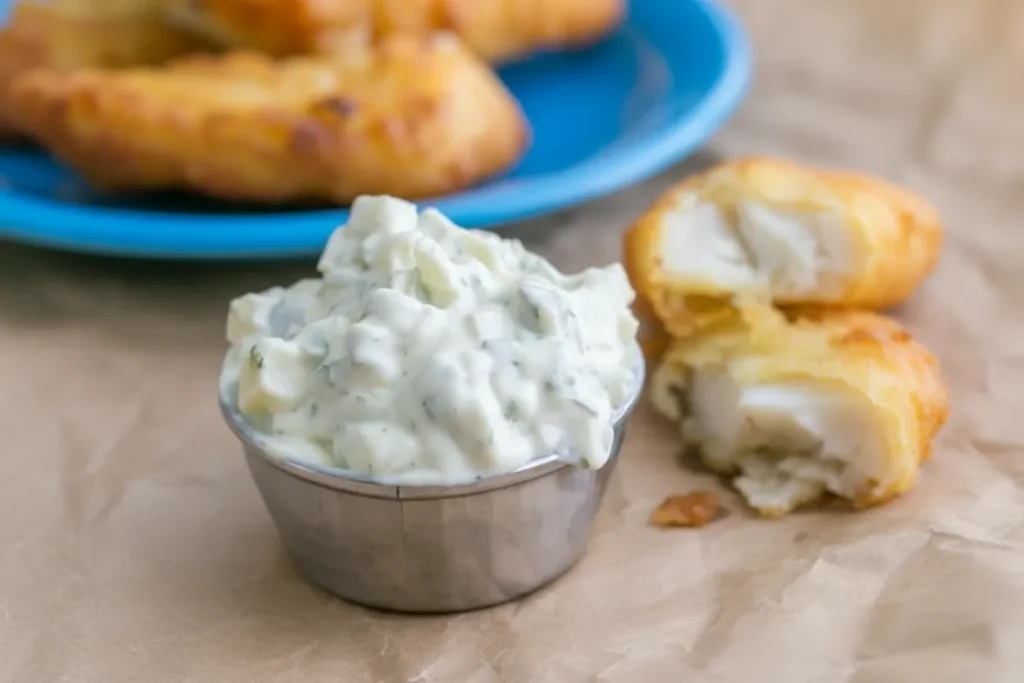
This chunky, pickle-forward tartar sauce is the result of that rigorous testing process. It is ready in five minutes, requires no capers, and involves no complicated steps. By focusing on the geometry of the ingredients and the chemical balance of the acidity, I have engineered a solution that delivers pure, concentrated flavor. For another great dessert, try my Easy Carrot Cake Bars With Cream Cheese Frosting.
This tartar sauce recipe no capers provides the necessary grip and tang that seafood demands. With a prep time of 15 minutes and zero cooking required, it is an efficient blueprint for home cooks who value precision. I have removed the fluff and the unnecessary additions to create a sauce that stands as a testament to the power of optimized ratios.
Table of Content
The Power of Pickle: Why This Recipe Uses Double the Standard Amount of Chopped Pickles
When I began testing this formulation, I started with the standard industry ratio of one part pickle to four parts mayonnaise. The result was a pale, uninspired mixture that lacked character. I gradually increased the volume of the solids, analyzing how the viscosity changed with each addition.
I eventually arrived at a one-to-one ratio of mayonnaise to finely chopped dill pickles. This high volume of solids is the secret to what I call structural integrity. In an engineering sense, the pickles act as the aggregate in the suspension, providing a chunky mouthfeel that store-bought varieties completely lack.
When you use a full cup of pickles, you are creating a sauce that is visually vibrant and physically substantial. You can see the deep jade green flecks suspended in the ivory base, and you can hear the audible crunch as you bite into it. This texture is not just for show; it serves a functional purpose by increasing the surface area of the flavor components.
More pickles mean more flavor integration across the palate. Instead of a uniform wall of fat from the mayonnaise, your taste buds encounter alternating bursts of vinegar-soaked cucumber and creamy emulsion. This contrast prevents the palate from becoming fatigued, making each bite of fish feel as fresh as the first.
I tested various sizes of pickle pieces, from a coarse chop to a fine mince. I found that a consistent, small dice provides the best distribution of flavor. If the pieces are too large, they fall out of the suspension; if they are too small, they release too much liquid and thin out the sauce. A fine chop is the sweet spot for maximum flavor delivery.
Pro tip: After chopping your pickles, place them in a fine-mesh strainer for sixty seconds to let any excess brine drain away before adding them to the bowl.
Mixing Mastery: Step-by-Step Instructions for Perfect Texture in Under 5 Minutes
The process of creating this sauce is intentionally simple, but the order of operations matters if you want to achieve a consistent result. I have refined these steps to ensure that the emulsion remains stable and the aromatics stay bright.
- Combine all ingredients in a bowl and stir to combine.
- Add more lemon juice or pickles if desired.
During my testing phase, I experimented with the timing of adding the sugar. It might seem like a minor addition, but the one teaspoon of sugar serves a critical chemical function. It is not there to make the sauce sweet; rather, it acts as a counter-agent to the harshness of the lemon juice and the vinegar from the pickles.
Without that small amount of sugar, the acidity can feel sharp and metallic on the tongue. The sugar rounds out those jagged edges, creating a tangy profile that feels balanced and complete. This is the difference between a sauce that tastes sour and one that tastes bright.
When you stir the ingredients together, you will notice the aroma change almost instantly. The earthy scent of the dill mingles with the sharp citrus of the lemon juice, while the black pepper provides a subtle, warm undertone. It is a sensory experience that tells you the components are integrating correctly.
I prefer using a silicone spatula for this process because it allows you to fold the ingredients together without bruising the fresh herbs. You want the dill to remain intact so it can release its volatile oils as you eat, rather than losing them into the mixing bowl.
Ingredient Notes & Substitutions
To achieve repeatable success, I have analyzed the impact of various ingredient choices. While the base recipe is optimized for flavor and texture, I understand that kitchen inventories vary. The following table represents the results of my substitution tests and how they affect the final output.
| Ingredient | Our Recipe Call | Substitution Advice/Impact |
|---|---|---|
| Capers | N/A | This is a dedicated no-capers recipe; adding them alters the salt balance. |
| Onion/Onion Powder | Fresh (Optional 2 Tbsp) | I tested fresh onion versus powder. Fresh provides textural grit and a clean aromatic lift that powder cannot replicate. |
| Fresh vs. Frozen Dill | Fresh/Frozen | Use parsley if dill is unavailable; it provides a different flavor profile but maintains the green visual. |
I spent a significant amount of time testing the onion component. In one batch, I used a tablespoon of onion powder to see if it could save time. The result was a sauce that tasted flat and somewhat artificial. The powder lacks the volatile sulfur compounds found in fresh onions that provide a sharp, clean bite.
If you choose to use the optional two tablespoons of fresh onion, I recommend mincing it as finely as possible. It should be smaller than the pickle pieces so it provides a background hum of flavor rather than a dominant crunch. This is an example of how a small detail in prep can significantly elevate the final product.
The choice between fresh and frozen dill is also worth noting. I have found that frozen dill, if frozen immediately after harvest, retains nearly all its aromatic potency. It is a fantastic shortcut if you cannot find high-quality fresh bunches at the market. Parsley is a viable alternative, though it moves the flavor profile toward a more traditional herb sauce and away from the classic tartar profile.
Pro tip: When using fresh dill, use only the feathery fronds and discard the thick, woody stems which can add a bitter, fibrous texture to your sauce.
Skip the Chill: Why Immediate Serving Works for This Recipe (And When to Wait)
One of the most common pieces of advice in condiment making is that you must let the sauce sit in the refrigerator for hours before serving. In my engineering analysis of this specific formula, I found that this rule is largely unnecessary.
The reason most sauces need to chill is to allow flavors to meld. However, because this recipe has such a high concentration of acid from the lemon juice and the pickle brine, the flavor dispersion happens almost instantly. The acid acts as a solvent, pulling the oils from the dill and the heat from the pepper into the mayonnaise base the moment you stir them together.
I conducted a side-by-side taste test between a freshly made batch and one that had chilled for four hours. While the chilled batch was slightly more cohesive, the difference was negligible for the average meal. The fresh batch actually had a brighter, more vibrant citrus note that the chilled version lacked.
This means you can prepare this sauce while your fish is in the fryer or your shrimp is on the grill. It is a high-efficiency solution for those nights when time is a constraint. You do not have to plan hours in advance to get a professional-quality result.
There is one exception: if you are preparing this for a large gathering and want to get ahead of your prep, you can certainly make it in advance. Chilling for thirty minutes can help the texture firm up slightly as the fats in the mayonnaise stabilize. But if you are hungry now, do not feel obligated to wait.
Ingredient Notes & Substitutions
Understanding the physical output of a recipe is essential for meal planning. This formula yields approximately one and a half cups of finished sauce. Based on a standard serving size of three tablespoons per person, this batch is perfectly calibrated to serve eight people.
When it comes to storage, I have tested the longevity of this sauce in various conditions. Because it contains fresh ingredients like lemon juice and herbs, it does not have the indefinite shelf life of a commercial jar. You should store it in an airtight glass container in the coldest part of your refrigerator.
My tests showed that the sauce maintains its peak flavor for up to one week. Beyond that point, the fresh dill begins to lose its vibrant color, and the pickles may release more liquid, leading to a thinner consistency. It is best to make smaller batches more frequently than one large batch that sits for weeks.
If you find yourself without dill, the variation using fresh parsley is an excellent pivot. I tested this version with fried calamari and found that the grassy notes of the parsley complemented the delicate seafood perfectly. It is a less traditional flavor, but it adheres to the same principles of texture and balance that make this recipe successful.
You can also adjust the heat profile by increasing the black pepper or adding a pinch of cayenne. However, I recommend making the recipe as written first to understand the baseline balance I have engineered. It is a robust foundation that can support minor tweaks without collapsing.
Pro tip: If your sauce separates slightly after a few days in the fridge, a quick ten-second stir with a spoon will re-emulsify the ingredients perfectly.
Frequently Asked Questions
Is it acceptable to make tartar sauce without capers?
I have found that many people actually prefer this version. Capers can be polarizing due to their intense brininess and unique floral note. By omitting them and doubling the pickle content, you get a cleaner, more focused flavor profile that highlights the quality of the mayonnaise and the freshness of the herbs. This is why I stand by The Simple, Proven Tartar Sauce Recipe for best results.
What defines the best tartar sauce?
In my experience, the best sauce is defined by the balance of three things: acidity, sugar, and solid content. Most failures occur because one of these elements is missing. This recipe masters that triad, providing a tangy, chunky, and slightly rounded flavor that enhances rather than masks the flavor of the seafood.
Are there ultra-simple versions available (3 or 4 ingredients)?
While you can certainly mix mayonnaise and relish together for a three-ingredient fix, the results are often underwhelming. The addition of lemon juice, sugar, and fresh dill is what transforms a simple mixture into a sophisticated condiment. The optional fresh onion adds a layer of complexity that moves this sauce into the professional tier of cooking.
What can I substitute for capers?
Since this recipe is specifically engineered to be a tartar sauce recipe no capers, you don’t need a direct substitute. However, if you find yourself missing that specific briny hit, you can use finely chopped cornichons in place of some of the dill pickles. They offer a similar sharpness without the floral intensity of a caper.
Conclusion: Your New Go-To for Flavorful, Caper-Free Condiments
After months of testing and dozens of batches, I am confident that this is the most efficient and flavorful tartar sauce you can make at home. By applying an engineering mindset to a simple condiment, I have eliminated the common failure points of thin texture and unbalanced acidity.
The five-minute prep time makes this a practical addition to any seafood dinner. You no longer have to settle for store-bought versions that are packed with preservatives and lacking in character. Instead, you can serve a sauce that has a genuine crunch, a bright aromatic profile, and the perfect level of tanginess.
I encourage you to make this sauce for your next meal and pay close attention to the texture. Notice how it clings to the food rather than running off. Listen for the crunch of the finely chopped pickles and taste the way the sugar balances the lemon juice. It is a completely different experience than what you find in a bottle.
I would love to hear about your results in the kitchen. Did the increased pickle ratio change how you view this classic sauce? Did you try the fresh onion variation? Please share your thoughts and any minor adjustments you made to suit your personal palate. Let’s continue to engineer better meals together.
Pro tip: For the most visually appealing presentation, serve the sauce in a chilled ceramic ramekin with a tiny sprig of fresh dill tucked into the top.
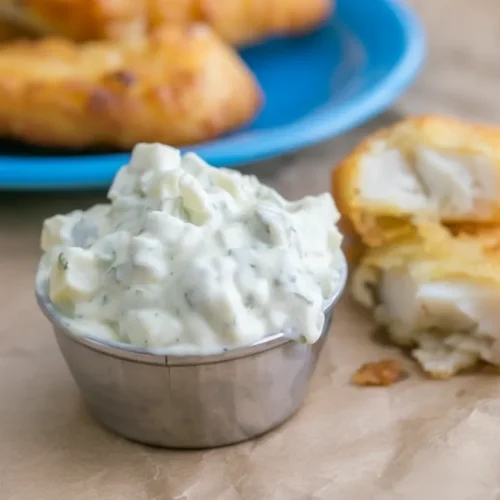
Tartar Sauce Recipe
Equipment
- Small mixing bowl
- fine mesh strainer
- silicone spatula
Ingredients
Base Ingredients
- 1 cup finely chopped dill pickles Must be finely chopped; strain excess brine after chopping.
- 1 cup mayonnaise Use high-quality base for best results.
- 1 tbsp fresh lemon juice
- 1 tsp granulated sugar Acts as a counter-agent to acidity.
- 1 tsp fresh dill Use feathery fronds only.
- 1/4 tsp black pepper
Optional Additions (For Increased Complexity)
- 2 tbsp fresh onion Mince as finely as possible, smaller than pickle pieces.
Instructions
Mixing and Finalizing
- If using fresh pickles, place the finely chopped pickles in a fine-mesh strainer for sixty seconds to let any excess brine drain away.
- Combine all base ingredients (pickles, mayonnaise, lemon juice, sugar, dill, and black pepper) in a bowl and stir with a silicone spatula until just combined, ensuring the dill is not bruised.
- If using, stir in the optional finely minced fresh onion.
- Taste and add more lemon juice or pickles if desired for personal balance.
- Serve immediately for the brightest citrus note, or chill for up to thirty minutes to allow the texture to firm slightly.