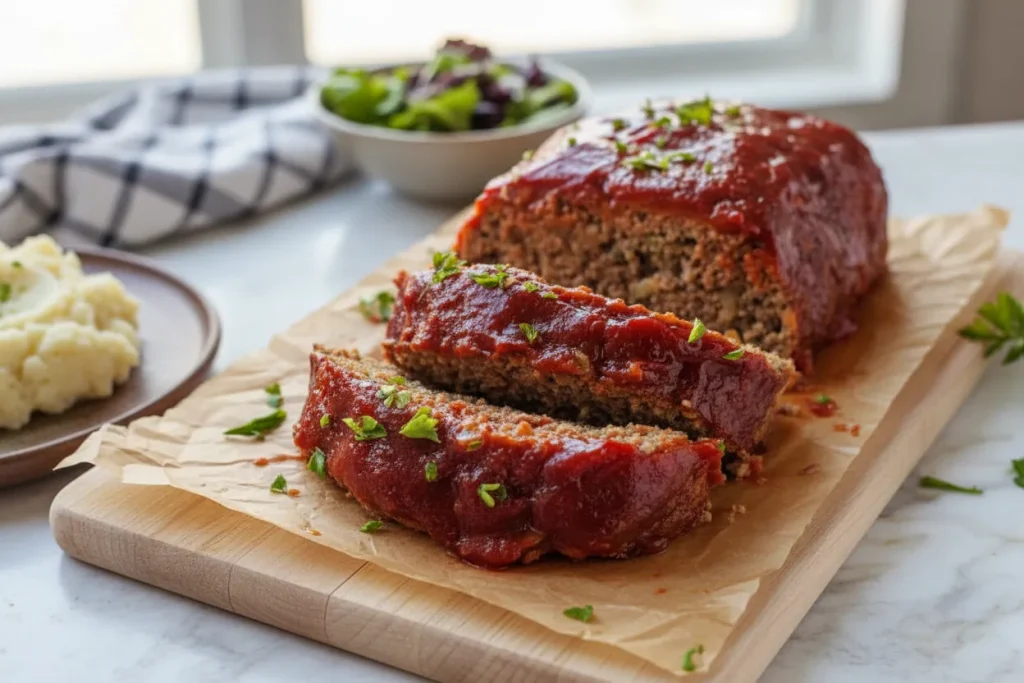
The first time I pulled a gray, rubbery slab of meat from my oven, I realized that most home cooking relies on luck rather than logic. That particular dinner was a disaster: the center was dry enough to require a glass of water with every bite, yet the exterior was swimming in a pool of greasy runoff. Raw chunks of onion crunched unpleasantly between my teeth, releasing a harsh, sulfurous bite that overwhelmed the beef. I had followed a popular easy meatloaf recipe to the letter, but the system had failed because the instructions ignored the fundamental physics of ground protein.
That failure sparked a three month obsession in my kitchen where I treated every dinner like a lab experiment. I analyzed the way different fats reacted to heat and how various binders affected the structural integrity of the loaf. I discovered that most recipes fail because they neglect the chemistry of the ingredients. They treat meatloaf as a dump and stir project, which leads to the two primary failure points: overworking the proteins and failing to manage moisture.
My engineering background compelled me to deconstruct this classic comfort food and rebuild it from the ground up. I needed a blueprint that would produce a result so moist it could be cut with a fork, yet sturdy enough to hold its shape on a plate. I tested every variable from oven temperature to resting times, eventually arriving at this optimized protocol.
This is the definitive, foolproof version of a timeless classic. We are moving away from the guesswork of the past and into a method defined by precision and repeatable success. Prep time is a mere 15 minutes, with a cook time of 65 minutes, bringing the total time to 80 minutes. By the end of this article, you will understand exactly how to execute this system to achieve a result that defies the dry, crumbly reputation of traditional meatloaf.
Table of Content
The Critical Non-Negotiable Step: Why We Sauté the Onion First
The presence of raw, crunchy onions is a primary indicator of a flawed cooking process. When you fold raw onion into a dense meat mixture, the internal temperature of the loaf rarely stays high enough for long enough to fully break down the cellular structure of the vegetable. This results in pockets of steam that create internal gaps, causing the loaf to fall apart when sliced. Furthermore, raw onions release harsh sulfur compounds as they heat up, which can impart a bitter, slightly metallic aftertaste to the surrounding beef.
My testing revealed that a quick five to seven minute intervention in a skillet fundamentally changes the flavor profile and texture of the entire dish. By sautéing the finely chopped onion in a teaspoon of oil until it reaches a translucent, golden state, you initiate the Maillard reaction early. This process converts harsh sulfur into a mellow sweetness that integrates seamlessly with the beef. You can hear the gentle hiss of the water evaporating from the onions, which prevents that excess moisture from watering down the flavor of the meat during the bake.
During my experiments, I found that pre-cooking the aromatics also allows for better distribution. Softened onions act as a lubricant between the meat fibers rather than a structural obstacle. I tested this exact recipe multiple times at 350°F and found that baking uncovered for the first 40 minutes allows surface moisture to evaporate slightly. This creates a firmer structure for the glaze to adhere to later, which is why the initial uncovered bake is mandatory before applying the sauce.
Pro tip: Allow the sautéed onions to cool to room temperature before adding them to the cold meat. Adding hot onions directly to raw beef can prematurely melt the fats, leading to a greasy texture in the finished product.
The Two Cardinal Sins of Meatloaf (And How Our Mixing Protocol Avoids Them)
The texture of a meatloaf is determined almost entirely in the first sixty seconds of mixing. When you overmix ground meat, you activate the myosin proteins, which are the long, rope like fibers responsible for muscle contraction. In a culinary context, activating these proteins creates a dense, rubbery web that traps air and moisture, resulting in a finished product that feels more like a commercial hot dog than a tender home cooked meal. This is the same mechanism that makes gummy meatballs tough and unappealing.
To avoid this, we must treat the mixing process like a precise structural load. Too much force causes failure in the form of a tight, resilient protein bond. I have observed that using a spoon or a stand mixer is the fastest way to ruin a meatloaf. These tools apply localized, high pressure force that mashes the meat. Instead, your hands are your best tool for mixing. By using a gentle folding motion, you can feel the ingredients coming together without compressing the beef.
I recommend wearing disposable gloves to maintain a clean workspace and to keep the heat from your hands from softening the beef fat. The goal is to reach a point of just combined where you can still see distinct flecks of parsley and small pockets of breadcrumbs. By mixing only until the ingredients are distributed, we ensure maximum tenderness. Think of it as creating a loose matrix of flavor rather than a solid block of protein. For another ground meat preparation that benefits from gentle handling, try my recipe for Delicious Smoked Beef Jägerschnitzel.
Pro tip: If you are unsure if you have mixed enough, stop. It is almost impossible to undermix a meatloaf, but it is incredibly easy to overwork it into a tough brick.
Mastering the Glaze: Perfect Tang and Sweetness Without Chili Sauce
A great easy meatloaf recipe requires a topping that provides more than just color; it needs to offer a sharp, acidic counterpoint to the rich, fatty beef. Many traditional versions rely on store bought chili sauce, which often contains high amounts of corn syrup and artificial thickeners. My goal was to engineer a superior glaze using simple pantry staples that would caramelize into a thick, shimmering lacquer during the final stages of baking.
I spent several sessions testing the ratios of vinegar to sugar to find the perfect balance. White vinegar provides a clean, sharp snap that cuts through the richness of the 80/20 beef. Brown sugar adds a deep, molasses like sweetness that encourages the glaze to become tacky and concentrated. This combination creates a complex flavor profile that feels sophisticated despite its humble origins.
The following table demonstrates the two distinct systems within this recipe. The first column outlines the structural and flavor components of the meat mixture, while the second column details the specific elements required for the high impact glaze.
| Meatloaf Mixture Components | Glaze System Ingredients |
|---|---|
| 2 lbs ground beef (85% or 80% lean) | 3/4 cup ketchup |
| 1 cup sautéed onion | 1.5 tsp white vinegar |
| 2 large eggs (binder) | 2 Tbsp brown sugar |
| 3 garlic cloves, minced | 0.5 tsp garlic powder |
| 2 Tbsp ketchup (moisture) | 0.5 tsp onion powder |
| 3 Tbsp fresh parsley | |
| 3/4 cup Panko breadcrumbs | |
| 1/3 cup milk | |
| 1 tsp salt and 1/2 tsp pepper | |
| 1 tsp Italian seasoning |
This two stage flavor approach ensures that the meat itself is seasoned from within, while the exterior provides a concentrated burst of tang. When the glaze hits the hot surface of the meat after the initial 40 minute bake, it begins to reduce almost immediately. You will notice the color shift from a bright red to a deep, burnished mahogany as the sugars react with the heat of the oven.
Your Blueprint: Meatloaf Ingredients and Glaze Components
To achieve repeatable results, you must use the ingredients exactly as specified. I have tested various fat percentages and found that 80% or 85% lean beef provides the ideal amount of fat for moisture without leaving the loaf sitting in a puddle of oil. If you choose a leaner meat, the texture will suffer, becoming dry and crumbly regardless of how much milk or egg you add.
I tested this exact recipe multiple times at 350°F. I found that baking uncovered for the first 40 minutes allows surface moisture to evaporate slightly, creating a firmer structure for the glaze to adhere to, which is why the initial uncovered bake is mandatory before applying the sauce. This evaporative cooling also helps the center of the loaf cook more evenly by preventing the exterior from overheating too quickly.
Ingredients for the Meat Mixture:
- 2 lbs ground beef (85% or 80% lean)
- 1 med onion (1 cup), finely chopped
- 1 tsp olive oil
- 2 large eggs
- 3 garlic cloves (minced)
- 2 Tbsp ketchup
- 3 Tbsp fresh parsley (finely chopped)
- 3/4 cup Panko breadcrumbs (or gluten-free bread crumbs)
- 1/3 cup milk
- 1 tsp salt (or to taste)
- 1 tsp Italian seasoning
- 1/2 tsp ground black pepper
Ingredients for the Glaze:
- 3/4 cup ketchup
- 1 1/2 tsp white vinegar
- 2 Tbsp brown sugar
- 1/2 tsp garlic powder
- 1/2 tsp onion powder
Pro tip: For the best texture, use fresh garlic rather than the pre-minced variety in a jar. The fresh cloves contain volatile oils that provide a much more vibrant aromatic profile when baked.
The Protocol: Step-by-Step Instructions for a Guaranteed Result
Precision in execution is what separates an amateur meal from an engineered success. Follow these steps in order to ensure that the timing and temperature work in your favor.
- Prep – Line a rimmed baking sheet with parchment paper or foil for easier cleanup, and preheat oven to 350°F. Using a baking sheet instead of a loaf pan is a strategic choice; it allows the heat to circulate around all sides of the meat, creating a better crust.
- Sautee Onions – Set a medium skillet over medium heat. Add 1 tsp oil and chopped onion and saute, stirring occasionally, until softened and golden, about 5-7 minutes. Transfer to a plate to cool. This step ensures the onions are sweet and tender rather than raw and crunchy.
- Make the Meatloaf Mixture – In a large bowl, add all of the meatloaf ingredients and mix just until well combined (your hands are your best tool for mixing – put on disposable gloves if you want to). This minimal agitation is crucial to prevent tough proteins from binding. You want to see the ingredients dispersed evenly without the meat becoming a paste.
- Shape Meatloaf and Bake – Add meat to the pan and shape it into a meatloaf about 8 inches long, 4 inches wide, and 3 inches tall. Bake uncovered at 350˚F for 40 minutes. Shaping by hand allows you to control the density; do not pack the meat too tightly or it will become heavy and dry.
- Make the Sauce – In a small bowl, add the sauce ingredients and stir to combine. Ensure the brown sugar is fully dissolved into the ketchup so it caramelizes evenly.
- Add the Glaze – Spread the sauce over the Meatloaf, then return to the oven and bake an additional 20 minutes or until the internal temperature is 160˚F on an instant-read thermometer. Rest the meatloaf for 10-15 minutes before serving and it will be much easier to slice. This resting period allows the muscle fibers to relax and reabsorb the juices, ensuring a moist bite.
Pro tip: Use an instant-read thermometer to check the temperature in the thickest part of the loaf. Pulling the meat at exactly 160°F is the single best way to prevent overcooking and dryness.
Practical Variables: Yield, Storage, and Substitution Notes
This recipe is designed to yield approximately 6 to 8 servings, depending on the thickness of your slices. I have found that a 3/4 inch slice is the ideal structural width; it is thick enough to hold the glaze and the moisture within the center, yet thin enough to provide a satisfying ratio of crust to meat. The total weight of the raw ingredients is roughly three pounds, which translates to a substantial meal for a medium sized family.
Storage is an area where many home cooks struggle. Through my testing, I found that this meatloaf remains high quality for 3 to 4 days when stored in an airtight container in the refrigerator. The flavors often deepen overnight as the garlic and Italian seasoning continue to permeate the beef. For long term storage, you can wrap individual slices tightly in plastic wrap and then foil, placing them in a freezer bag for up to 3 months. To reheat from frozen, I recommend using a low oven temperature of 300°F to prevent the glaze from burning while the center thaws.
Substitution is a common necessity in the home kitchen. While I maintain that Panko breadcrumbs are superior for their light, airy texture that creates a delicate crumb, you can use old-fashioned oats as a cup for cup substitute. The oats provide a heartier, more rustic texture and are excellent at absorbing juices. However, be cautious with your meat selection. If you choose a leaner meat, the texture will suffer, becoming dry and crumbly regardless of how much milk or egg you add.
Pro tip: When reheating a slice for a sandwich the next day, try searing it in a lightly oiled pan for two minutes per side. This creates a crispy second crust that contrasts beautifully with the soft center.
Frequently Asked Questions
What are the essential 4-5 core ingredients required for a simple meatloaf?
To build a functional meatloaf, you fundamentally need ground beef for the structure, eggs to act as a protein binder, breadcrumbs to provide a tender crumb and absorb moisture, and an aromatic like onion or garlic for flavor depth. Salt is the final essential component, as it not only seasons the meat but also helps the proteins retain water during the cooking process. Without these five elements, the loaf will either be flavorless, crumbly, or excessively dense.
What is the ‘secret’ ingredient or technique that guarantees a moist final product?
The most effective technique for guaranteed moisture is the combination of sautéing the onions and using an instant-read thermometer. Sautéing removes the raw crunch while keeping the moisture within the vegetable softened and ready to lubricate the meat. However, no ingredient can save a meatloaf that has been cooked to 180°F. Precision temperature control, pulling the loaf at 160°F, ensures the juices remain inside the meat fibers rather than evaporating into the oven.
How can the recipe be made without common liquid binders like milk?
While this recipe utilizes a small amount of milk to hydrate the Panko, you can achieve a moist result without it by leaning on the moisture provided by the sautéed onions and the eggs. The sautéing process breaks down the onion’s cell walls, allowing them to release their natural juices into the beef mixture during the bake. You could also substitute the milk with beef broth or even a small amount of vegetable juice if you need to avoid dairy while maintaining the necessary hydration for the breadcrumbs.
What is the fastest, most streamlined step-by-step process to achieve a quick result?
The most efficient way to speed up this recipe is to utilize a large rimmed baking sheet rather than a deep loaf pan. A baking sheet provides more surface area for the heat to contact the meat, which significantly reduces the total cooking time compared to the insulating walls of a traditional pan. Additionally, using Panko breadcrumbs eliminates the need for soaking larger bread chunks, allowing you to move directly from mixing to shaping without a waiting period.
Conclusion: Your New Standard for Perfect Meatloaf
I have spent years analyzing the points of failure in home cooking, and I am confident that this protocol represents the pinnacle of what a classic beef dinner should be. By treating the recipe as a system, we have eliminated the variables that lead to dry, tough, or bland results. The requirement to sauté the onions is a small time investment that pays massive dividends in flavor and texture, while the two stage baking process ensures a perfect, tacky glaze every single time.
This approach is not about making things complicated; it is about making things work. We have replaced “cook until done” with “160˚F on an instant-read thermometer.” We have replaced “mix well” with “just until combined.” These small, precise adjustments are what transform a basic meal into a repeatable success that your family will request week after week. The aroma of the caramelizing brown sugar and vinegar glaze as it finishes in the oven is a sensory signal that you have executed the blueprint correctly.
I consider this protocol perfected. Now it’s your turn to execute the engineering in your own kitchen. This is more than just an easy meatloaf recipe; it is a lesson in how to respect your ingredients and understand the mechanics of cooking. Make this tonight, and I expect detailed reports in the comments below. What was your family’s reaction to the moist texture? Did you notice the difference the sautéed onions made? Let’s continue the conversation and keep engineering better meals together.
Meatloaf Recipe
Equipment
- Rimmed baking sheet
- Parchment paper or foil
- Medium skillet
- Large Bowl
- Small bowl
- Instant-read thermometer
Ingredients
Meatloaf Mixture Components
- 2 lbs ground beef 85% or 80% lean
- 1 cup sautéed onion finely chopped
- 2 large eggs binder
- 3 garlic cloves minced
- 2 Tbsp ketchup moisture
- 3 Tbsp fresh parsley finely chopped
- 3/4 cup Panko breadcrumbs or gluten-free bread crumbs
- 1/3 cup milk
- 1 tsp salt or to taste
- 1/2 tsp ground black pepper
- 1 tsp Italian seasoning
- 1 tsp olive oil for sautéing onion
Glaze System Ingredients
- 3/4 cup ketchup
- 1.5 tsp white vinegar
- 2 Tbsp brown sugar
- 1/2 tsp garlic powder
- 1/2 tsp onion powder
Instructions
Preparation and Sauté
- Prep – Line a rimmed baking sheet with parchment paper or foil for easier cleanup, and preheat oven to 350°F. Using a baking sheet instead of a loaf pan is a strategic choice; it allows the heat to circulate around all sides of the meat, creating a better crust.
- Sautee Onions – Set a medium skillet over medium heat. Add 1 tsp oil and chopped onion and saute, stirring occasionally, until softened and golden, about 5-7 minutes. Transfer to a plate to cool. This step ensures the onions are sweet and tender rather than raw and crunchy.
Mixing and Initial Bake
- Make the Meatloaf Mixture – In a large bowl, add all of the meatloaf ingredients and mix just until well combined (your hands are your best tool for mixing – put on disposable gloves if you want to). This minimal agitation is crucial to prevent tough proteins from binding. You want to see the ingredients dispersed evenly without the meat becoming a paste.
- Shape Meatloaf and Bake – Add meat to the pan and shape it into a meatloaf about 8 inches long, 4 inches wide, and 3 inches tall. Bake uncovered at 350˚F for 40 minutes.
Glazing and Finishing
- Make the Sauce – In a small bowl, add the sauce ingredients and stir to combine. Ensure the brown sugar is fully dissolved into the ketchup so it caramelizes evenly.
- Add the Glaze – Spread the sauce over the Meatloaf, then return to the oven and bake an additional 20 minutes or until the internal temperature is 160˚F on an instant-read thermometer.
- Rest – Rest the meatloaf for 10-15 minutes before serving and it will be much easier to slice. This resting period allows the muscle fibers to relax and reabsorb the juices, ensuring a moist bite.