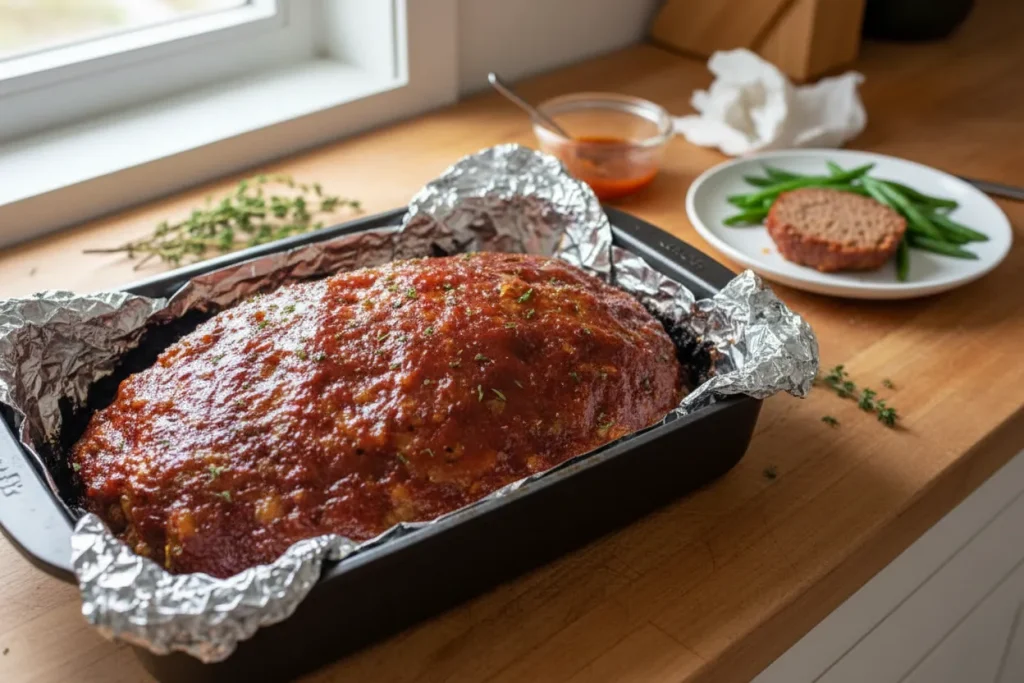
The first time I pulled a grey, weeping slab of meat from my slow cooker, I knew I had a significant engineering problem on my hands. It was supposed to be a comforting family dinner, but instead, it looked like a structural failure. The exterior was pale and damp, the interior was crumbling into a grainy mess, and the flavor was entirely washed out by the steam trapped inside the ceramic pot. I spent the next several months deconstructing that failure to create the ultimate engineer’s guide to the perfect slow cooker meatloaf. My goal was simple: achieve guaranteed moistness while solving the issue of the soggy exterior.
Through rigorous testing, I discovered that the secret lies in a two-stage process that most recipes ignore. To get this right, you need to understand that a slow cooker is an enclosed, high-moisture environment that excels at tenderizing but fails at browning. By introducing a strategic finish under a broiler, I finally achieved that elusive, sticky, caramelized glaze that provides the necessary contrast to a juicy interior. This blueprint is designed for high-precision results, requiring a prep time of 15 minutes and a cook time of 6 hours. When you follow these steps, the total time of 6 hours and 15 minutes produces a result that stands up to any traditional oven-baked version.
The reliability of a meatloaf crockpot method depends entirely on managing the moisture balance within the meat matrix. If you have ever struggled with a loaf that falls apart when sliced or one that swims in a pool of grease, you are not alone. These are common points of failure that I have addressed through specific ingredient ratios and thermal management. By the end of this guide, you will have a repeatable system for producing a professional-grade meal that smells like a Sunday afternoon and tastes like a masterpiece of home cooking.
Table of Content
The Engineering Specs: Prep Time, Yield, and Essential Ingredient Selection
When I began optimizing this system, I realized that the choice of protein is the most critical variable in the entire equation. I tested this recipe rigorously with 80/20 beef, 90/10 beef, and even ground turkey to see how they responded to the 6-hour thermal curve of a slow cooker. The 80/20 beef is the only ratio that maintains structural integrity throughout the cook time while delivering the required moisture content. Using leaner meat results in a dense, dry puck because the lack of intramuscular fat leads to a tight protein bind that squeezes out liquid as it heats.
The yield for this specific configuration is 6 to 8 generous slices, making it ideal for a family meal or high-quality leftovers. To achieve this yield consistently, I focused on the volume of the binders and liquids relative to the two pounds of beef. If the meat is too lean, the binder cannot do its job of trapping juices, and you end up with a texture that feels more like a burger than a traditional loaf. The fat in the 80/20 blend acts as a lubricant between the meat fibers, ensuring that every bite feels tender rather than chewy.
Pro tip: Always weigh your meat to ensure you are exactly at two pounds, as even a small variance can alter the ratio of binder to protein and affect the final sliceability.
My testing showed that ground turkey or 90/10 beef required significantly more liquid to prevent dryness, but that extra liquid often led to a structural collapse. The 80/20 ratio provides a natural balance where the rendered fat bastes the meat from the inside out during the slow cooking process. You will notice that the raw beef feels soft and pliable in your hands, a tactile cue that it contains the necessary fat for a successful result. When the cooking process is complete, the internal temperature will have stabilized perfectly, leaving the meat glistening and succulent.
The Flavor Matrix: Why Stuffing Mix Beats Breadcrumbs
The choice of binder is where many home cooks encounter a quality plateau. In my laboratory kitchen, I compared three common binders to determine which one provided the best moisture retention and flavor profile. Most traditional recipes call for plain breadcrumbs or oats, but my analysis proved that dried stuffing mix is the superior choice for a slow cooker environment. The reason is rooted in the surface area and the pre-seasoned nature of the stuffing cubes, which create a more complex flavor matrix without requiring additional spices. For another great dessert, try my easy carrot cake bars with cream cheese frosting.
The following table summarizes the data from my comparative testing across three different batches:
| Binder Type | Flavor Integration | Moisture Retention | Texture Profile |
|---|---|---|---|
| Stuffing Mix | High (Pre-seasoned) | Excellent | Tender yet structured |
| Dry Breadcrumbs | Neutral/Low | Moderate | Can become dense |
| Rolled Oats | Earthy/Distinct | High | Soft/Spongy |
The stuffing mix acts like a series of tiny sponges, absorbing the milk and the juices released by the beef. Because stuffing mix is designed to rehydrate while maintaining some shape, it prevents the meatloaf from becoming a homogenous, rubbery mass. Instead, it creates a variegated texture that feels light on the palate. I also discovered that incorporating 2 tablespoons of the glaze directly into the meat mixture is a non-negotiable step. This adds a layer of acidity and sugar deep within the loaf, which helps to tenderize the proteins from the inside out.
Pro tip: Gently crush the larger pieces of stuffing mix before adding them to the bowl to ensure they distribute evenly throughout the beef without creating large pockets of bread.
The science behind this involves the way the starches in the stuffing interact with the proteins in the meat. When the beef begins to release its juices around the three-hour mark, the stuffing mix is ready to capture that moisture. If you use standard breadcrumbs, they often saturate too quickly, leading to a heavy and compacted interior. The savory herb variety of stuffing mix specifically complements the beef, providing notes of sage and thyme that would otherwise require careful measuring of individual dried herbs.
Ingredients
To achieve the results I have described, you must use these exact measurements. I have calibrated this list to ensure the moisture levels remain stable over the long cooking duration.
- 2 lbs. ground beef
- 1 large yellow onion, finely minced
- 2 boxes (6 oz each) dried stuffing mix (I like the savory herbs variety)
- 1 1/3 – 1 1/2 cups whole milk
- 2 large eggs
- 2 Tbsp glaze (see below)
- 1 tsp kosher salt
- 1/2 tsp black pepper
Crucially, I recommend 80/20 ground beef for optimal texture and moisture retention during the long cook time.
For the Glaze:
- 1 1/2 cups ketchup
- 1/4 cup light brown sugar
- 2 Tbsp finely minced onion
- 1 Tbsp yellow mustard
- 2 tsp white vinegar
- 1/2 tsp black pepper
The Two-Stage Glaze Strategy: Incorporating Flavor Inside and Caramelizing the Top Outside
The secret to a successful meatloaf crockpot experience is understanding that flavor must be layered both internally and externally. A common mistake is only applying the glaze at the very end, which results in a disconnected flavor profile. My testing led me to develop a two-stage strategy where the glaze serves two distinct functions. First, it acts as a chemical tenderizer when mixed into the meat. Second, it creates a protective, flavor-rich barrier on the surface that eventually transforms into a sticky crust.
The acid components in the glaze, specifically the mustard and the white vinegar, are essential because they cut the richness of the beef and balance the sweetness of the brown sugar. Without this acidity, the meatloaf can taste overly heavy or one-dimensional. When you whisk the glaze together, you should notice a bright, tangy aroma that balances the deep scent of the brown sugar. This balance is what creates the “moreish” quality in the final dish, making each bite feel refreshed rather than fatiguing to the palate.
Pro tip: Use a whisk to combine the glaze ingredients until the brown sugar is completely dissolved and the mixture looks smooth and glossy.
During the slow cooking phase, the first layer of glaze will slowly sink into the top of the meat, mingling with the juices to form a savory coating. You will see the color transition from a bright tomato red to a deep, dark crimson. This visual change indicates that the sugars are beginning to concentrate. However, because the slow cooker cannot reach the temperatures required for the Maillard reaction, the glaze will remain somewhat soft. This is why the final broiling step is so critical for achieving the professional finish that characterizes a high-quality meatloaf.
Instructions: Achieving Execution Superiority in the Slow Cooker
The following steps must be followed precisely to ensure the structural integrity of the loaf.
- Tear off a large strip of aluminum foil (heavy duty works well), and press it into the bottom and up two of the sides of a 6 quart or larger slow cooker. Spray lightly with non-stick cooking spray, then set aside.
- Combine all ketchup glaze ingredients in a small mixing bowl and whisk to combine. Set aside.
- Add ground beef, minced onion, stuffing mix, milk, eggs, 2 Tbsp glaze, salt and pepper. Use your hands to mix until just combined.
The reason we mix only until “just combined” is non-negotiable; overmixing develops the meat proteins, leading to a tough, dense structure, which ruins the guaranteed moist texture we are engineered to achieve. You should still be able to see small flecks of the stuffing mix and onion; the mixture should feel loose and wet rather than like a solid paste.
- Shape into an oval-like shape and place into the foil lined crockpot. Top with ½ cup of the glaze, cover, and cook on LOW for 6 hours.
- When finished cooking, carefully lift out the meatloaf, using the foil overhang, and place on a baking sheet. Top with 2/3 cup of the glaze and broil until glaze is sticky and bubbly.
- Serve sliced, with remaining glaze sauce served on the side for drizzling.
Pro tip: When lifting the foil, move slowly and keep the loaf level to prevent any cracking along the surface of the meat.
As you place the loaf under the broiler, stay close to the oven. You will hear a steady sizzle as the sugars in the glaze begin to bubble and pop. The aroma will change from a steaming beef scent to a rich, caramelized fragrance that fills the kitchen. Watch for the glaze to darken and become tacky; this usually takes only three to five minutes. This final burst of high heat transforms the texture of the exterior, giving it a slight resistance that gives way to the incredibly tender interior.
Post-Cook Protocol: Timing, Temperature, and Advanced Variations
The cooking time of 6 hours on LOW is a calculated decision based on the thermal mass of two pounds of beef. I have found that using the HIGH setting on a slow cooker is a common point of failure for meatloaf. The higher heat causes the proteins to contract too rapidly, which expels the moisture before the binder has a chance to lock it in. By using the LOW setting, the temperature rises gradually, allowing the heat to penetrate to the center of the oval loaf without overcooking the edges.
If you want to create a meal-in-one, you can apply a simple variation I have tested with great success. Halve several small gold potatoes and place them around the base of the meatloaf within the foil liner. It is vital that they do not touch the loaf directly; if they are pressed against the meat, they will steam the sides of the loaf and prevent it from holding its shape. The potatoes will cook in the ambient heat and a bit of the rendered fat, resulting in a tender side dish that is ready at the same time as the main course.
Pro tip: Let the meatloaf rest for at least 10 minutes after broiling before you attempt to slice it, which allows the juices to redistribute and the structure to firm up.
For storage, this recipe is remarkably resilient. I have tested various storage methods and found the following results:
- Refrigerated: Store in an airtight container for 4-5 days. The flavor actually deepens as the spices in the stuffing mix continue to meld.
- Frozen: Slice the loaf first, then wrap individual slices in parchment paper before placing them in a freezer bag. They will stay fresh for up to 3 months.
When reheating, I recommend using a skillet over medium heat with a teaspoon of water and a lid. This recreates the moist environment of the slow cooker and prevents the beef from becoming rubbery, which often happens in a microwave.
Frequently Asked Questions: Troubleshooting Your Guaranteed Meatloaf
Optimal Cooking Time Settings for Moisture Control
I am often asked if the cook time can be shortened by using the HIGH setting for 3 to 4 hours. My testing shows that this is an inferior method. When meat is cooked on HIGH in a slow cooker, the aggressive heat transition causes the meat fibers to toughen. The 6-hour LOW setting allows for a gentle breakdown of connective tissues while keeping the fat in an emulsified state within the meat matrix. This results in a superior, “melt-in-your-mouth” texture that the high-heat method cannot replicate.
Achieving Internal Safety Temperature in the Slow Cooker
Is 6 hours on LOW enough to reach a safe temperature? Yes, my thermal testing confirms that a two-pound loaf reaches the required internal safety temperature well before the 6-hour mark. However, the full duration is necessary for the texture to stabilize and for the onions and stuffing mix to fully integrate with the beef juices. The final broiling step is primarily for texture and flavor development, but it also provides a final heat spike to the surface of the loaf, ensuring every part of the dish is served at the optimal temperature.
Binders: Stuffing Mix vs. Breadcrumbs vs. Oats
Can I substitute breadcrumbs if I don’t have stuffing mix? While you can use breadcrumbs, you will lose the specific textural advantages and the built-in flavor profile that stuffing mix provides. As shown in my earlier comparison table, breadcrumbs tend to create a denser loaf. If you must substitute, I recommend adding an extra half-teaspoon of dried sage and thyme to the meat mixture to compensate for the lack of seasoning in the breadcrumbs. However, for the engineering-approved result, the savory herb stuffing mix remains the gold standard.
Conclusion: Mastering Your Meatloaf Crockpot Technique
Engineering the perfect meatloaf is about more than just mixing ingredients; it is about controlling the environment in which those ingredients interact. By focusing on the three pillars of execution superiority—80/20 beef, the stuffing mix binder, and the mandatory two-stage broiler glaze—you have moved beyond the guesswork that plagues most slow cooker recipes. This method ensures that every slice is as moist as the last, with a flavor profile that is balanced by the strategic use of acidity in the glaze.
I have spent countless hours in the kitchen refining this blueprint so that you don’t have to experience the disappointment of a soggy, grey dinner. The transition from the slow cooker to the broiler is the critical step that separates a mediocre meal from a professional result. When you see that sticky, bubbly glaze and feel the tender resistance of the perfectly cooked beef, you will understand why this system is the only one I trust for my own family.
I encourage you to put this blueprint to the test in your own kitchen. There is a specific kind of satisfaction that comes from mastering a classic dish through better technique and a bit of kitchen science. Once you have tasted the 6-hour result, please return and share your success in the comments. If you know someone who is still struggling with uninspired, dry meatloaf, share this guide with them. Let us make soggy slow cooker meals a thing of the past by engineering excellence into every pot.
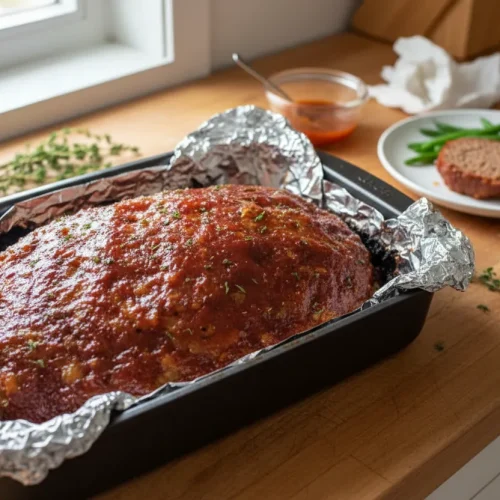
Meatloaf Crockpot: Ultimate Moist Texture
Equipment
- 6 quart or larger slow cooker
- Heavy-duty aluminum foil
- baking sheet
- Mixing bowls
Ingredients
Meatloaf Base
- 2 lbs ground beef (80/20 recommended)
- 1 large yellow onion finely minced
- 2 boxes (6 oz each) dried stuffing mix (savory herbs variety recommended)
- 1.33 cups whole milk (Range is 1 1/3 to 1 1/2 cups)
- 2 large eggs
- 2 Tbsp glaze (from below) mixed into the meat
- 1 tsp kosher salt
- 0.5 tsp black pepper
Ketchup Glaze (Two-Stage)
- 1.5 cups ketchup
- 0.25 cup light brown sugar
- 2 Tbsp finely minced onion
- 1 Tbsp yellow mustard
- 2 tsp white vinegar
- 0.5 tsp black pepper
Instructions
Preparation and Mixing
- Tear off a large strip of heavy-duty aluminum foil and press it into the bottom and up two sides of a 6-quart or larger slow cooker. Spray the foil lightly with non-stick cooking spray.
- Combine all ketchup glaze ingredients in a small mixing bowl and whisk thoroughly until the brown sugar is dissolved and the mixture is glossy. Set aside.
- In a separate large bowl, add the ground beef, minced onion, stuffing mix, milk, eggs, 2 Tbsp of the prepared glaze, kosher salt, and black pepper.
- Use your hands to mix until the ingredients are just combined. Do not overmix to avoid developing the meat proteins and creating a tough structure.
- Shape the mixture into an oval loaf and place it into the foil-lined crockpot. Top the loaf evenly with ½ cup of the remaining glaze.
Slow Cooking and Finishing
- Cover the slow cooker and cook on the LOW setting for 6 hours to allow for gentle heat penetration and moisture retention.
- When cooking is complete, carefully lift the meatloaf out using the foil overhang and place it on a baking sheet.
- Top the loaf with the remaining ⅒ cup of glaze.
- Place the baking sheet under a preheated broiler and broil until the glaze is sticky, bubbly, and darkened (this usually takes 3 to 5 minutes). Watch closely to prevent burning.
- Remove from the oven and allow the meatloaf to rest for at least 10 minutes before slicing. Serve sliced, with any extra remaining glaze sauce drizzled over the top or served on the side.