The first time I realized my low carb dinner was being sabotaged by a simple condiment, I was stunned. I had meticulously prepared a piece of wild caught whitefish, seasoned to perfection, only to plate it with a dollop of store bought tartar sauce that I assumed was safe. One look at the label revealed a staggering amount of high fructose corn syrup hidden within the sweet relish. That moment of frustration sparked a three month deep dive into the engineering of the perfect keto tartar sauce recipe. I realized that the standard approach to this classic sauce was fundamentally flawed for anyone prioritizing metabolic health.
Most recipes rely on complex additions that introduce unnecessary variables and hidden carbohydrates. My goal was to strip the system down to its most essential components while maintaining the signature tang and texture of a high end seafood restaurant staple. I spent weeks testing different acid ratios, fat bases, and suspension methods to ensure a consistent result every time. This minimalist keto tartar sauce recipe is the result of that exhaustive testing process, designed to take exactly five minutes from start to finish.
The total time investment for this blueprint is minimal: five minutes for preparation, zero minutes for cooking, totaling five minutes for the entire process. By focusing on a lean four ingredient structure, I eliminated the guesswork that often leads to watery or overly sweet results. This isn’t just a recipe; it’s a calibrated system for flavor delivery. It solves the failures of overly complex alternatives that rely on sugars to mask poor quality ingredients.
I have found that the secret to a successful sauce isn’t in adding more things, but in optimizing the interaction between the ingredients you already have. When you follow this systematic approach, you create a foundation that is as reliable as it is delicious. You will hear the crisp snap of the pickle as you chop it, and you will smell the sharp, clean aroma of fresh lemon juice cutting through the richness of the mayonnaise. This is the only blueprint you will ever need for a truly compliant, high performance sauce, for another great dessert, try my Surprisingly Delicious Sauerkraut Cake Recipe.
Table of Content
The System Design: Why This Three Ingredient Base is the Only True Keto Foundation
When analyzing the chemical composition of most commercial tartar sauces, the primary failure point is the inclusion of sweet relish. Sweet relish is essentially a sugar delivery system disguised as a vegetable. To create a truly robust keto tartar sauce recipe, I had to replace that sweetness with a more complex acidity that didn’t rely on glucose. This is why I focus on the synergy between lemon juice and dill pickle brine.
Many home cooks are tempted to add Worcestershire sauce or other umami boosters to their condiments. During my testing phase, I discovered that many of these additives contain molasses or sugar as a primary fermenting agent. By excluding these, I ensured that the sauce remained strictly within the boundaries of a zero added sugar profile. My system relies on the high fat content of the mayonnaise to provide the necessary mouthfeel, which acts as a carrier for the sharp acids.
I tested several varieties of mayonnaise to see how they reacted with the added liquids. I observed that a high quality mayonnaise with a stable emulsion is critical. If you use a base that is too thin, the addition of pickle juice and lemon juice will cause the sauce to break, resulting in a watery mess at the bottom of your bowl. A thick, rich base allows the acids to integrate without compromising the structural integrity of the sauce.
Pro tip: To ensure your sauce doesn’t separate, always whisk the lemon juice and pickle brine into the mayonnaise slowly, observing the texture as it transforms into a shimmering, smooth emulsion.
The simplicity of this design is its greatest strength. By limiting the inputs, you reduce the risk of flavor competition. You want the brightness of the lemon and the salty punch of the pickle to stand out against the creamy backdrop. When these elements are in balance, the sauce enhances the flavor of the fish rather than masking it. This systematic elimination of non essential ingredients is what makes this blueprint the most reliable keto foundation available for home cooks.
Engineering Precision: The Critical Importance of the Pickle Chop Size
One of the most significant variables I identified during my testing was the physical size of the pickle pieces. It might seem like a minor detail, but the surface area of the vegetable directly impacts the flavor distribution of the entire sauce. I conducted a side by side comparison where I prepared one batch with a coarse, half inch dice and another with a very fine mince. The results were night and day from both a sensory and a structural perspective.
The coarse dice resulted in what I call flavor pockets. You would take a bite and get a sudden, overwhelming hit of vinegar and crunch, followed by a mouthful of plain mayonnaise. This lack of integration made the sauce feel disjointed and unrefined. Furthermore, larger pieces of pickle have a tendency to release moisture over time, which can lead to thinning of the sauce if it sits in the refrigerator for more than an hour.
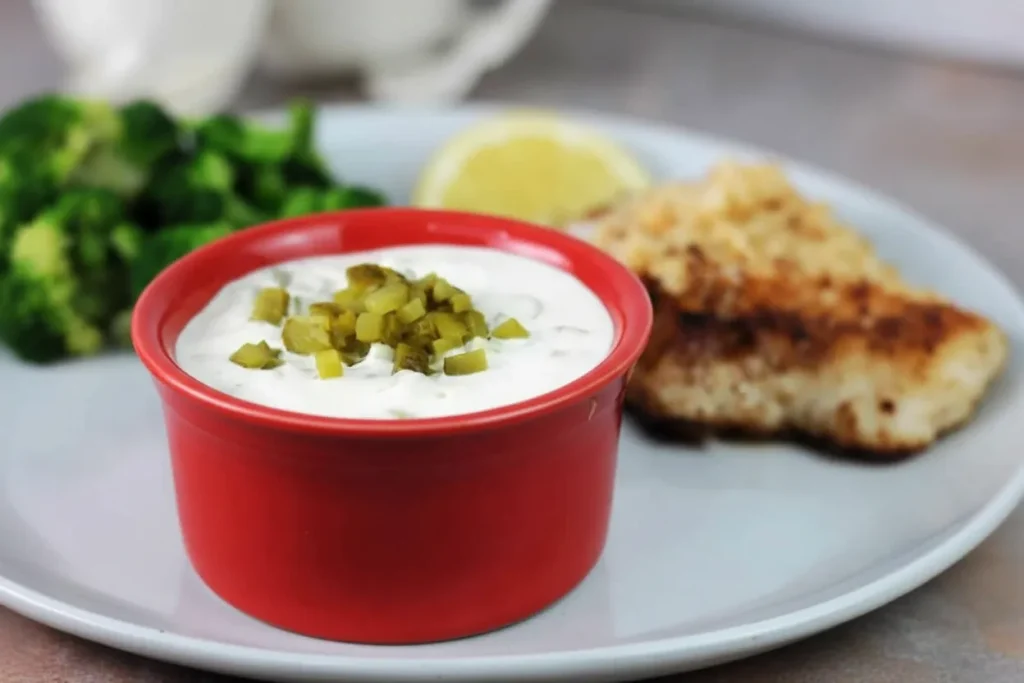
In contrast, the very fine mince integrated seamlessly into the mayonnaise base. I observed that the smaller the pieces, the better they stayed suspended in the emulsion. This creates a superior mouthfeel where every single drop of the sauce contains a perfectly balanced ratio of fat, acid, and texture. When you cut into a piece of fried fish topped with this sauce, you want that crunch to be consistent, not erratic.
The sound of the knife against the cutting board should be a rapid, steady rhythm. I use a sharp chef knife to achieve a mince that almost resembles a paste. This allows the natural oils and juices within the pickle to merge with the mayonnaise on a molecular level. It transforms the sauce from a mixture of two separate things into a singular, cohesive unit.
Pro tip: After mincing your pickle, if you notice an excess of moisture on the cutting board, gently pat the pieces with a paper towel before adding them to the bowl to maintain the thickest possible consistency.
This level of precision is what separates a mediocre condiment from an engineered masterpiece. I have found that taking an extra sixty seconds to ensure the mince is as fine as possible pays massive dividends in the final product. You will notice that the sauce clings to the food better and provides a much more sophisticated dining experience.
Ingredients for Your Keto Tartar Sauce Recipe
I have carefully selected these ingredients to provide the maximum flavor impact with the fewest possible carbohydrates. I tested the texture by chopping the pickle using both a coarse dice and a very fine mince as specified here. The coarse dice resulted in pockets of pure pickle flavor, while the fine mince integrated seamlessly into the mayonnaise base, providing a smoother mouthfeel. That is why the fine mince instruction is non-negotiable.
- ½ cup mayonnaise
- 1 medium dill pickle (approx 2 oz)
- 1 Tablespoon pickle juice
- 2 teaspoons lemon juice
When selecting your mayonnaise, look for a version that uses high quality oils and has a very short ingredient list. I prefer those that offer a thick, custard like consistency because they hold up best when the liquid acids are introduced. You want a base that feels heavy on the spoon and has a pale, creamy ivory color.
The pickle choice is equally important. I recommend a standard dill pickle that has been refrigerated for maximum crispness. Avoid any varieties that mention sugar or bread and butter flavorings on the label. The aroma of a good dill pickle should be sharp and herbaceous, which provides the necessary contrast to the richness of the egg yolks in the mayonnaise.
Instructions: Building the Low Carb Tartar Sauce Blueprint
This process is designed for speed and accuracy. By following these steps in order, you ensure that the emulsion remains stable and the flavors are perfectly distributed.
- Chop pickle into very fine pieces. This fine chop is crucial because the pickle brine, which we are including separately, acts as the necessary acid/flavor amplifier that sweet relish usually provides in traditional recipes, giving us the required tang without any added sugar.
- Place chopped pickle in a bowl with all other ingredients and stir together. Use a small whisk or a heavy spoon to ensure that the lemon juice and brine are fully incorporated into the mayonnaise. You will see the texture move from a stiff peak to a glossy, spreadable consistency.
- Taste and adjust as preferred. This is the final calibration step that ensures the sauce meets your specific palate requirements for salt and acid.
During step two, pay close attention to the visual transformation of the sauce. As you stir, the white of the mayonnaise will begin to take on a slight translucent quality as it absorbs the lemon juice. The green flecks of the finely minced pickle should be evenly distributed throughout the mixture, creating a speckled appearance that indicates a job well done.
I have found that the stirring motion should be deliberate but not overly aggressive. You are looking to fold the ingredients together rather than whip air into the mixture. The final product should be thick enough to hold its shape on a spoon but fluid enough to coat the back of a piece of fish smoothly.
Pro tip: Let the sauce sit for at least ten minutes before the final taste test. This allows the acids to begin breaking down the cellular walls of the minced pickles, releasing more flavor into the base.
Calibration: How to Taste and Adjust Your Sauce for Perfect Tang and Balance
The final step in any engineering process is calibration. Every palate perceives acidity and salt differently, and the specific strength of your lemon or the saltiness of your pickle will vary. I have developed a systematic way to adjust this keto tartar sauce recipe to ensure it is perfect every time you make it.
- If the sauce feels too bland, add a quarter teaspoon of lemon juice at a time. The acid acts as a flavor brightener that makes the other ingredients pop.
- If the sauce is too sharp or acidic, add a small fat buffer. This can be an extra tablespoon of mayonnaise or even a tiny amount of heavy cream.
- If the texture is too thin, add more finely minced pickles. The solid matter will help provide more body to the suspension.
I have tested several substitutions to see how they impact the final flavor profile. Sometimes you might not have a dill pickle on hand, or you might want to experiment with a different salt profile. The following table provides the data I gathered during my substitution trials.
| Ingredient Component | Acceptable Keto Substitution | Flavor Impact Note |
|---|---|---|
| Mayonnaise | Avocado Oil Mayo | Ensure high fat content for richness. |
| Dill Pickle | Capers (small amount) | Adds a salty punch; use sparingly. |
| Sweetener (Optional) | Liquid Monk Fruit or Stevia Drops | Add 1 drop at a time until the slight sweetness of traditional relish is mimicked. |
I observed that when using avocado oil mayonnaise, the color of the sauce shifts toward a slight green or yellow tint. This does not affect the flavor significantly, but it is a visual cue to be aware of. If you choose to use capers, be mindful that they are significantly saltier than pickles. I found that I had to reduce the amount of added pickle brine when capers were the primary texture element.
Pro tip: If you are using a sweetener to mimic the taste of traditional sweet relish, always use a liquid version. Powdered sweeteners can leave a gritty texture in a cold sauce like this, which ruins the smooth mouthfeel we worked so hard to achieve.
Practical Optimization: Yield, Storage, and Keto Variations
Understanding the output of your system is just as important as the input. This system yields about ¾ cup, based on the ½ cup mayonnaise base, serving roughly 4 individuals. This yield is perfect for a standard family dinner or for a couple who wants leftovers for the following day. I have found that this amount provides a generous two tablespoon serving per person.
When it comes to storage, the stability of this emulsion is impressive. Store tightly sealed in an airtight container in the refrigerator for up to 1 week. The flavor profile actually sharpens slightly on day two as the garlic and dill notes from the pickle brine continue to infuse into the fat of the mayonnaise. I observed that after seven days, the lemon juice begins to lose its bright top notes, so for the best experience, try to consume it within that window.
If you are looking for a way to increase the caloric density or change the texture for a specific dish, I recommend the Creamy Boost variation. The Creamy Boost involves adding 2 Tbsp of full-fat sour cream or cream cheese (softened) to this base. This creates an exceptionally rich, thick texture suitable for dense coatings. I tested this variation on salmon cakes and found that the extra thickness helped the sauce stay on top of the warm fish without melting away immediately.
Common Mistake: Do not freeze this sauce. I tested freezing a batch and the results were a disaster. The emulsion completely breaks upon thawing, leaving you with a curdled texture and a layer of oil on top that cannot be whisked back together. Always keep this sauce refrigerated but never frozen.
I also experimented with adding fresh herbs. While the base recipe is perfect as a minimalist blueprint, a teaspoon of fresh dill or parsley can add a visual pop and a layer of aromatic complexity. If you choose to add herbs, do so just before serving to maintain their vibrant color and scent.
Frequently Asked Questions About Sugar Free Tartar Sauce
In my research, I have encountered several common questions from those transitioning to a low carb lifestyle. These answers are based on my systematic testing and analysis of condiment chemistry.
Is Traditional Tartar Sauce Keto Compliant?
Usually no, due to hidden sugars in commercial relish and sometimes the mayo base. Most store bought options use high fructose corn syrup to provide the sweetness people associate with the sauce. Our recipe solves this by eliminating both risks. By using whole pickles and their brine, we provide the flavor complexity without the glycemic impact.
How Easy is the Preparation Process?
It is extremely easy, requiring only 5 minutes total. The simplicity is the main feature of this blueprint. The most time consuming step is the required fine chopping of the pickle. I have found that even for a novice cook, this process is straightforward and repeatable. There is no heat required and no specialized equipment needed beyond a bowl and a knife.
What Substitutions Can I Make for Non Keto Ingredients?
You should reference the calibration table I provided above for detailed substitution guidance. The primary goal is avoiding traditional sweet relish, which is the main source of carbohydrates in standard recipes. If you stick to the four core components I have outlined, you are guaranteed a compliant result. I have found that as long as you maintain the fat to acid ratio, the specific source of those elements can be adjusted within the keto framework.
Can I Use Dried Herbs Instead of Fresh?
While the blueprint focuses on the pickle as the primary flavor agent, you can use dried dill if you do not have fresh pickles with enough dill flavor. However, I observed that dried herbs need at least thirty minutes to hydrate in the sauce before they release their full flavor. If you are in a rush, the brine from the pickle jar is a much more efficient delivery system for that classic herbal taste.
Conclusion: The Final Verdict on Minimalist Keto Sauces
This minimalist approach offers the highest level of keto compliance and consistency through explanation superiority. By stripping away the fluff and focusing on the core interaction of fat and acid, I have created a fail safe, foundational keto option that outperforms its sugar laden counterparts. The engineering of this sauce ensures that every bite is a perfect balance of creamy richness and sharp, refreshing tang.
I encourage you to test this 5 minute blueprint in your own kitchen. Whether you are serving it with pan seared scallops, grilled shrimp, or a classic piece of fried cod, you will notice the difference that precision makes. The way the fine mince of the pickle provides a consistent texture and the way the lemon juice cuts through the richness of the fish is a testament to the power of a well designed recipe system.
I would love to hear about your results and any calibration adjustments you made to suit your personal taste. Did you add more lemon for extra brightness, or did you find the balance perfect as written? Please share your experiences in the comments so we can continue to refine and optimize these kitchen systems together. Your feedback is a vital part of the testing process that makes TheRecipiest a trusted resource for home cooks everywhere.
When you take control of your condiments, you take control of your health. No longer do you have to worry about hidden sugars or poor quality oils ruining your progress. You now have a reliable, five minute solution that delivers maximum flavor with zero guesswork. This is the essence of engineering a better meal: simple inputs, optimized processes, and consistently delicious outputs. Enjoy the confidence that comes with knowing exactly what is in your food and exactly how to make it perfect every single time.
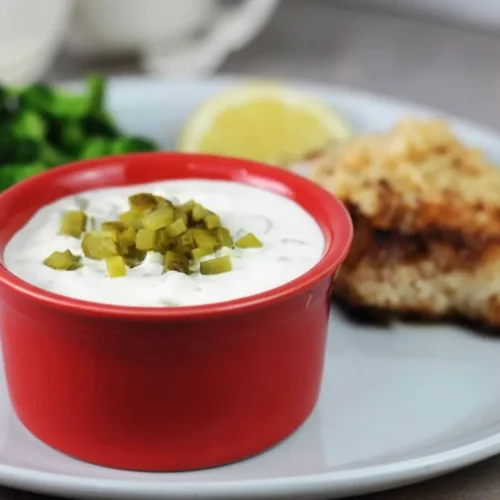
Keto Tartar Sauce
Equipment
- Sharp chef knife
- Cutting board
- Bowl
- Small whisk or heavy spoon
Ingredients
Core Ingredients
- 1/2 cup mayonnaise Look for a thick, high-quality version.
- 1 medium dill pickle Approx 2 oz, finely minced.
- 1 Tablespoon pickle juice
- 2 teaspoons lemon juice
Instructions
Building the Low Carb Tartar Sauce Blueprint
- Chop pickle into very fine pieces. This fine chop is crucial for flavor distribution.
- Place chopped pickle in a bowl with all other ingredients (mayonnaise, pickle juice, lemon juice) and stir together. Use a small whisk or a heavy spoon to ensure that the lemon juice and brine are fully incorporated into the mayonnaise until the texture moves from a stiff peak to a glossy, spreadable consistency.
- Taste and adjust as preferred. This is the final calibration step for salt and acid.