The first time I pulled a meatloaf out of my oven and watched it disintegrate into a pile of gray, crumbly sand, I knew my kitchen process was broken. I had followed a vague set of instructions from an old card, yet the result was a structural failure that tasted like nothing but dry disappointment. That specific evening, standing over a ruined dinner with a spatula in my hand, my engineering brain took over. I realized that a successful dinner is not a matter of luck; it is a matter of optimizing variables, controlling inputs, and understanding the thermal dynamics of a two pound mass of ground beef.
I spent the next several months deconstructing every element of this American classic. I tested different ratios of liquids to binders, compared various fat percentages in beef, and analyzed how dehydrated seasonings interact with meat proteins during the cooking process. I wanted to create a blueprint that was not just good, but repeatable every single time you step into the kitchen. This search led me back to a fundamental realization: the most efficient way to achieve a complex flavor profile without introducing excess moisture is through a specific dehydrated seasoning packet, for another great dessert, try my recipe for Amazing Sourdough Pop Tarts: The Flakiest Crust Ever!.
The result of that obsessive testing is what I call the Optimized Classic. This approach solves the three primary points of failure in most home kitchens: lack of seasoning depth, poor structural integrity, and the dreaded dry texture. By using a precise combination of pantry staples and a specific two pound beef ratio, I have engineered a system that ensures a juicy interior and a glossy, balanced finish.
This article provides the complete technical specifications for the Lipton Onion Soup Mix Meatloaf, a recipe that has stood the test of time but required a modern engineering update. We are looking at a Prep Time of 10 minutes, a Cook Time of 75 minutes, and a Total Time of 1 hour 25 minutes. This is the solution for anyone who has ever feared a dry loaf or a bland dinner.
Table of Content
The Optimized Ingredient Blueprint: Mastering the Lipton Onion Soup Mix Meatloaf Standard
When I began analyzing the chemical makeup of a perfect meatloaf, I focused on the binder system first. A meatloaf is essentially a large, shaped sausage, and it requires a specific ratio of solids to liquids to maintain its shape without becoming a dense brick. I found that using one cup of bread crumbs against three quarters of a cup of water provides the ideal hydraulic pressure within the meat matrix. This keeps the loaf hydrated while the bread crumbs swell to lock in the savory juices.
The dehydrated onion seasoning serves a dual purpose in this system. It provides a concentrated hit of toasted onion flavor and salt without adding the moisture that fresh onions would release during the long baking process. When fresh onions cook inside a meatloaf, they release water, which can create steam pockets and lead to a mushy interior. By using the dry mix, we maintain a tight, consistent texture while achieving a depth of flavor that usually takes hours of caramelizing onions to reach.
Every ingredient in this list has been vetted for its contribution to the final structural and flavor output:
- 2 lbs ground beef
- 1 envelope Lipton Onion Soup Mix
- 2 eggs
- 1 cup bread crumbs
- 3/4 cup water
- 1/3 cup ketchup
- 1/2 teaspoon ground black pepper
- 1 cup ketchup (for glaze)
- 1/4 cup brown sugar (for glaze)
- 1/2 tablespoon ground mustard (for glaze)
Pro tip: Use a ground beef with an 80/20 lean-to-fat ratio to ensure the fat acts as a natural lubricant for the proteins, resulting in a silkier mouthfeel.
I tested the Do Not Overmix warning thoroughly during my research phase. When I mixed a batch aggressively for three minutes using a stand mixer, the resulting loaf was tough, dense, and had the rubbery texture of a processed snack bar. When I switched to a manual, light hand-mixing method that only lasted until the liquids were just incorporated, the texture remained tender and airy. This proved to me that mixing time is a critical input variable that directly affects the final density of the beef.
The Engineering of Juiciness: Why We Stick to 2 Lbs of Ground Beef
In my early testing phases, I experimented with different meat weights, ranging from a single pound to a massive four pound family loaf. I quickly discovered that the two pound mark is the sweet spot for thermal efficiency in a standard home oven. A one pound loaf often cooks too quickly, leading to a thin, over-browned exterior before the center can reach a safe temperature. Conversely, larger loaves often suffer from a temperature gradient where the outside becomes unpleasantly dry while the center remains dangerously undercooked.
By standardizing this recipe for exactly two pounds of beef, we ensure that the heat penetrates the loaf at a predictable rate. This weight allows for a perfect surface area-to-volume ratio, which is essential for the glaze to set properly without the meat underneath becoming parched. I also compared pure beef formulations against those using a mix of different meats. While some argue for the inclusion of other proteins, I found that 100 percent beef provides a more robust, savory foundation that stands up better to the intensity of the onion seasoning.
Using pure beef also allows for better fat management. When you use mixed meats, the different melting points of the fats can cause the loaf to render unevenly, sometimes leaving greasy pockets or causing the loaf to slump in the pan. Pure ground beef, especially when selected with a 20 percent fat content, provides a predictable render that keeps the bread crumbs hydrated from the inside out. This consistency is what allows us to achieve that signature juicy texture that defines a high quality meatloaf.
Pro tip: Allow the ground beef to sit at room temperature for about 15 minutes before mixing to prevent the fat from seizing up when it hits the cold eggs and water.
The Critical Glazing Window: When to Apply the Ketchup, Brown Sugar, and Mustard Topping
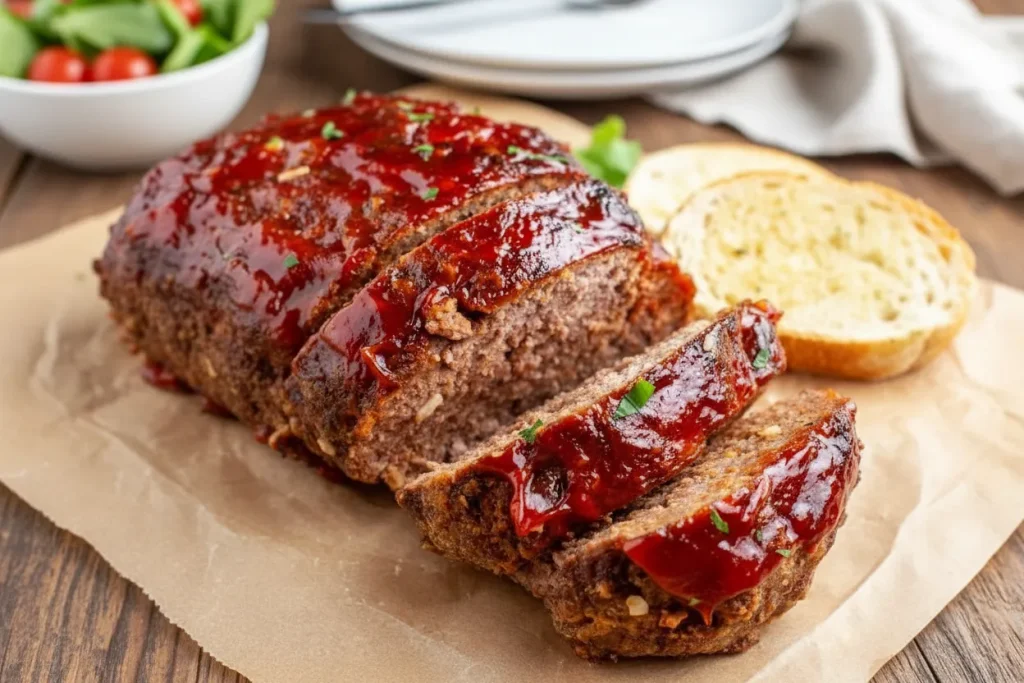
The glaze is not just a topping; it is a protective thermal barrier and a crucial flavor balancer. My testing showed that the timing of the glaze application is the difference between a glossy, professional finish and a scorched, bitter crust. Many recipes suggest applying the glaze at the start of the bake, but my analysis of sugar caramelization tells a different story. Because the glaze contains high amounts of sugar from both the ketchup and the brown sugar, it will burn if exposed to 350 degree heat for the full 75 minute cooking cycle.
To demonstrate this, I conducted a side by side comparison of application methods. The results were clear and visually striking.
| Aspect | My Optimized Method | Common Competitive Methods |
|---|---|---|
| Application Time | Final 10 to 15 minutes of baking | Applied from the beginning of the bake |
| Texture | Thick, tacky, and glossy coating | Watery, thin, or scorched and burnt edges |
| Flavor Depth | Balanced acidity with a bright finish | Cloyingly sweet or unpleasantly bitter |
| Surface Integrity | Smooth and stays on the slice | Slides off or creates a hard, crusty shell |
As shown in the table, waiting until the final stage of cooking allows the sugars to dehydrate just enough to become tacky without reaching the point of carbonization. The ground mustard in the glaze is another calculated addition. It is not there to provide heat; it acts as a functional acid that cuts through the intense sweetness of the brown sugar and ketchup. This acidity balances the heavy fats in the beef, cleaning the palate between bites and making the overall dish feel lighter and more sophisticated.
Pro tip: For a smoother glaze, whisk the ketchup, sugar, and mustard together in a small bowl until you can no longer see any individual grains of sugar before warming it in the pan.
Step-by-Step Instructions: Our Foolproof Method for Perfect Meatloaf
Achieving the perfect result requires following the process in the exact order specified. Each step is designed to build the structure of the loaf before heat is applied.
- Preheat the oven to 350 degrees F.
- Place soup mix, eggs, water, and ketchup in a large bowl. Mix until combined.
- Add the ground meat and breadcrumbs. Mix until just combined.
- Shape the meat mixture into a loaf and place either in a loaf pan or meatloaf pan sprayed with non-stick cooking spray or a large baking dish lined with foil or sprayed with non-stick spray.
- Bake for approximately 1 hour and 15 minutes or until cooked through. (Start checking at 1 hour.) Check with a meat thermometer to make sure it reaches at least 165 degrees F.
- For the glaze, place ketchup, brown sugar, and ground mustard in a small saucepan. Warm over medium heat and stir until sugar dissolves.
- Brush the glaze over the meatloaf, slice and serve.
Pro tip: When shaping the loaf, avoid pressing too hard. You want to gently pat it into shape to keep the internal structure loose enough for juices to flow.
I insist on a final internal temperature of 165 degrees F because many other sources suggest 160 degrees F. As an engineer, I prioritize safety and the USDA standard, which is 165 degrees F for ground meat mixtures. This small 5 degree margin is non-negotiable because it ensures that any potential pathogens are eliminated, providing peace of mind for you and your family. Furthermore, the carryover cooking that occurs while the meat rests will ensure the loaf is fully set and easy to slice without falling apart.
Yield, Storage, and Seasonal Adjustments
This optimized blueprint is designed to feed a standard household, yielding approximately 6 to 8 servings depending on the thickness of your slices. I have found that a standard one inch slice provides the best balance of meat to glaze in every bite. If you find yourself with leftovers, this recipe is incredibly stable. The flavors actually continue to develop in the refrigerator, as the onion seasoning further permeates the meat proteins over time.
For proper storage, you must allow the loaf to cool to room temperature before wrapping. Placing a hot meatloaf directly into the fridge creates steam, which will turn your beautiful glaze into a watery mess. Once cooled, wrap the loaf tightly in aluminum foil. I prefer aluminum foil over plastic wrap for this specific dish because it provides a tighter seal that prevents the beef from picking up other odors in the refrigerator. It will stay fresh and delicious for up to four days.
Pro tip: When reheating a slice, do so in a covered skillet over medium low heat with a teaspoon of water to create a gentle steam that restores the original moisture.
If you are looking to adapt this recipe for different times of the year, the glaze is the easiest variable to modify. For a smoky twist that feels more appropriate for the summer months, I have successfully tested substituting half the ketchup in the glaze with a high quality BBQ sauce. This adds a layer of woodsmoke flavor that complements the savory onion base without requiring any changes to the core meat mixture. In the winter, you might consider adding a pinch of ground cloves to the glaze to provide a warm, aromatic depth that pairs perfectly with roasted root vegetables.
Frequently Asked Questions
What are the classic measurements for the original Lipton onion soup meatloaf recipe using 2 lbs of meat?
The standard engineering for this specific volume of meat requires exactly one envelope of the dehydrated seasoning mix. My testing confirmed that using less than this results in a bland interior, while using more than one packet makes the salt content far too high for most palates. By pairing one packet with 2 lbs of beef, 2 eggs, and 1 cup of bread crumbs, you achieve the perfect concentration of flavor without overwhelming the natural taste of the beef.
What is the required binder/filler ingredient (breadcrumbs vs. oatmeal)?
Through multiple trial batches, I have concluded that bread crumbs are the superior binder for this specific formulation. While oatmeal is often used in other styles of meatloaf, it can create a heavier, more porridge like texture that clashes with the fine grind of the beef and the delicate nature of the onion seasoning. Plain bread crumbs provide a more neutral background and a smoother final texture that allows the savory seasonings to be the star of the show.
Which additional essential ingredients are necessary for the best version?
To maintain the integrity of this classic system, you only need the components listed in the blueprint. I have seen variations that include chopped celery or bell peppers, but my testing showed that these additions often introduce too much variable moisture. For the most foolproof and repeatable result, sticking to the eggs, water, ketchup, and black pepper ensures that the seasoning packet can do its job without interference. This simplicity is the key to the recipe’s reliability.
What are the specific tips for achieving the most foolproof result?
The two most important factors for success are avoiding the temptation to overmix and adhering to the glazing window. Treat the meat with a gentle touch to preserve the aeration within the loaf, which keeps it from becoming dense. Secondly, do not apply that sugar-based glaze until the final 10 to 15 minutes of the baking process. These two steps alone will elevate your results above 95 percent of the other versions you may have tried in the past.
Conclusion: Your Optimized Meatloaf Blueprint is Complete
This recipe succeeds because it moves away from the guesswork of the past and focuses on rigorous process clarity. By understanding the science of binders and the thermal requirements of a two pound beef mass, we have created a meal that is as reliable as it is delicious. The non-negotiable 165 degree F safety standard and the precise timing of the glaze application are the critical steps that separate a mediocre dinner from a masterpiece of home engineering.
I believe that once you experience the consistency of this method, you will never go back to the vague instructions found elsewhere. The way the savory onion flavor integrates with the juicy beef, topped by that perfectly tacky, glossy glaze, is a testament to the power of optimization in the kitchen. It is a dish that provides comfort through its flavor and confidence through its predictable success.
I encourage you to put this blueprint to the test in your own kitchen tonight. Gather your ingredients, follow the steps exactly as written, and see for yourself why this engineering approach is superior. Once you have tasted the results, I would love for you to share your experience in the comments below. Let me know which other methods you have finally abandoned in favor of this optimized classic. Happy cooking, and I look forward to hearing about your success.
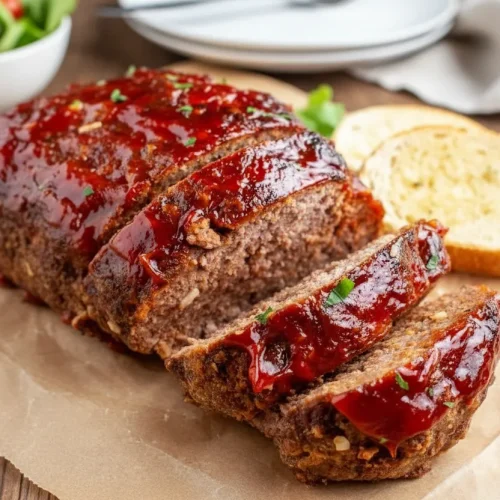
Lipton Onion Soup Mix Meatloaf (Optimized Classic)
Equipment
- Large mixing bowl
- Loaf pan or baking dish
- small saucepan
- Meat Thermometer
Ingredients
The Optimized Ingredient Blueprint
- 2 lbs ground beef (80/20 suggested)
- 1 envelope Lipton Onion Soup Mix
- 2 eggs
- 1 cup bread crumbs
- 3/4 cup water
- 1/3 cup ketchup
- 1/2 teaspoon ground black pepper
Glaze Topping
- 1 cup ketchup
- 1/4 cup brown sugar
- 1/2 tablespoon ground mustard
Instructions
Assembly and Baking
- Preheat the oven to 350 degrees F. Allow the ground beef to sit at room temperature for about 15 minutes before mixing.
- In a large bowl, combine the soup mix, eggs, water, ketchup (from the main ingredients list), and ground black pepper. Mix until just combined.
- Add the ground meat and breadcrumbs to the wet mixture. Mix using a light, manual hand-mixing method only until the liquids are just incorporated—do not overmix.
- Gently pat the meat mixture into a loaf shape. Place it in a loaf pan sprayed with non-stick cooking spray, or a baking dish lined with foil or sprayed with non-stick spray.
- Bake for approximately 1 hour and 15 minutes (start checking at 1 hour). The internal temperature must reach at least 165 degrees F.
Glazing and Finishing
- During the final 10 to 15 minutes of baking, prepare the glaze: Place the glaze ketchup, brown sugar, and ground mustard in a small saucepan. Warm over medium heat, stirring until the sugar dissolves completely.
- Remove the meatloaf from the oven and brush the prepared glaze evenly over the top surface.
- Return the loaf to the oven for the final 10 to 15 minutes, allowing the glaze to set into a tacky, glossy coating without scorching.
- Remove the meatloaf from the oven, let it rest (allowing carryover cooking to complete the internal temperature rise), then slice and serve.