The first time I pulled a tray of sourdough focaccia from my oven, I was met with a pale, dense, and oily slab that resembled a damp sponge more than an artisanal Italian bread. My kitchen was littered with bowls used for complex folding schedules, and my hands were coated in a sticky film that seemed impossible to wash off. That failure was my first lesson in the chemistry of high-hydration doughs, and it forced me to reconsider the entire system of home fermentation. As an engineer, I knew that if a process was too complex to execute reliably, it was a bad design. I spent the next several months deconstructing every variable, from water temperature to the specific protein content of the flour, until I isolated the single point of failure.
The system I developed focuses on precision hydration and a strategic overnight rest rather than an exhausting schedule of manual labor. This approach requires only about 15 minutes of active work and 30 minutes of baking time. The rest of the approximately 15 hours and 30 minutes is handled by biology and temperature control. I found that by understanding how moisture interacts with gluten over a long period, I could eliminate the need for the aggressive kneading and repetitive folding that usually discourage home bakers. This blueprint is designed to be repeatable, whether you are baking in a humid summer kitchen or a dry winter environment.
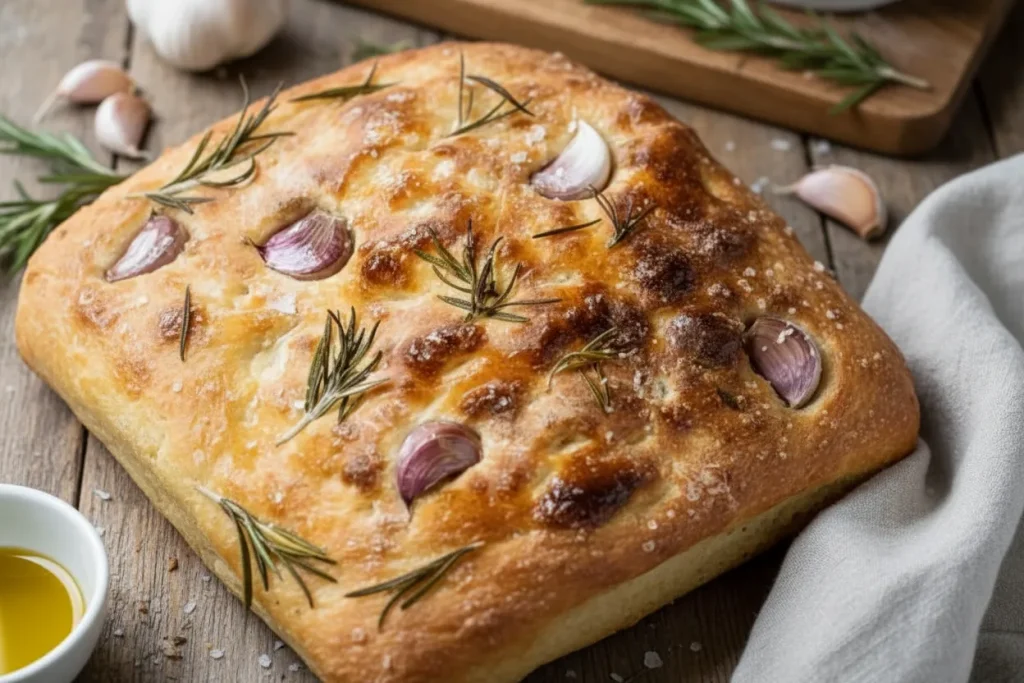
What follows is a meticulously tested system for achieving a deep golden crust that shatters audibly under your knife, revealing an interior filled with irregular, airy pockets and a tender crumb. I have optimized this recipe to remove the guesswork, providing you with a reliable methodology for creating professional-quality bread without a three-day commitment. By the time you reach the end of this guide, you will have the confidence to engineer a perfect loaf every time you preheat your oven.
Table of Content
The Optimized Overnight Sourdough Focaccia: Perfect Texture Through Minimal, Targeted Structure Building
Most bread recipes exist on two ends of a frustrating spectrum. On one side, you have the no-knead methods that are often so wet and unstructured they produce a flat, rubbery result. On the other side, you find professional-grade artisan recipes that demand you stay home all day to perform precise folds every thirty minutes. My goal was to find the smart path that sits exactly in the middle of these extremes. I wanted the structural integrity of a high-end sourdough without the constant maintenance, which led me to the concept of minimal, targeted structure building.
During my testing phase, I compared three batches side by side. One batch received no manipulation after mixing, one followed a strict four-hour folding schedule, and the final batch used my optimized ball-forming technique before a long overnight rise. The results were clear: the overnight fermentation did 90 percent of the work for me. As the dough sits, the water molecules slowly hydrate the flour particles, and the natural gases produced by the sourdough starter gently stretch the gluten network from the inside out. This is a process known as autolysis combined with bulk fermentation, and it is far more efficient than manual handling.
By targeting a single moment of structure building before the long rest, I was able to create enough surface tension to keep the dough from collapsing during the final proof. This is the secret to that characteristic sourdough focaccia height and its signature open crumb. You are not just mixing ingredients; you are setting a biological system in motion and then stepping out of the way to let it work. This method respects the science of bread making while acknowledging that your time is valuable.
Pro tip: Use a clear glass bowl for the overnight rise so you can see the fermentation bubbles forming at the bottom and sides, which is the best indicator of a healthy, active dough.
Precision Hydration: Flour Choice and Water Adjustments (The Critical Flour Decision)
The most common reason for a failed loaf is a misunderstanding of how different flours absorb water. In my laboratory-style kitchen tests, I observed that not all all-purpose flours are created equal. The protein content acts like a sponge; the higher the protein, the more water the flour can hold without turning into a liquid mess. If you use a lower-protein store brand, the 375 grams of water called for in the standard recipe will overwhelm the dough, leading to a collapse during the dimpling stage.
I rigorously tested this recipe using three different flour benchmarks: a premium high-protein all-purpose flour, a standard bread flour, and a lower-protein grocery store brand. My detailed water adjustments are based on the fact that the lower-protein test batch required a significant water reduction to maintain its shape. This is why I provide a range for the water; it allows you to calibrate the dough based on the specific attributes of the flour you have in your pantry.
| Flour Type | Recommended Water Amount | Expected Texture Result |
|---|---|---|
| Bread Flour | 375 grams | Chewy, high rise, strong structure |
| High-Protein All-Purpose (11.7%+) | 375 grams | Tender, silky crumb, moderate rise |
| Standard All-Purpose (Under 11%) | 325 to 350 grams | Very soft, delicate, lower profile |
If you cannot access a high-protein variety, I recommend starting with the lower end of the water range. It is much easier to add a splash more water during the initial mixing than it is to try and fix a dough that has already become a gloppy, unmanageable puddle. This adjustment strategy is the key to consistent results across different brands and regions. You are looking for a dough that feels heavy and wet but still holds together when you move it around the bowl. For other baking challenges involving moisture control, check out my ultimate guide to delicious hummus and pita bread for balancing texture.
Pro tip: Weigh your water and flour in grams rather than using volume cups to ensure the hydration ratio is exactly as intended for your chosen flour type.
Structure Without Stress: The Post-Mix Dough Workout
The most critical moment in this entire process happens about thirty to sixty minutes after you first combine your ingredients. After the initial mix, the dough is shaggy and unattractive. If you try to work with it immediately, it will tear and stick to everything it touches. But after a short rest, the flour has fully hydrated, and the proteins have begun to bond. This is when you perform the only active structure-building step required: working the dough into a ball.
When you return to the bowl, you will notice the dough has transformed from a rough pile into a more cohesive mass. By gently pulling the edges toward the center and forming a tight ball, you are creating surface tension on the outer layer of the dough. This tension acts like a structural skeleton. Without this step, the gases produced by the starter would simply escape, leaving you with a flat, dense disc. By creating this ball, you are essentially building a container that will hold those gases during the long overnight rise.
This action replaces the need for complex folding because the 12-hour rest period allows for a slow, steady strengthening of the gluten. I found that this single, purposeful manipulation was enough to support the weight of the olive oil and toppings we will add later. It is a lesson in efficiency: doing the right thing at the right time is more effective than doing the wrong thing repeatedly. Once the ball is formed and the surface is smooth, the dough is ready for its transformation.
Pro tip: Wet your hands with a little water before handling the dough to prevent sticking without adding excess flour that could throw off the hydration balance.
The Overnight Optimization: Perfect Dough Temperature Control
Timing a sourdough recipe is not about following a clock; it is about monitoring temperature. During my testing, I found that the optimal range for the overnight rise is between 68 and 70 degrees Fahrenheit. At this temperature, the 50 to 75 grams of starter can work through the sugars in the flour at a pace that develops flavor without over-proofing the dough. If your kitchen is warmer, the dough will rise much faster, and you may find it has collapsed by morning. If it is cooler, the dough might still feel dense and heavy when you wake up.
Temperature control is the variable that most home bakers ignore, but it is the one that engineers for success. I always keep a simple thermometer in my kitchen to track the ambient air. If the weather is particularly cold, I use a slightly higher amount of starter to give the dough the boost it needs to finish in that 12-hour window. This flexibility ensures that the system works in December just as well as it does in June.
The honey in this recipe is another deliberate choice based on microbial activity. The honey is not just for a hint of sweetness; it acts as an easily accessible food source that accelerates yeast activity during the long overnight rise. This is precisely why we can successfully skip the extra levain step that many other recipes mandate. The honey provides an immediate energy source for the starter, allowing it to begin producing carbon dioxide immediately while the more complex starches in the flour are slowly broken down. This jump-start is what allows us to achieve a double rise in a single night.
Pro tip: If your kitchen is too cold, place the covered bowl inside an unlit oven with the oven light turned on to create a consistent, slightly warmer micro-climate.
The Complete Sourdough Focaccia Bread Recipe Blueprint
This blueprint is the result of countless batches and careful observation. Every measurement and step has been verified to ensure that the system produces the same high-quality results in your kitchen as it does in mine. Pay close attention to the visual and tactile cues described in each step, as these are your indicators that the dough is progressing correctly.
Ingredients:
- 50-75 g bubbly, active sourdough starter
- 375 g water (see Notes below)
- 20 g honey (optional)
- 500 g bread flour or all purpose flour (see Notes below)
- 9 g fine sea salt
- 2-3 tbsp olive oil, for coating the pan
- Assorted Toppings (optional): rosemary, garlic cloves, flaky seat salt, tomatoes, olives etc.
Thoughts on Flour: You can use bread flour or all purpose flour to make sourdough focaccia. Comparatively speaking, bread flour yields a slightly chewier focaccia with a higher rise. All purpose flour creates a more tender focaccia. The choice is up to you. If you prefer to use all purpose flour, I do recommend a high-protein variety. Coming in at over 11.7% protein, this flour is stronger than most all purpose flours, which means it can handle a higher quantity of water without the dough becoming a gloppy mess. It is actually stronger than most bread flours! If you cannot access this flour, make the following changes to ensure success: decrease the water to 325-350 g (start small and work your way up) OR use a dedicated bread flour with 375 g water instead.
Thoughts on Sourdough Starter (quantity): When the weather is cold, I will use a higher amount of starter to give the dough a boost when doing a long, overnight rise. I have given you a range so you can decide what suits you best.
For Baking: You will need a rimmed sheet pan or non-stick rectangular pan (9×13-inch or 10×14-inch)
Instructions:
- In the evening: whisk the sourdough starter, water and honey together in a large bowl (I use a fork for mixing). Add the flour and salt. Mix to combine and then finish by hand to form a rough dough. It will be wet and sticky. Cover and let rest for 30 minutes to an hour. Timing is flexible here. Then return to the bowl and work the dough into a ball.
- Cover the bowl of dough with lightly oiled plastic wrap (or transfer the dough to a lightly oiled dough container). Let the dough rise overnight at room temperature, approximately 68-70 F (20-21 C) for about 12+ hours. The dough will double in size (or more) when ready. Note: if the weather is warmer than 68- 70 F (20-21 C) the dough will rise faster than 12+ hrs. Please adjust your timeframes accordingly.
- In the morning, pour 2 tbsp. of olive oil onto a rimmed sheet pan (or 1 tbsp. olive oil if using a non-stick rectangular pan). Use your hands to evenly coat the bottom and sides. With your oiled hands, remove the dough onto the pan, and then flip it to coat both sides. Cover and let rest for 1 1/2- 2 hours or until very puffy (I use an inverted sheet pan to cover the dough). Preheat your oven to 425 F (220 C). Note: I like to rest my dough in a warm spot, usually on top of the oven while it preheats. The dough becomes soft and bubbly.
- Right before baking, gently dimple the dough with oiled fingertips. I start at the bottom of the pan and work my way to the top. As you dimple, the dough will naturally begin to stretch outwards. You should end up with a rustic rectangular or oval shape, about 14 x 9-inches (36 x 23 cm) or larger. The dough won’t go all the way to the corners and sides of the sheet pan- this is OK. Note: If using a rectangular pan, the dough will naturally fill the shape of the pan.
- Press your preferred toppings into the dough. As the focaccia rises, the dough will puff up. The toppings will pop out if not properly anchored. If using garlic, I keep the cloves wrapped in their papery peels to prevent burning. Remove and discard the peels before eating.
- Place the dough onto the center rack. Bake for 25-30 minutes or until crisp and golden brown. Remove from the oven and cool on a wire rack before cutting. TIP: To par-bake focaccia dough: Bake for approximately 15-18 minutes @ 425 F (220 C). The crust will be set, very pale in color and golden underneath. Remove the focaccia from the pan and cool on a wire rack. Once completely cool, wrap in plastic wrap and store at room temperature for up to 6 hrs. To finish, return to the pan and bake for 12-15 minutes.
- To serve, cut the focaccia into wedges or squares and enjoy warm!
While some suggest avoiding extra virgin olive oil for high-heat baking, our recipe uses it successfully because we are coating the pan and baking at 425 degrees. This ensures the oil reaches its smoke point during the bake, contributing a robust, peppery flavor without burning during the long, cool initial resting phase. The oil essentially fries the bottom of the dough, creating a texture that is shatteringly crisp.
Pro tip: When dimpling the dough, push your fingers all the way down until they touch the bottom of the pan to create deep wells that will hold pools of olive oil and aromatics.
Essential Variations and Practical Details
This recipe is designed to yield between 12 and 16 generous squares depending on how you choose to slice it. I find that a 9×13-inch pan provides the ideal balance of thickness and surface area, allowing for a tall, airy center and plenty of crispy edges. If you use a larger sheet pan, the loaf will be thinner and more like a flatbread, which is excellent for sandwiches but has less of that pillowy interior texture.
If you find yourself needing to pivot to a same-day schedule, you can adjust the system variables to speed up the process. I have successfully baked this in about 6 to 8 hours by increasing the starter amount to 75 grams and using slightly warmer water (around 85 degrees Fahrenheit). You will also need to find a warmer proofing spot, such as near a sunny window, to encourage the yeast to work faster. While the flavor is slightly less complex than the overnight version, the texture remains excellent. For those interested in maximizing texture in other baked goods, explore the expert air pockets in my Ultimate Focaccia Bread Recipes.
Storage is another area where I have applied my testing methodology. Once the bread has cooled completely on a wire rack, it can be kept in an airtight container at room temperature for up to two days. To revive the crispness, a quick five-minute toast in a 350-degree oven is much more effective than using a microwave, which will only make the bread rubbery. For longer storage, this bread freezes beautifully; simply wrap individual squares in foil and freeze for up to a month.
Topping Combinations:
- Classic Rosemary and Sea Salt: The essential combination that highlights the fermentation flavor of the dough.
- Tomato and Olive Tapenade: A savory, salty variation that adds moisture and a bright acidity.
- Caramelized Onion and Hard Cheese: A rich, sweet, and savory option that creates a deeply browned, flavorful crust.
Pro tip: If using fresh herbs like rosemary, toss them in a little olive oil before placing them on the dough to prevent them from drying out and turning bitter in the high heat of the oven.
Troubleshooting and Mastering Your Sourdough Focaccia
Can I make this recipe using sourdough discard?
This specific system is optimized for an active, bubbly starter that has been fed within the last 4 to 8 hours. While you can technically use discard, the rise will be much slower and the resulting bread will be significantly denser and more acidic. If you want the characteristic height and airy crumb shown in my results, I strongly recommend using a starter at its peak of activity. If you only have discard, you may need to add a tiny pinch of commercial yeast to ensure the dough has enough lifting power to double overnight.
What are common mistakes to avoid when making sourdough focaccia?
The most frequent error I see is improper dimpling. Many bakers are too timid and only press the surface of the dough. You must be firm; use your fingertips to press all the way down until you feel the metal of the pan. This creates the structural valleys that prevent the dough from rising into a giant, smooth dome like a loaf of sandwich bread. Another mistake is ignoring the dough temperature. If your kitchen is over 75 degrees, you must shorten the overnight rise or move the dough to a cooler spot, otherwise, the gluten will over-ferment and the dough will become a sticky soup that cannot hold its shape.
How should I store and reheat leftover focaccia?
As mentioned earlier, room temperature storage in an airtight container is best for the first 48 hours. If the bread loses its crunch, do not despair. The high oil content in the dough means it responds incredibly well to heat. I have found that placing a square in a dry skillet over medium heat for two minutes on each side is the absolute best way to reheat it. This method re-fries the crust to its original shatteringly crisp state while keeping the middle soft and steaming.
Conclusion: Your Blueprint for Perfect Sourdough Focaccia
Engineering the perfect loaf of bread is not about luck; it is about controlling the variables that matter while letting go of the ones that do not. By focusing on precision hydration, choosing the right flour for your water ratio, and respecting the temperature of your kitchen, you have turned a complex biological process into a predictable system. The power of minimal structure building and the strategic use of honey and overnight timing allow you to produce bakery-quality results with a fraction of the traditional effort.
I have shown you that you do not need to be a professional baker with expensive equipment to achieve a deep golden crust and a light, airy crumb. This recipe is your blueprint for success, a reliable method that you can return to time and again. The satisfaction of hearing that first crackle as you cut into the warm bread is a reward for your methodical approach and attention to detail.
I encourage you to take this system into your own kitchen and see the results for yourself. I would love to hear about your experience in the comments below, especially which flour you chose and how the water adjustments worked in your environment. Please share your perfectly textured results on social media and tag me so I can see what you have engineered. Happy baking, and I look forward to hearing about your sourdough success.
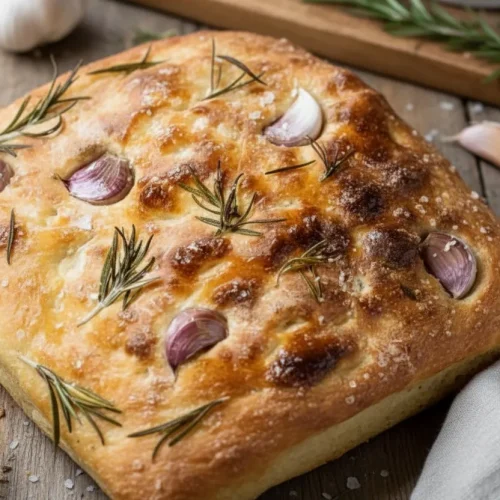
The Optimized Overnight Sourdough Focaccia
Equipment
- Large mixing bowl
- Fork
- Oiled plastic wrap or dough container
- Rimmed sheet pan or non-stick rectangular pan (9×13-inch or 10×14-inch)
- Kitchen thermometer
- wire rack
Ingredients
Main Dough Ingredients
- 50-75 g bubbly, active sourdough starter
- 375 g water Adjust based on flour type; see notes.
- 20 g honey Optional
- 500 g bread flour or all purpose flour Use 325-350g water if using standard AP flour.
- 9 g fine sea salt
Baking & Topping Ingredients
- 2-3 tbsp olive oil For coating the pan
- Assorted Toppings (rosemary, garlic cloves, flaky sea salt, tomatoes, olives etc.) Optional
Instructions
Evening Mix and Rest
- In the evening: whisk the sourdough starter, water and honey together in a large bowl (use a fork for mixing).
- Add the flour and salt. Mix to combine and then finish by hand to form a rough dough. It will be wet and sticky.
- Cover and let rest for 30 minutes to an hour. Timing is flexible here.
- Return to the bowl and gently pull the edges toward the center to work the dough into a tight ball, creating surface tension.
Overnight Bulk Fermentation
- Cover the bowl of dough with lightly oiled plastic wrap (or transfer the dough to a lightly oiled dough container).
- Let the dough rise overnight at room temperature, approximately 68-70 F (20-21 C) for about 12+ hours. The dough will double in size or more when ready.
Morning Proof and Preheat
- In the morning, pour 2 tbsp. of olive oil onto a rimmed sheet pan (or 1 tbsp. olive oil if using a non-stick rectangular pan).
- Use your hands to evenly coat the bottom and sides of the pan with oil.
- With oiled hands, remove the dough onto the pan, and then flip it to coat both sides with oil.
- Cover and let rest for 1 1/2- 2 hours or until very puffy (use an inverted sheet pan to cover the dough).
- Preheat your oven to 425 F (220 C). Allow the dough to rest in a warm spot, like on top of the preheating oven, until soft and bubbly.
Dimpling and Baking
- Right before baking, gently dimple the dough with oiled fingertips, pressing all the way down until your fingers touch the bottom of the pan.
- Press your preferred toppings into the dough, tossing fresh herbs in a little olive oil first if using.
- Place the dough onto the center rack. Bake for 25-30 minutes or until crisp and golden brown.
- Remove from the oven and cool on a wire rack before cutting into wedges or squares and serving warm.