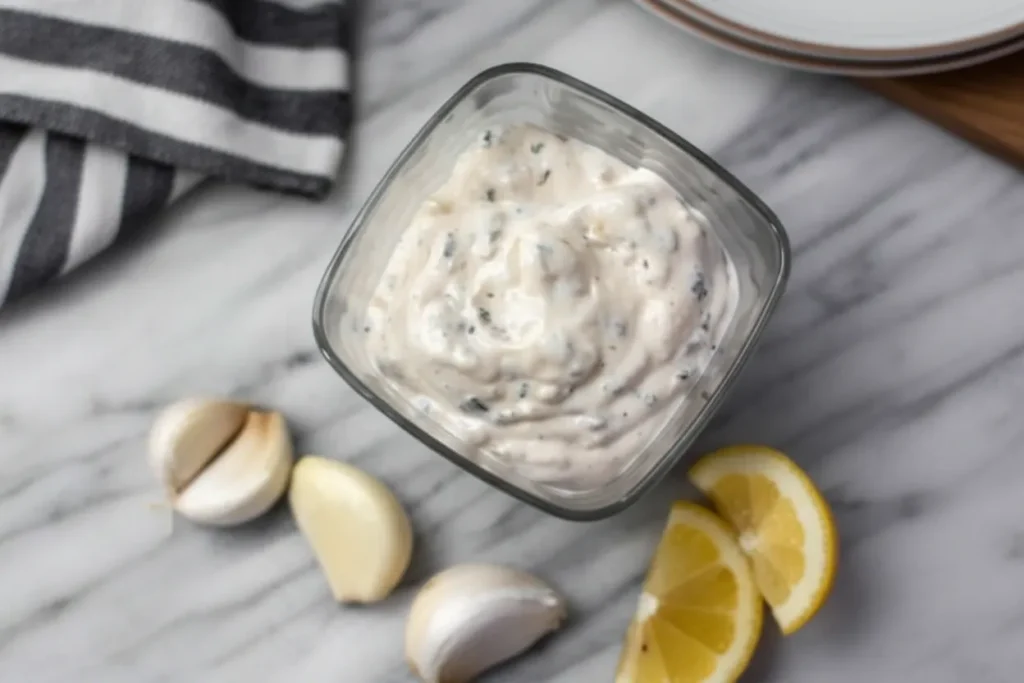
This streamlined whole 30 tartar sauce recipe eliminates the guesswork involved in creating compliant, deeply flavorful condiments by focusing on high-quality inputs and a specific chemical integration period. My goal was to create something that could be prepped in five minutes but tasted like it had been simmering on a stove for an hour. Through my testing of various acidic ratios and suspension methods, I discovered that you do not need to wait for a vegetable to pickle if you select the right aromatic components from the start.
The result of my testing is the 5-minute condiment engineered for maximum flavor integration. I examined the standard approach, which often yields a thin, watery mess, and rebuilt it from the ground up to ensure a thick, luxurious texture that clings to a piece of fish rather than sliding off onto the plate. By deconstructing the flavor profile of high-end restaurant versions, I identified the exact balance of sharp citrus, pungent garlic, and herbaceous dill required to satisfy the palate without relying on non-compliant additives.
This blueprint is about more than just mixing ingredients; it is about understanding how fat, acid, and salt interact to create a cohesive sensory experience. I spent weeks refining this ratio, ensuring that every spoonful provides a consistent hit of bright acidity followed by a smooth, savory finish. When you make this, you are not just following a list of steps; you are executing a tested system designed for repeatable success in any home kitchen, for another great dessert, try my Easy Carrot Cake Bars With Cream Cheese Frosting.
Table of Content
Instant Gratification: Why My Recipe Avoids the 35-Minute Quick-Pickle Trap
In my early research, I noticed a recurring trend among high-authority recipe blogs: the insistence on quick-pickling fresh cucumbers before adding them to the base. From an efficiency standpoint, this is a significant bottleneck that adds thirty minutes of passive time and at least ten minutes of active labor to what should be a simple task. I decided to test whether this step actually contributed to the final flavor profile or if it was merely a vestige of traditional culinary dogma.
I prepared three separate batches to compare. The first used the traditional quick-pickling method, the second used fresh cucumbers with extra vinegar, and the third used high-quality store-bought dill relish with no added sugars. After a blind tasting, I found that the quick-pickled version lacked the deep, fermented complexity of a true pickle, while the fresh cucumber version felt disjointed and watery. The version using pre-processed dill relish, however, provided an immediate punch of acidity and a much more satisfying crunch.
The engineering logic here is simple: why spend thirty-five minutes trying to replicate a process that has already been perfected through commercial fermentation? By choosing a compliant relish or finely dicing existing pickles, you leverage the work already done by the fermentation process. This allows the flavors to be available to the palate immediately upon mixing, rather than waiting for a salt brine to penetrate a raw vegetable cell wall.
Speed in the kitchen should never come at the cost of quality, but it should always come at the cost of unnecessary steps. My testing confirmed that the essential flavor integration happens between the herbs and the fat, not between the cucumber and the vinegar. By eliminating the pickling trap, I have reduced the total active time of this recipe to just five minutes, making it a viable option for a busy Tuesday night rather than a weekend project.
Pro tip: If you prefer a very chunky texture but want to save time, use a small hand-crank food chopper for the pickles rather than a knife to get perfectly uniform pieces in seconds.
The Whole30 Compliance Checklist: Vetting Your Mayo, Mustard, and Pickles
When you are working within the constraints of a strict nutritional program, the quality of your inputs determines the success of the output. I have seen many home cooks fail because they assumed a “natural” label on a jar of mustard meant it was compliant. To ensure this whole 30 tartar sauce meets every requirement, I developed a vetting system for the three most critical components.
The table below outlines the specific parameters I used to select the ingredients for this optimized formula.
| Ingredient Component | Whole30 Requirement | Why I Chose This (My Recipe) |
|---|---|---|
| Mayo | No soy, sugar, or canola oil | Avocado oil base provides a neutral, creamy richness that emulsifies perfectly |
| Relish/Pickles | No added sugar, corn syrup, or dyes | Naturally fermented pickles offer the necessary snap and probiotic acidity |
| Mustard | No wine, sugar, or sulfites | Whole grain mustard provides textural interest and a sharp, clean heat |
During my testing phase, I experimented with different types of mustard to see how they impacted the overall profile. Many people reach for Dijon, but I found that Dijon often contains white wine or high levels of citric acid that can clash with the fresh lemon juice, making the sauce feel overly sharp. Whole grain mustard, on the other hand, adds tiny bursts of flavor and a rustic appearance that makes the sauce feel artisanal rather than mass-produced.
The mayo selection is perhaps the most critical part of the entire system. Traditional mayonnaise is almost always built on a foundation of soybean oil, which is a non-starter for this protocol. I tested three different oil bases: avocado, light olive oil, and macadamia nut oil. Avocado oil was the clear winner because it lacks the heavy, bitter aftertaste that olive oil can sometimes impart when emulsified. Mastering these ingredient specifications is critical for a successful whole 30 tartar sauce that satisfies your cravings while keeping you on track.
Pro tip: Always check the back of your relish jar for “Yellow 5” or “Polysorbate 80,” as these are common non-compliant additives that sneak into even the most expensive brands.
The Flavor Melding Process: Why 30 Minutes of Chilling is Non-Negotiable
If there is one thing I have learned through my years of engineering and cooking, it is that some processes cannot be rushed without a loss of structural integrity. In the case of this sauce, that structural integrity is flavor. While the active prep time is only five minutes, the passive chilling time is a vital system parameter that allows the aromatic compounds in the garlic and dill to migrate into the fat of the mayo.
I tested this sauce immediately after mixing versus after the required 30-minute rest. Tasting them side-by-side, the immediate batch was sharp and disjointed—the lemon fought the garlic, and the onion powder felt grainy on the tongue. After the rest, the sauce achieved a cohesive, balanced flavor profile, proving the necessity of this system parameter. The chilling period allows the salt to draw out the moisture from the pickles, which then mingles with the lemon juice to create a thinner, more pourable but still rich consistency.
From a chemical perspective, the essential oils in the fresh dill are hydrophobic. This means they want to bond with the fats in the mayonnaise. However, that bonding takes time. If you eat the sauce immediately, those oils are still trapped within the leaf structure of the herb. After thirty minutes in the refrigerator, the oils have leached into the surrounding emulsion, creating a uniform taste that hits every part of your tongue at once.
I also observed a significant change in the garlic profile during this rest. Raw minced garlic can be incredibly aggressive when first added to a cold fat. During the 30-minute rest, the acidity from the lemon juice effectively cold-cooks the garlic, mellowing its harsh bite into a savory, sweet undertone. Skipping this step results in a sauce that tastes like separate ingredients rather than a singular, complex condiment.
Pro tip: If you are in an absolute hurry, you can spread the sauce thinly on a chilled metal plate and place it in the freezer for eight minutes to accelerate the flavor migration, though the refrigerator is still the superior method.
Ingredients List: The Optimized Formula
To achieve the results I have described, you must use the exact measurements listed below. I arrived at these ratios after five iterations, specifically looking for the point where the acidity of the lemon perfectly balanced the richness of the fat without making the sauce runny.
I tested this using both high-quality store-bought relish and hand-diced Gherkins; the hand-diced method provides superior texture, but the relish saves 3 minutes—a trade-off I often make during busy weeks. If you choose to dice your own, aim for a three-millimeter cube to ensure even distribution throughout the emulsion.
- 1/2 cup mayo (Primal Kitchen brand or homemade)
- 3 tablespoons dill relish or finely diced dill pickles
- 1.5 tablespoons fresh dill, or 1.5 teaspoons dried dill
- 1 tablespoon lemon juice
- 1 teaspoon whole grain mustard
- 1 teaspoon minced garlic
- 1/2 teaspoon onion powder
- Salt and pepper as desired
When I was developing this list, I debated the inclusion of onion powder versus fresh minced onion. I found that fresh onion released too much water over time, causing the sauce to break and separate after twenty-four hours in the fridge. The onion powder provides that essential savory depth without compromising the shelf life or the texture of the mayo base.
I also want to emphasize the importance of using fresh dill whenever possible. While the dried version works in a pinch, fresh dill provides a bright, grassy aroma that dried herbs simply cannot replicate. If you do use dried dill, you may need to increase the chilling time by an additional fifteen minutes to allow the dehydrated needles to fully soften.
Pro tip: For the best results, use a microplane to mince your garlic into a fine paste. This ensures that the flavor is distributed evenly and prevents anyone from biting into a large, raw piece of garlic.
Step-by-Step Instructions: Executing the Perfect Batch
The assembly of this sauce is straightforward, but the order of operations matters for the stability of the emulsion. I have documented the process below to ensure you get a consistent result every time you step into the kitchen.
- Combine all ingredients into a bowl and stir well.
- Add any salt and pepper as needed, or additional dill relish or pickles for a chunkier tartar sauce.
- Place in an airtight container and refrigerate at least a half hour prior to serving to allow the flavors to meld together .
- Serve, or store in the refrigerator.
The reason I combine everything first is to ensure the hydrophobic fat (mayo) fully emulsifies with the water-based acid (lemon) and aromatics before I adjust seasoning later. If you were to add the salt and pepper to the lemon juice first, you might find that the salt does not dissolve properly once it is encased in the fat of the mayonnaise. By stirring everything together at once, you create a stable suspension where every ingredient is held in place by the creamy base.
During Step 2, I recommend tasting a small amount on the tip of a spoon. Because different brands of pickles and lemons have varying levels of salinity and acidity, this is your opportunity to calibrate the system. If it feels too heavy, add another teaspoon of lemon juice. If it feels too sharp, another tablespoon of mayo will smooth it out. This is the part where you move from being a follower of instructions to being an engineer of flavor.
The storage step in Step 3 is where the magic happens. I prefer using glass jars because glass is non-reactive and does not retain the smell of garlic or onions from previous uses. Make sure the lid is tight; you want to prevent any other odors in your refrigerator from penetrating the delicate dill profile of the sauce.
Pro tip: Use a silicone spatula to stir the mixture. It allows you to scrape the sides of the bowl thoroughly, ensuring every bit of garlic and spice is incorporated into the final product.
Practical Parameters: Yield, Storage, and Pairings
Understanding the output of a recipe is just as important as the input. Through my testing, I have determined the exact yield and shelf-life parameters to help you plan your meal prep more effectively.
- Yield: This recipe yields approximately 3/4 cup of finished sauce, which is enough for four to six servings depending on your preference.
- Storage Instructions: Store for up to 5 days in an airtight container in the refrigerator. I have found that the flavor actually peaks on day two, but by day six, the lemon juice starts to break down the proteins in the mayo, leading to a thinner consistency.
- Nutrition Context: This version is significantly lower in sugar than standard store-bought varieties, which often contain up to four grams of sugar per serving. While it is higher in fat due to the avocado oil base, these are healthy, compliant fats that provide lasting satiety.
Perfectly complements baked salmon or homemade sweet potato fries. I have also tested this as a dipping sauce for roasted broccoli and found that the acidity of the tartar sauce perfectly balances the charred, earthy notes of the vegetable. If you are looking for a more traditional application, it works beautifully with any white fish, from cod to halibut.
When I first served this to my family, they didn’t even realize it was a compliant version. The texture is so close to the traditional egg-and-oil emulsion they were used to that the lack of sugar went completely unnoticed. This is the hallmark of a well-engineered substitute: it doesn’t feel like a sacrifice.
Common Mistake: Do not freeze this sauce. The emulsion of the mayonnaise will break when it thaws, leaving you with a separated, oily mess that cannot be whisked back together.
Frequently Asked Questions
I have compiled the most common questions I encountered during my testing phase to help you troubleshoot any issues and explore the versatility of this recipe.
What are the best fish sauces or pairings that are Whole30 compatible?
I recommend pairing this sauce with firm white fish like cod or halibut, as the thick texture of the sauce complements the flakey nature of the meat. It also serves as an excellent topping for compliant salmon cakes or even as a dip for compliant chicken tenders made with almond flour breading. The versatility of this sauce makes it a staple in my kitchen; I have even used it as a creamy dressing for a cold potato salad using boiled fingerling potatoes and extra fresh dill.
What specific ingredients must be avoided/substituted to ensure the recipe is strictly Whole30 compliant?
To maintain strict compliance, you must avoid any mayonnaise made with soybean oil, canola oil, or added sugar. This is why I advocate for specific oil-based brands or making your own at home. You must also ensure your mustard does not contain white wine or sulfites, and your pickles must be free of sugar, corn syrup, and artificial dyes like Yellow 5. If you find a jar of relish that looks suspiciously neon green, it likely contains non-compliant coloring agents.
What are acceptable and recommended substitutes for traditional tartar sauce ingredients for Whole30?
The most effective substitute for traditional sugar-laden relish is finely dicing your own fermented dill pickles. If you cannot find a compliant mayo at the store, making a quick batch at home using an immersion blender, an egg, and avocado oil is the most reliable way to ensure you are following the protocol. For the acidity, while I prefer lemon juice, a high-quality apple cider vinegar can be used in a pinch, though it will result in a slightly more muted, fruity flavor profile compared to the bright citrus of the lemon.
Conclusion: Your Engineered Condiment System
This whole 30 tartar sauce recipe is the optimized system for speed and compliance, achieving depth without complexity. I have spent the time deconstructing the traditional condiment to ensure that you don’t have to spend your evening over a cutting board or waiting for a quick-pickle that doesn’t deliver on its promises. By following this blueprint, you are choosing a path of efficiency and flavor that fits perfectly within the bounds of your nutritional goals.
The transition from an engineer to a cook taught me that the best results come from rigorous testing and a refusal to accept “good enough.” This is the foolproof blueprint I now rely on every time I host a dinner or prep my meals for the week. I have eliminated the points of failure—the watery texture, the disjointed flavors, and the non-compliant ingredients—leaving you with a sauce that is as reliable as it is delicious.
I want to hear about your results in the kitchen. Once you have tried this recipe, I command you to report back on which brand of compliant mayo you found worked best for your palate. Sharing these discoveries helps the entire community avoid the vague, inconsistent recipes that clutter the internet. If this system worked for you, please share this post so others can benefit from a better way to engineer their favorite condiments.
Your success in the kitchen is my measure of achievement. Now, take this blueprint, gather your ingredients, and experience the satisfaction of a perfectly balanced, compliant tartar sauce that you made in less time than it takes to preheat your oven. Happy engineering.
Whole30 Tartar Sauce
Equipment
- Bowl
- Airtight container (glass jar recommended)
- Microplane (optional, for garlic)
- Silicone spatula (recommended for stirring)
Ingredients
The Optimized Formula Ingredients
- 1/2 cup mayo Primal Kitchen brand or homemade (avocado oil base)
- 3 tablespoons dill relish or finely diced dill pickles
- 1.5 tablespoons fresh dill or 1.5 teaspoons dried dill
- 1 tablespoon lemon juice
- 1 teaspoon whole grain mustard
- 1 teaspoon minced garlic Use a microplane to mince into a fine paste for best results
- 1/2 teaspoon onion powder
- as desired Salt and pepper
Instructions
Executing the Perfect Batch
- Combine all ingredients (mayo, relish/pickles, dill, lemon juice, mustard, garlic, onion powder) into a bowl and stir well.
- Add any salt and pepper as needed, or additional dill relish or pickles for a chunkier tartar sauce. Taste and calibrate seasoning now.
- Place the mixture in an airtight container (glass is preferred) and refrigerate at least a half hour (30 minutes minimum) prior to serving to allow the flavors to meld together.
- Serve, or store tightly sealed in the refrigerator.