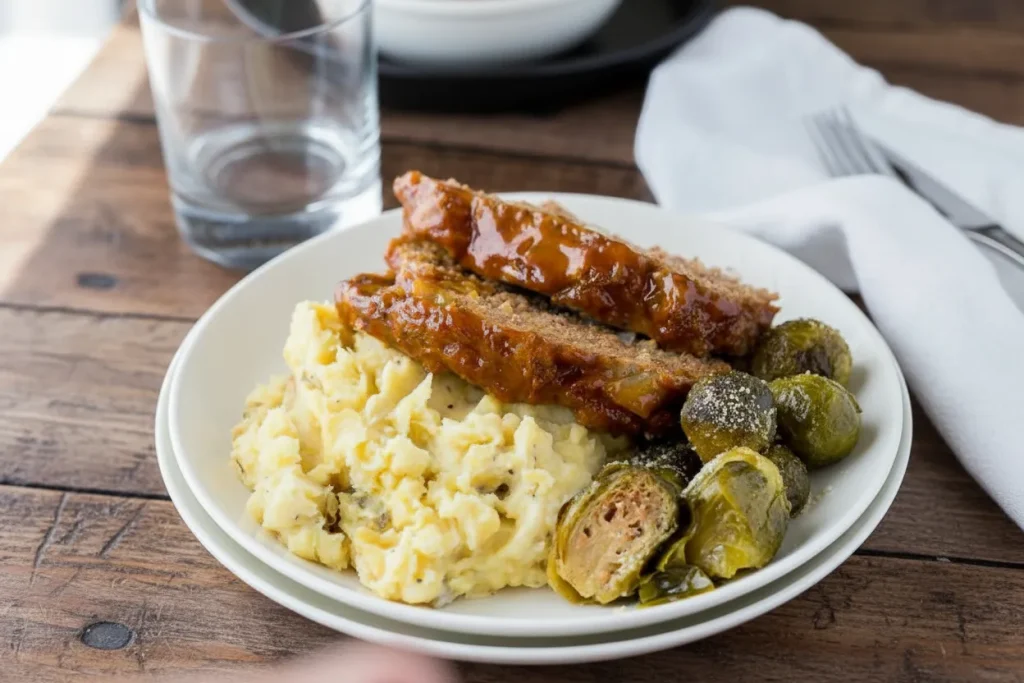
The first time I pulled a meatloaf out of my pressure cooker, I thought I had engineered a disaster. The exterior was a grey, unappealing shade, and the texture was more like a dense sponge than a succulent dinner. When I sliced into it, the meat crumbled away from the knife, revealing a dry interior that even a gallon of gravy couldn’t have saved. It was a failure of physics and timing, a system crash in the middle of my kitchen. As an engineer, I couldn’t let that stand. I spent the following weeks deconstructing the mechanics of steam pressure and moisture retention until I validated the final algorithm for this instant pot meatloaf and mashed potatoes.
The secret to preventing that dry, crumbly mess isn’t just about the fat content of the beef; it is about the transition from high pressure to atmospheric pressure. Most recipes suggest a natural release, thinking it is gentler. My testing proved the opposite. A long, natural release keeps the meat in a high-heat environment for too long, allowing residual heat to squeeze the moisture out of the protein fibers like a wrung-out sponge. By implementing an immediate quick release once the internal temperature hits exactly 155 degrees F, I found a way to lock the juices in place.
This blueprint optimizes every second of the 45-minute total time, with only 10 minutes of active preparation. We are not just cooking two separate components; we are creating a symbiotic environment where the potatoes and the meat assist one another. The potatoes act as a heat sink, while the steam from the chicken broth below permeates the meatloaf from the bottom up. This is a high-efficiency system designed for repeatable, professional-grade results.
Table of Content
Deconstructing the Cook: Why We Use Chicken Broth and BBQ Sauce for Superior Flavor Infusion
When I began analyzing traditional pressure cooker recipes, I noticed a recurring flaw: many rely on plain water for the steam base. In a pressurized environment, the liquid at the bottom of the pot is not just a heat conductor; it is an aromatic delivery system. By using a full cup of chicken broth instead of water, I ensure that every molecule of steam rising into the potatoes carries savory notes. This creates a foundational flavor profile that plain water simply cannot replicate. The potatoes absorb this seasoned liquid as they soften, resulting in a side dish that tastes deeply seasoned before you even add the butter or sour cream.
The meatloaf itself requires a different strategy. Steam cooking is excellent for moisture but poor for surface flavor development. This is why the choice of a honey BBQ sauce base is critical. The sugars in the BBQ sauce, combined with brown sugar and ketchup, provide the necessary viscosity to cling to the meat. More importantly, these sugars are reactive. While the pressure cooker handles the internal cook, a brief 4-minute exposure to the intense infrared heat of a broiler transforms that dull surface into a bubbly, caramelized glaze.
Pro tip: Use a honey-based BBQ sauce because the honey provides a better sheen and more consistent caramelization under the broiler compared to molasses-heavy versions.
I compared this broth-infusion method against a standard savory profile using only beef stock and Worcestershire sauce. The chicken broth provided a cleaner, more versatile base that allowed the garlic and parsley in the meat to shine without being overshadowed by the heavy mineral taste of beef stock. The BBQ sauce adds a necessary acidic counterpoint to the richness of the beef and the creaminess of the potatoes, balancing the entire plate. For a different take on seasoned beef, try my recipe for the Easy Beef Ragu: The Ultimate Flavor Secret.
The Optimized Blueprint for Simultaneous Cooking: Stacking for Success
The physical layout of the pressure cooker is the most important part of the engineering process. To achieve a successful outcome, you must treat the pot like a tiered assembly line. The potatoes must occupy the lowest level. By quartering three pounds of yellow potatoes and laying them in an even layer at the bottom, they are submerged in the chicken broth. This ensures they cook through the direct conduction of the boiling liquid and the convection of the steam.
Above the potatoes, the rack serves as a structural separator. This prevents the meatloaf from sitting directly in the potato liquid, which would result in a boiled, greasy texture. The meatloaf needs to be steamed, not boiled. I use a piece of aluminum foil to create what I call a foil pocket. This is a critical step. The foil is shaped up and around the edges of the loaf, creating a shallow vessel that sits on the rack.
This foil pocket serves two functions. First, it prevents the meat juices from draining entirely into the potatoes, which keeps the potato starch clean and white. Second, it allows the meatloaf to cook in its own rendering fat slightly, which enhances the mouthfeel and prevents the edges from becoming waterlogged by the steam. It is a vessel within a vessel, isolating the protein while allowing it to benefit from the surrounding thermal energy.
The precision of the stack is what allows us to hit the 20 to 25-minute manual cook time perfectly. If the potatoes are too large, they won’t be soft enough to mash by the time the meat reaches 155 degrees F. If they are too small, they will turn into a flavorless slurry. Quartering medium-sized yellow potatoes provides the ideal surface-area-to-volume ratio for this specific timing window.
Ingredients: The Tested Components for Ultimate Efficiency
The following components have been selected through multiple rounds of testing to ensure they interact correctly under pressure.
Meatloaf Components:
- 2 lb. ground beef (I used a lean ground beef)
- 1 cup breadcrumbs
- 2 eggs
- 1/2 cup onion (diced)
- 2 tsp garlic powder
- 2 tsp dried parsley
- 1 tsp salt and pepper
Glaze Components:
- 1/2 cup honey bbq sauce
- 2 tbsp brown sugar
- 2 tsp mustard
- 1/3 cup ketchup
Potato and Mash Components:
- 3 lbs. yellow potatoes (washed and quartered)
- 1 cup chicken broth
- 1 cup half and half
- 4 tbsp butter
- 3/4 cup sour cream
- 1 tsp garlic powder
- salt and pepper
I tested the direct-mash method, where I keep the remaining chicken broth in the pot, against the drain-and-mash method used by many other sources. The results were conclusive. Drained potatoes lost a significant amount of the chicken broth’s flavor and required nearly 30 percent more half and half to achieve a smooth consistency. By mashing the potatoes directly into the residual cooking liquid, you retain every ounce of flavor and achieve a velvety texture that is physically impossible to reach with a dry mash.
Pro tip: Dice your onions as finely as possible. In a pressure cooker, large chunks of onion don’t have enough time to fully soften and release their sugars, which can lead to structural instability in the meatloaf.
The Critical Release: Pressure Adjustment for Tender Meatloaf (20 Minutes + Immediate QR)
The most dangerous part of cooking meat in a pressure cooker is the cooling phase. To understand why we use an immediate quick release, we have to look at how heat moves through dense ground beef. When the timer goes off, the internal temperature of the meatloaf will continue to rise even after the heating element shuts down. This is carryover cooking, and in a sealed, pressurized pot, it is aggressive.
| Release Method | Impact on Meat Texture | Impact on Potatoes | Recommendation |
|---|---|---|---|
| Natural Pressure Release (NPR) | Dry, crumbly, overcooked fibers | Overly soft, potentially watery | Not Recommended |
| Partial NPR (10 mins) | Slightly dry edges, dense center | Good texture | Acceptable but inconsistent |
| Immediate Quick Release (QR) | Maximum moisture retention, tender | Perfectly steamed, ready to mash | Required for this recipe |
The physics of the quick release are fascinating. By rapidly dropping the pressure, you stop the cooking process almost instantly. The moisture that has been pushed toward the center of the meatloaf by the external pressure begins to redistribute. If you leave it in for a natural release, that moisture is eventually pushed out of the loaf entirely as the proteins contract further under prolonged heat.
I found that a 20 to 25-minute manual cycle followed by a quick release consistently brings a two-pound loaf to 155 degrees F. This is the sweet spot. While 160 degrees F is the standard for ground beef, the three to four minutes spent under the broiler for the glaze will provide the final five degrees of heat needed for safety while ensuring the meat never becomes tough.
Pro tip: When performing the quick release, place a kitchen towel lightly over the steam valve to catch any rogue droplets of broth, but do not press down on the valve, as this can interfere with the sensor.
Instructions: The Step-by-Step Engineering Process
- Start by laying the quartered potatoes in the bottom of your pressure cooker in an even layer. Pour the chicken broth over the top. Lay the rack that comes with your pressure cooker over the top so it lays flat. This setup ensures the potatoes are properly seasoned by the broth during the high-pressure cycle.
- Combine the ingredients for the meatloaf (minus the topping) in a large bowl until fully combined. I find that using my hands is the most efficient way to ensure the breadcrumbs and eggs are evenly distributed without overworking the meat. Shape the meat mixture into a loaf and place on a piece of tinfoil. Shape the tinfoil up and around the edges of the meatloaf, creating a pocket for it. Place the meatloaf on top of the rack in the pressure cooker and secure the lid.
- Ensure that the steam release is closed and turn the pressure cooker to Manual mode for 20 to 25 minutes. If your loaf is particularly thick, lean toward 25 minutes. Once finished cooking, use the quick release method to let the steam escape immediately. Check the meatloaf for an internal temperature of 155 degrees F using a digital thermometer.
- Carefully lift the meatloaf out of the pressure cooker using the edges of the tinfoil and place it on a baking sheet. Mix the ingredients for the topping in a small bowl and brush it generously all over the top and sides of the meatloaf. Place the meatloaf under the broiler for just 3 to 4 minutes. You are looking for the glaze to become bubbly and caramelized, which provides the Maillard reaction flavor that steam cooking cannot produce.
- Meanwhile, leave the potatoes and any remaining broth in the pressure cooker. Add the half and half, butter, sour cream, garlic powder, salt, and pepper to the pot. Use a potato masher to work everything together until the mixture is smooth and creamy. The residual heat of the pot will melt the butter and warm the cream instantly.
- Serve the meatloaf in thick slices alongside a generous portion of the mashed potatoes. The glaze should be tacky and sweet, providing a perfect contrast to the savory, garlic-infused potatoes.
Pro tip: Let the meatloaf rest on the baking sheet for five minutes after broiling before you slice it. This allows the internal juices to settle so they don’t run out the moment you cut in.
The Cleanup Hack: Mashing Potatoes Directly in the Pot Liquid
One of the greatest inefficiencies in home cooking is the use of too many dishes. My system eliminates the need for a separate colander or mixing bowl for the potatoes. By mashing directly in the instant pot, you are utilizing the residual heat of the stainless steel liner to incorporate your fats. When you add the cold half and half and sour cream to the hot potatoes and broth, the temperature stabilizes perfectly for immediate serving.
There is a specific chemical advantage to mashing the potatoes in the chicken broth. Potato starch is highly absorbent when hot. If you drain the broth and then add cream, the starch granules only absorb the dairy. However, by keeping the broth, the starch absorbs a mixture of chicken essence and dairy fat. This creates a more complex flavor profile that tastes like it was prepared in a professional kitchen.
The texture of the mash is controlled by the ratio of liquid to solid. I found that 3 pounds of yellow potatoes with the remaining broth, plus the cup of half and half and 3/4 cup of sour cream, creates a velvety consistency that still has enough body to hold its shape on a plate. If you prefer a stiffer mash, you can remove half a cup of the broth before mashing, but I have found that the full amount provides the best mouthfeel.
Pro tip: For the creamiest results, use a hand masher first to break down the large chunks, then switch to a stiff whisk for thirty seconds of vigorous stirring to emulsify the butter and sour cream into the starch.
Yield, Storage, and Seasonal Optimization
This recipe is designed to produce a yield that feeds 4 to 6 people. The two-pound meatloaf provides substantial portions, while the three pounds of potatoes ensure no one leaves the table hungry. In my testing, the leftovers are often better the next day because the flavors in the meatloaf have more time to meld and the glaze sets into a firm, flavorful crust.
To store leftovers, place the meatloaf and potatoes in an airtight container and refrigerate for up to 3 days. When reheating, I recommend slicing the meatloaf first. This increases the surface area, allowing it to heat evenly without drying out the center. A quick minute in the microwave is sufficient, but if you have the time, reheating the meatloaf slices in a covered skillet with a tablespoon of water will restore that original moisture.
For a winter variation of this system, I have experimented with increasing the richness of the side dish. You can substitute 1/4 cup of the half and half with heavy cream and add a small pinch of nutmeg to the potatoes. The nutmeg is a classic French technique that enhances the earthy notes of the yellow potatoes and provides a warming aroma that fits perfectly with colder weather. It is a subtle change that makes the meal feel significantly more indulgent.
| Variation | Ingredient Swap | Resulting Profile |
|---|---|---|
| Standard | Half and Half | Balanced and creamy |
| Winter High-Fat | Heavy Cream + Nutmeg | Rich, aromatic, and decadent |
| Tangy | Extra Sour Cream | Bright and acidic |
Frequently Asked Questions
Q: What pressure release method is absolutely required for the meatloaf?
You must use the immediate quick release method. Through my testing, I found that allowing the pressure to release naturally results in an internal temperature that climbs too high, leading to a dry and crumbly texture. The quick release stops the cooking process at the precise moment the meat is tender and juicy.
Q: Can I cook a smaller 1lb meatloaf using this method?
Yes, the system is adaptable. If you are using a 1lb meatloaf, you should reduce the manual pressure time to 12-15 minutes. However, do not change the potato volume or the liquid amount, as the pressure cooker needs that minimum amount of liquid to reach pressure safely. The quick release method remains a non-negotiable step regardless of the meatloaf size.
Q: Is this truly a one-pot meal, or is the broiler required?
While the entire cooking process happens in the pressure cooker, the broiler is a mandatory finishing step. Pressure cooking uses steam, which cannot exceed 212 degrees F at the surface of the food effectively enough to create caramelization. The 3 to 4 minutes under the broiler transforms the topping into a professional glaze and is essential for the final flavor profile.
Conclusion: Mastering the Instant Pot Meal System
Engineering the perfect instant pot meatloaf and mashed potatoes is a matter of understanding how heat and pressure interact with your ingredients. By moving away from the guesswork of natural releases and plain water bases, you can produce a meal that is structurally sound and flavor-dense. This system works because it respects the physics of the ingredients, using the chicken broth to season from the bottom up and the quick release to protect the integrity of the beef.
The result is a dish that defies the common stereotypes of pressure-cooked food. The meat is not grey and soggy; it is juicy and encased in a sweet, caramelized crust. The potatoes are not bland and watery; they are rich, savory, and infused with the essence of chicken broth and garlic. This is the optimized system for home cooks who want repeatable, high-quality results without the traditional mess of multiple pots and pans.
I encourage you to follow this blueprint exactly for your first attempt. Once you see how the foil pocket protects the meat and how the quick release preserves the moisture, you will have a new appreciation for the engineering potential of your kitchen. If you try this recipe, please leave a comment below and share your results. I would love to hear how the broth infusion worked for you and if you opted for the standard or the winter variation. Happy engineering.
Instant Pot Meatloaf Mashed Potatoes
Equipment
- Pressure Cooker (Instant Pot)
- Digital thermometer
- baking sheet
- Aluminum foil
- Potato Masher
- Broiler
Ingredients
Meatloaf Components
- 2 lb. ground beef lean ground beef
- 1 cup breadcrumbs
- 2 eggs
- 1/2 cup onion diced finely
- 2 tsp garlic powder
- 2 tsp dried parsley
- 1 tsp salt and pepper
Glaze Components
- 1/2 cup honey bbq sauce
- 2 tbsp brown sugar
- 2 tsp mustard
- 1/3 cup ketchup
Potato and Mash Components
- 3 lbs. yellow potatoes washed and quartered
- 1 cup chicken broth for steaming base
- 1 cup half and half
- 4 tbsp butter
- 3/4 cup sour cream
- 1 tsp garlic powder
- 1 tsp salt and pepper
Instructions
Pressure Cooking Setup and Meatloaf Prep
- Start by laying the quartered potatoes in the bottom of your pressure cooker in an even layer. Pour the chicken broth over the top. Lay the rack that comes with your pressure cooker over the top so it lays flat. This setup ensures the potatoes are properly seasoned by the broth during the high-pressure cycle.
- Combine the ingredients for the meatloaf (minus the topping) in a large bowl until fully combined. Shape the meat mixture into a loaf and place on a piece of tinfoil. Shape the tinfoil up and around the edges of the meatloaf, creating a pocket for it. Place the meatloaf on top of the rack in the pressure cooker and secure the lid.
- Ensure that the steam release is closed and turn the pressure cooker to Manual mode for 20 to 25 minutes. If your loaf is particularly thick, lean toward 25 minutes. Once finished cooking, use the quick release method to let the steam escape immediately. Check the meatloaf for an internal temperature of 155 degrees F using a digital thermometer.
Broiling Finish and Potato Mashing
- Carefully lift the meatloaf out of the pressure cooker using the edges of the tinfoil and place it on a baking sheet. Mix the ingredients for the topping in a small bowl and brush it generously all over the top and sides of the meatloaf. Place the meatloaf under the broiler for just 3 to 4 minutes. You are looking for the glaze to become bubbly and caramelized.
- Meanwhile, leave the potatoes and any remaining broth in the pressure cooker. Add the half and half, butter, sour cream, garlic powder, salt, and pepper to the pot. Use a potato masher to work everything together until the mixture is smooth and creamy. The residual heat of the pot will melt the butter and warm the cream instantly.
- Serve the meatloaf in thick slices alongside a generous portion of the mashed potatoes. Let the meatloaf rest on the baking sheet for five minutes after broiling before you slice it.