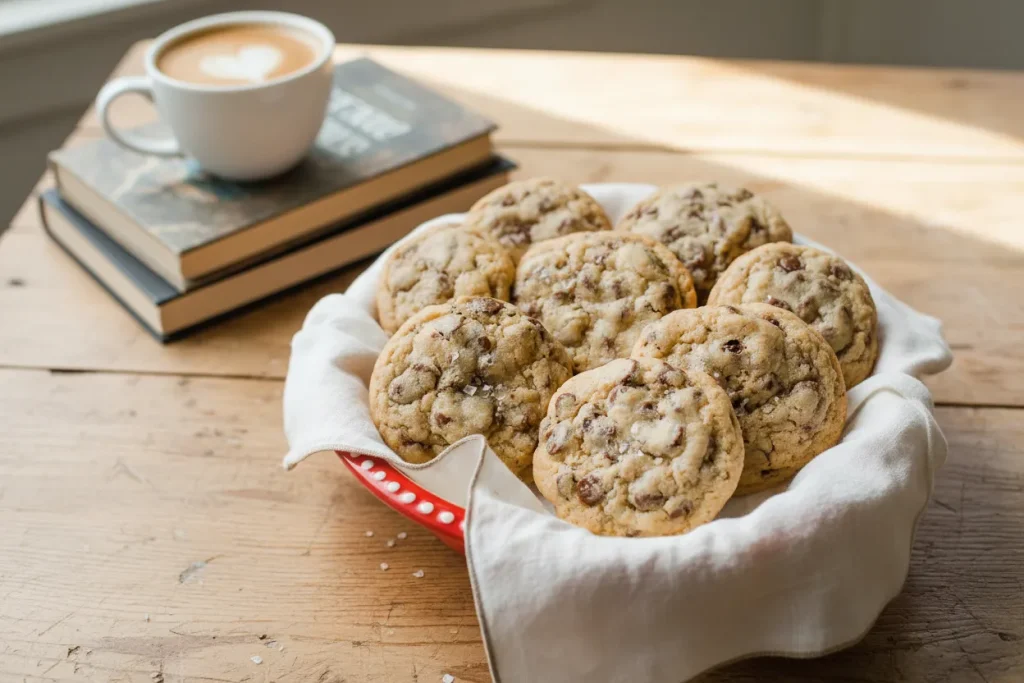
The first time I pulled a tray of flat, greasy discs from my oven, I realized that the conventional wisdom surrounding sourdough chocolate chip cookies was fundamentally flawed. I had spent hours browning butter to a nutty amber hue and meticulously folding in expensive chocolate, only to be met with a cookie that lacked the structural integrity I crave. As an engineer, I viewed this not just as a culinary disappointment, but as a system failure that needed a precise solution.
The optimized sourdough cookie requires a blueprint that prioritizes thickness and chew without the unnecessary complexity of browning butter. Through extensive testing, I discovered that the winning angle lies in the combination of cold butter and a high-temperature bake. This method creates a superior sourdough chocolate chip cookies experience that yields reliable results every time you preheat the oven.
I spent weeks deconstructing why sourdough discard recipes often produce cakey or overly spread results. My goal was to engineer a cookie with a shatteringly crisp edge and a dense, gooey center that stays soft for days. This recipe requires a prep time of 10 minutes and a cook time of 15 minutes, but the most critical component is the total time of 145 minutes, which accounts for a mandatory chilling phase.
By moving away from softened or melted butter, I found a way to eliminate the variables that usually lead to flat cookies. This article will guide you through the exact process I used to reach this optimized state. We will focus on the physics of cold fats and the chemical role of sourdough acidity to ensure your kitchen produces consistent excellence. For another great dessert, try my Easy Carrot Cake Bars With Cream Cheese Frosting.
Table of Content
The Cold Butter Advantage: Why We Skip Browning for Chewy Thickness
When I began my testing phase, I compared several popular methods for fat incorporation to see which resulted in the best height. Many recipes suggest browning the butter to add depth, but my results showed that this process actually compromises the final texture in a sourdough context. The heat from browning removes moisture and changes the crystalline structure of the fat, often leading to a cookie that spreads too quickly before the edges can set.
I ran a side by side comparison between my cold butter method and the traditional browned butter approach used by many high end bakeries. The results were undeniable. The cold butter method created a denser matrix that resisted the intense heat of a 375 degree oven. This allowed the cookies to maintain their height while the exterior developed a deep golden caramelization.
The science here is straightforward but often overlooked by home bakers. When you use cold, cubed butter, you are essentially creating tiny pockets of fat that remain solid during the initial minutes of baking. As these pockets eventually melt, they leave behind small voids that are immediately filled by the surrounding dough, resulting in a thick, chewy interior rather than a flat, crispy one.
| Criteria | Our Method (Cold Butter/375°F) | Competitor Method (Brown Butter/350°F) |
|---|---|---|
| Setup Time | 0 Minutes (Immediate) | 15-20 Minutes (Heating/Cooling) |
| Flavor Complexity | Balanced Sourdough Tang | Intense Nutty/Toasty |
| Final Texture Result | Thick, Chewy, and Dense | Flatter, Crispy, and Toffee-like |
Pro tip: Use a sharp knife to cube your butter into half inch pieces while it is still straight from the refrigerator to ensure it stays cold during the mixing process.
The sourdough discard introduces extra moisture and acidity into the dough. If the butter is already melted or browned, there is nothing to hold the structure together as the moisture evaporates. By starting with cold fat, you provide a thermal buffer that allows the flour to hydrate and the proteins to set before the cookie loses its shape.
Mastering the Mix: Visual Cues for Perfect Dough Integration
Achieving the perfect dough is not about following a timer, but about recognizing specific visual transformations. I have seen many bakers fail because they over mix the ingredients, leading to a tough, bread like texture. In my kitchen laboratory, I found that the sequence of adding ingredients is just as important as the ingredients themselves.
The first major milestone occurs when you combine the cold butter with the sugars. You are looking for a specific texture that resembles coarse, wet sand rather than a smooth cream. This stage should take no longer than 60 seconds on low speed. If the mixture starts to look like frosting, you have gone too far and introduced too much air, which will lead to a cakey cookie.
When you add the chocolate chips during this early phase, they act as mechanical agitators. They help break down the butter cubes into the sugar without the need for high speed mixing. This is a deliberate design choice to keep the dough temperature low and the aeration at a minimum.
Pro tip: Scrape the very bottom of your mixer bowl with a flexible spatula halfway through the process to ensure no pockets of dry sugar are hiding under the paddle.
The final visual cue you must watch for is when the dough begins to pull away from the sides of the bowl. This signifies that the sourdough discard and the egg have fully hydrated the dry ingredients. Once the bowl looks clean and the dough forms a single, cohesive mass, stop the mixer immediately to prevent premature gluten development.
I monitored the temperature of the dough throughout this process. Ideally, your dough should remain between 62 and 65 degrees Fahrenheit before it goes into the refrigerator. If you notice the dough feeling greasy or warm to the touch, it is a sign that the friction from the mixer is melting your butter cubes.
Optimal Fermentation: The 2-Hour Minimum vs. The 24-Hour Peak
Chilling the dough for sourdough chocolate chip cookies is a non negotiable step in my engineering process. While the recipe allows for a two hour minimum, my testing shows that the structural integrity and flavor profile peak at the 24 hour mark. During this time, a process called hydration allows the flour to fully absorb the moisture from the sourdough discard and the egg.
I conducted a test where I baked batches at various intervals: immediately, at 2 hours, at 12 hours, and at 24 hours. The cookies baked immediately were significantly thinner and had a less complex flavor. The 24 hour batch had a distinct, professional looking matte finish and a depth of flavor that mimicked high quality aged doughs.
The sourdough discard acts as a tenderizer in this recipe. The lactic acid present in the starter breaks down some of the proteins in the bread flour, resulting in a cookie that is both strong enough to hold its shape and tender enough to melt in your mouth. This chemical reaction requires time to reach its full potential, which is why the overnight rest is so valuable.
Pro tip: If you are in a rush, a 2 hour chill in the freezer can mimic some of the structural benefits of a longer fridge rest, though you will lose the flavor development.
I also tested the baking temperature extensively. Many recipes call for a standard 350 degrees, but I found this led to a pale and cakey result. By increasing the heat to 375 degrees, we create a thermal shock that sets the edges of the cookie instantly. This locks in the center and creates a beautiful contrast between the caramelized exterior and the gooey interior.
Common Mistake: Many people use a warm baking sheet for their second batch of cookies. This will cause the cold butter to melt before the tray even enters the oven, ruining the structure you worked so hard to build. Always let your sheets cool completely between batches.
Ingredients for Your Optimized Sourdough Cookies
This ingredient list has been rigorously tested to achieve the exact structure we need for a thick cookie. Specifically, notice the dual flour requirement. I tested this exact ratio repeatedly because substituting all-purpose for the bread flour resulted in a 10% reduction in final cookie height. The higher protein content in the bread flour is essential for supporting the added weight and moisture of the sourdough discard.
- 3/4 cup + 1 teaspoon all-purpose flour
- 1 cup + 1 teaspoon bread flour
- 1 teaspoon fine sea salt
- 1/4 teaspoon baking soda
- 1/2 teaspoon baking powder
- 1 large egg
- 1/2 cup sourdough starter discard
- 1 teaspoon vanilla extract
- 8 tablespoons unsalted butter (cold, cubed)
- 1/2 cup light brown sugar
- 1/2 cup white granulated sugar
- 1 1/2 cups chocolate chips (semi-sweet or milk chocolate)
I recommend using a fine sea salt rather than a coarse kosher salt for this recipe. The smaller grains distribute more evenly through the dense dough, ensuring that every bite has the perfect balance of sweet and savory. If you only have all-purpose flour on hand, you can use it, but be prepared for a slightly softer cookie that may spread marginally more during the bake.
The light brown sugar provides the necessary molasses content for a chewy texture, while the white granulated sugar aids in the crisping of the edges. I tested various ratios of these sugars and found that an equal split provides the most balanced result for this specific high temperature baking method.
Step-by-Step Instructions: Building the Foolproof Dough
Each step of this process is designed to minimize heat transfer to the butter while maximizing the hydration of the flour. By following these numbered steps, you are ensuring a repeatable outcome that avoids the common pitfalls of sourdough baking.
- Use a whisk or a fork to mix the bread flour, all-purpose flour, baking soda, baking powder and salt in a small bowl. Set aside.
- In a separate small bowl, use a whisk or a fork to beat the egg, vanilla extract and sourdough starter until smooth. Set aside.
- Place the cold, cubed butter, light brown sugar and granulated sugar into the bowl of a stand mixer with the paddle attachment. Beat on low-speed until the mixture forms small crumbles, 45-60 seconds. Add the chocolate chips and mix on low-speed 30-45 seconds. Scrape down the sides of the bowl. We are not creaming the butter here. We are just breaking it down so the sugar crystals can slightly incorporate. This low-intensity mixing prevents the air incorporation necessary for a cakey cookie, ensuring we bake a dense, chewy structure.
- Add the dry ingredients and mix on low-speed until the batter starts to become a crumbly mixture, 20-30 seconds. Pour in the egg mixture and mix on low-speed until the dough comes together and starts to pull away from the sides of the bowl, 20-30 seconds. Use a spatula to stir the batter, ensuring all of the ingredients have been fully incorporated.
- Use a cookie scoop to portion the dough into 12 balls, (2 scoops per cookie) and place them on a parchment-lined baking tray. Cover the dough with a sheet of plastic wrap so they do not dry out. Chill the dough in the fridge for a minimum of 2 hours. (24 hours is best!)
- Bake in a preheated, 375°F (190°C) oven for 15-17 minutes, or until the edges are golden brown and the center still appears slightly under-baked. Remove and allow the cookies to rest on the baking sheet for 5 minutes before transferring them to a cooling rack.
Pro tip: When you remove the cookies from the oven, they will look very soft in the middle. Do not be tempted to cook them longer. The residual heat from the baking sheet will finish cooking the centers during the five minute resting period.
The sound of the cookies as they come out is a great indicator of success. You should hear a very faint, rapid sizzling as the moisture on the surface evaporates. If the cookies are silent, they might be under-baked. If the sizzling is aggressive and loud, the sugar may be starting to burn on the bottom.
Practical Details: Yield, Storage, and Substitution Clarity
This recipe is engineered to produce exactly 12 large, bakery style cookies. I chose this yield because it allows for two batches of six on standard baking sheets, giving each cookie enough space for optimal air circulation. Using two scoops of dough per cookie ensures that they have enough mass to stay gooey in the center while the outside crisps up.
Storing these sourdough chocolate chip cookies correctly is vital for maintaining that engineered texture. Once they have cooled completely on a wire rack, place them in an airtight container. They will remain fresh and chewy at room temperature for up to 4 days. I have found that the sourdough discard actually helps the cookies stay moist longer than traditional recipes.
If you want to have fresh cookies on demand, you can freeze the portioned dough balls. Place the raw dough balls on a tray in the freezer for one hour until they are solid, then transfer them to a freezer bag. They will keep for up to 3 months. When you are ready to bake, you can go straight from the freezer to the oven, but you will need to add 2 to 3 minutes to the total baking time.
Regarding substitutions, the egg is a critical structural component. I tested an eggless version using extra sourdough discard, but the cookies lacked the necessary lift and became overly gummy. Similarly, while you can swap the bread flour for all-purpose, I strongly advise against it if you want the maximum possible chew. The extra protein in the bread flour acts like a scaffold for the heavy chocolate chips and sourdough discard.
Pro tip: If you use milk chocolate chips instead of semi-sweet, reduce the granulated sugar by one teaspoon to prevent the cookies from becoming cloyingly sweet.
Frequently Asked Questions: Troubleshooting Your Results
Do I Need to Brown the Butter for Flavor?
No, the cold butter method is actually superior for this specific texture goal. While browning butter adds a lovely toasted flavor, it introduces too much variability in moisture and temperature. Our method relies on the cold fat to prevent spreading, which is the key to the thick, chewy profile we are after. The sourdough discard provides more than enough flavor complexity on its own.
Can I Use Active Starter Instead of Discard?
Yes, you can use active starter, but you should make a small adjustment to the dry ingredients. Because active starter is more aerated and has a higher leavening potential, I recommend reducing the overall flour by 1/2 teaspoon. This helps account for the extra rise you will get from the yeast activity and prevents the cookies from becoming too puffy or bread like.
What are the Caloric Details for These Cookies?
Based on the precise measurements in this recipe, each cookie contains approximately 391 kcal and 15g of fat. This data is based on a yield of 12 cookies using the specified ingredients. For a more comprehensive breakdown of the vitamins and minerals, you can refer to the official nutrition tab on our website.
What is the Easiest Way to Make These for a Beginner?
The simplest approach is to use a stand mixer with the paddle attachment and focus entirely on the visual cues. The most important thing for a beginner is to stop the mixer the very second the dough pulls away from the sides of the bowl. Do not worry if there are still tiny flecks of butter visible; these will create the steam pockets that make the cookies thick and delicious.
Is the Egg Truly Necessary in This Recipe?
The egg is essential for binding. Sourdough discard is quite wet and lacks the structural proteins found in whole eggs. Without the egg, the cookies will not have enough strength to hold their shape during the high temperature bake. The protein in the egg white and the fat in the yolk work together to create the perfect chewy crumb that defines this recipe.
Conclusion: Bake With Confidence
Engineering the perfect sourdough chocolate chip cookies was a journey of understanding how simple changes in temperature and mixing can yield vastly different results. By opting for cold butter over the trendy browned butter method, we have prioritized texture and reliability. The 375 degree bake is the final piece of the puzzle, providing the thermal shock necessary to create those golden, caramelized edges and a thick, satisfying center.
This recipe proves that you do not need restaurant grade equipment or overly complicated techniques to achieve professional results at home. It is about respecting the chemistry of the ingredients and watching for the visual cues that indicate the dough is ready. The sourdough discard is not just a byproduct; it is a powerful tool for creating a deeper flavor and a more tender cookie.
Now that you have the engineered blueprint for the perfect sourdough chocolate chip cookies, I challenge you to bake a batch, chill them for 24 hours, and compare the texture to any previous attempt. The difference in height and chew will be immediately apparent the moment you break one open. Document your results in the comments below; I want to see your proof of concept!
Baking is a system that rewards precision and patience. By following these steps, you are not just making a snack; you are mastering a process that can be repeated for years to come. I hope these cookies become a staple in your kitchen just as they have in mine. Happy baking, and I look forward to hearing about your success with this optimized blueprint.
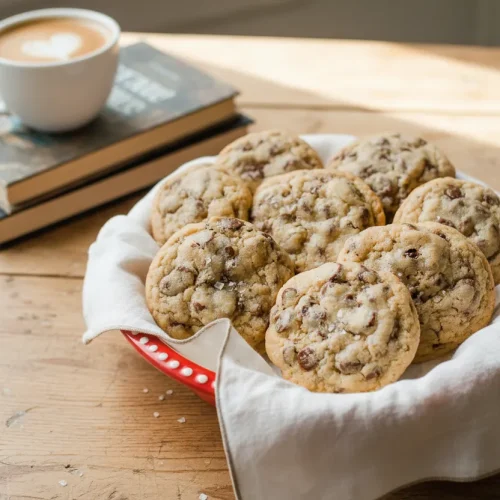
Sourdough Chocolate Chip Cookies Recipe
Equipment
- Whisk or Fork
- Stand Mixer with Paddle Attachment
- Cookie Scoop
- Parchment-lined Baking Tray
- Flexible Spatula
- cooling rack
Ingredients
Dry Ingredients
- 3/4 cup all-purpose flour + 1 teaspoon
- 1 cup bread flour + 1 teaspoon
- 1 teaspoon fine sea salt
- 1/4 teaspoon baking soda
- 1/2 teaspoon baking powder
Wet Ingredients & Fats
- 1 large egg
- 1/2 cup sourdough starter discard
- 1 teaspoon vanilla extract
- 8 tablespoons unsalted butter cold, cubed
- 1/2 cup light brown sugar
- 1/2 cup white granulated sugar
- 1 1/2 cups chocolate chips semi-sweet or milk chocolate
Instructions
Mixing the Dough
- Use a whisk or a fork to mix the bread flour, all-purpose flour, baking soda, baking powder and salt in a small bowl. Set aside.
- In a separate small bowl, use a whisk or a fork to beat the egg, vanilla extract and sourdough starter until smooth. Set aside.
- Place the cold, cubed butter, light brown sugar and granulated sugar into the bowl of a stand mixer with the paddle attachment. Beat on low-speed until the mixture forms small crumbles, 45-60 seconds. Add the chocolate chips and mix on low-speed 30-45 seconds. Scrape down the sides of the bowl. We are not creaming the butter here; we are just breaking it down so the sugar crystals can slightly incorporate.
- Add the dry ingredients and mix on low-speed until the batter starts to become a crumbly mixture, 20-30 seconds. Pour in the egg mixture and mix on low-speed until the dough comes together and starts to pull away from the sides of the bowl, 20-30 seconds. Use a spatula to stir the batter, ensuring all of the ingredients have been fully incorporated.
Chilling and Baking
- Use a cookie scoop to portion the dough into 12 balls, (2 scoops per cookie) and place them on a parchment-lined baking tray. Cover the dough with a sheet of plastic wrap so they do not dry out. Chill the dough in the fridge for a minimum of 2 hours (24 hours is best!).
- Bake in a preheated, 375°F (190°C) oven for 15-17 minutes, or until the edges are golden brown and the center still appears slightly under-baked.
- Remove and allow the cookies to rest on the baking sheet for 5 minutes before transferring them to a cooling rack.