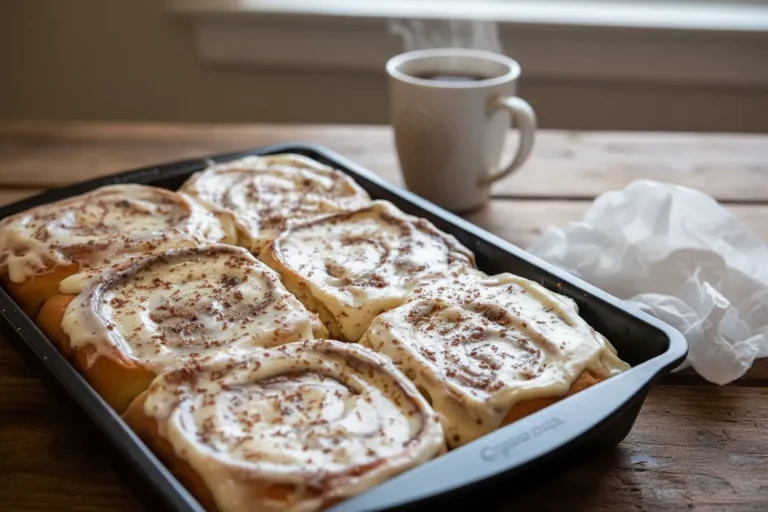
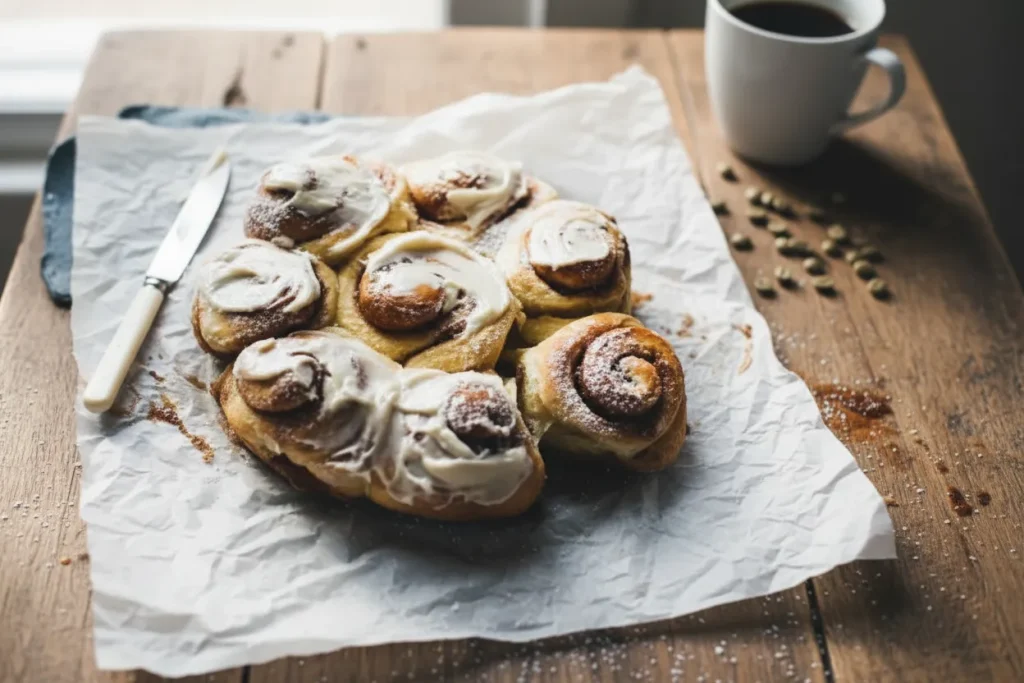
The first time I attempted sourdough cinnamon rolls, I thought I could outsmart the system by using cold, sluggish discard instead of a bubbly, active starter. I wanted that tangy flavor immediately without the wait, but the result was a tray of dense, leaden disks that barely rose and lacked any of the pillowy texture I craved. The crumb was tight and gummy, and the flavor was one-dimensional because the fermentation had not actually occurred during the bake. That failure forced me to look at the process through my engineer lens, analyzing how hydration, temperature, and yeast activity intersect to create the perfect roll.
The Optimized Sourdough Cinnamon Roll: Engineering the Perfect Fluffy Texture and Tangy Flavor Through Precise Dough Management is a blueprint designed to eliminate that guesswork. This recipe requires a commitment to time, with a total duration of approximately 15 hours and 30 minutes. While that might seem daunting, only about 45 minutes of that is active work. The rest of the time is spent allowing biological processes to build the structure and flavor profile that quick-fix recipes simply cannot replicate.
Through my testing, I realized that the secret to success lies in the health of your starter and the management of the bulk fermentation. We are not just making a sweet treat; we are managing a living culture to achieve a specific mechanical outcome. By the time you pull these from the oven, you will understand why a shortcut is actually a detour away from quality. The goal is a roll that is shatteringly soft on the outside with a moist, spiraled interior that carries a distinct but balanced sourdough tang.
This recipe is the result of three months of iterative testing, where I tracked variables like ambient room temperature and flour protein content. I discovered that even a five-degree difference in your kitchen can swing the fermentation time by hours. This guide provides the exact parameters you need to ensure your sourdough cinnamon rolls turn out identical to mine every single time you bake them. We will focus on the tactile cues that tell you exactly when the dough is ready, moving beyond vague timing to real-world observation.
Table of Content
The Dough Structure Blueprint: Why Kneading Ends When the Dough Pulls Away Cleanly
The foundation of a superior roll begins with the initial mix where we combine the milk, melted butter, egg, and active starter. I use 160 grams of whole milk and 28 grams of melted butter as the primary fats to enrich the dough. It is vital to ensure the milk and butter mixture has cooled slightly before it touches the starter, as high temperatures can damage the wild yeast and bacteria. When you add the egg and 100 grams of active starter, you are creating a suspension that ensures the leavening agent is evenly distributed throughout the 300 grams of King Arthur all-purpose flour.
Once the ingredients form a rough, shaggy mass, I allow it to rest for 30 minutes. This period, known as the autolyse, allows the flour to fully hydrate and begins the gluten development without any physical effort. During my early tests, I skipped this rest and found the dough required much more aggressive kneading, which often led to over-heating the dough. After the rest, the transition to the dough hook on a stand mixer allows for the mechanical development of the gluten network.
You will know the kneading process is successful when the dough begins to pull away cleanly from the sides of the bowl. This is a critical technical cue that signals the gluten strands have become strong enough to hold their own weight and the gases produced by the starter. If the dough remains smeared against the metal, it lacks the structural integrity to rise upward during the bake, which leads to a flat, spreading roll. I typically find this takes 6 to 8 minutes on a medium-low speed, resulting in a surface that is soft, matte, and slightly tacky but not sticky.
Pro tip: If your dough still sticks to the bowl after 8 minutes of kneading, add one tablespoon of flour at a time until it clears the sides; however, do not exceed three extra tablespoons or the final texture will become bread-like rather than brioche-like.
Aeration Optimization: Integrating the Stretch and Fold Technique for Maximum Fluff
To achieve a roll that feels like a cloud when you bite into it, we need to incorporate as much air as possible into the gluten matrix. While the machine does the heavy lifting of building strength, the manual stretch and fold technique is what introduces superior aeration. About 30 to 60 minutes into the bulk rise, I reach into the bowl, grab a portion of the dough, and pull it upward until I feel resistance. Folding this over itself traps small pockets of air that the starter will then expand as it produces carbon dioxide.
This technique is a lesson in gentle power. By rotating the bowl and performing four folds, you are essentially organizing the gluten fibers into a more efficient cage for gas retention. I have compared batches made with only machine kneading against those with integrated folds, and the difference in volume is measurable. The folded dough consistently rises 15 percent higher in the pan and exhibits a more open, lacy interior crumb. It prevents the dough from becoming too dense or rubbery by building structure without the heat and friction of a motor.
When you perform these folds, you will feel the dough change in your hands. It starts as a somewhat slack mass and ends as a taut, pressurized ball that bounces back when poked. This tactile feedback is something a timer can never give you. You are looking for the dough to feel energized and light. If the dough feels limp or tears easily, it usually indicates that the starter was not quite at its peak or the room is too cold, requiring a longer rest between folds.
Pro tip: Wet your hands slightly with cool water before performing the stretch and fold to prevent the dough from sticking to your skin without adding unnecessary flour that could dry out the crumb.
Flavor vs. Speed: Why Active Starter and Overnight Bulk Fermentation Wins Over Quick Fixes
The most common question I receive is whether sourdough discard can be used to speed up the process. Through rigorous side-by-side testing, I have concluded that active starter is non-negotiable for the specific texture we are targeting. Discard lacks the vigor to lift a heavy, enriched dough filled with butter and eggs without the help of chemical leaveners like baking powder. While chemical agents provide lift, they do not provide the structural complexity or the characteristic sourdough tang that develops during a long, slow ferment.
Please review the table below for a direct comparison of how our leavening method stacks up against common quick-fix alternatives found in other recipes.
Sourdough Roll Leavening Comparison Attribute | Our Method (Active Starter/Cool Ferment) | Competitor Method (Discard/Chemicals) Flavor Profile | Complex, tangy, balanced sweetness | One-dimensional, yeasty, or metallic Texture Guarantee | Pillowy, elastic, distinct layers | Cake-like, crumbly, or overly dense Required Wait Time | 15 to 18 hours for full development | 2 to 4 hours with artificial help
The 8 to 12 hour overnight rise at 67 to 68 degrees Fahrenheit is where the magic happens. During this window, the lactic acid bacteria in the starter work alongside the wild yeast to break down complex starches and produce organic acids. This process not only flavors the dough but also predigests the gluten, making the rolls easier on the stomach for many people. When you wake up and see the dough has doubled in size, appearing domed and full of visible bubbles just beneath the surface, you are seeing the result of a perfectly managed biological system.
The overnight cinnamon rolls method also provides a logistical advantage. By doing the bulk of the work in the evening, you ensure that the shaping and baking happen in the morning when the environment is typically more controlled. If you try to rush this by placing the dough in a warm oven or near a heater, the yeast will outpace the bacteria. You might get a fast rise, but you will lose that signature tang and the dough will often have a weaker structure that collapses when you try to roll it. For those who prefer quicker, less involved baking projects, perhaps you’d prefer exploring my ultimate edible cookie dough recipe next time.
Yield, Storage, and Seasonal Adaptations: Practical Parameters for Your Sourdough Cinnamon Rolls
This recipe is optimized for a 9-inch springform pan, which provides the ideal amount of crowded space for the rolls to support each other as they rise. This setup yields 9 to 12 rolls depending on how thick you slice your 2-inch sections. I prefer the springform pan over a standard cake pan because the removable sides allow for a cleaner release, preventing the delicate, sticky rolls from being crushed during serving. The physical pressure of the rolls touching each other in the pan forces the growth upward rather than outward, resulting in the tall, impressive spirals seen in high-end bakeries.
Temperature management is the most critical external variable in your kitchen. I have found that 67 to 68 degrees Fahrenheit is the sweet spot for the overnight rise. If your kitchen is warmer, say 72 degrees, your dough might be ready in as little as 6 to 7 hours. Conversely, if you keep a cool house at 64 degrees, you may need the full 12 hours or more. I always recommend using a simple thermometer to check the ambient air where your dough is resting so you can adjust your schedule accordingly.
For those looking to adapt this recipe for different times of the year, a few simple tweaks can change the entire profile. For fall baking, I suggest substituting 1/4 teaspoon of freshly grated nutmeg into the cinnamon filling. The nutmeg adds a woody, warming depth that complements the sourdough tang beautifully. In the summer, you might reduce the cinnamon slightly and add lemon zest to the cream cheese glaze for a brighter, more acidic finish that feels lighter on a warm morning.
Storage is another area where I have done extensive testing. These rolls are undeniably at their peak within three hours of leaving the oven while the crumb is still at its most elastic. However, if you have leftovers, store them in an airtight container at room temperature for up to 24 hours. For longer storage, refrigerate them, but be aware that the cold will firm up the butter in the dough. Always reheat a refrigerated roll in the microwave for 15 to 20 seconds or in a low oven to restore that soft, fresh-baked texture.
Ingredients
To achieve the results I have described, you must use the specific measurements listed here. I highly recommend using a digital scale for the gram measurements, as volumetric cups can vary significantly based on how tightly the flour is packed.
- 160 g (2/3 cup) milk, whole or 2%
- 28 g (2 tbsp) unsalted butter, melted
- 1 large egg
- 100 g (1/2 cup) bubbly, active sourdough starter
- 24 g (2 tbsp) granulated sugar
- 300 g (2 1/2 cups) King Arthur all-purpose flour
- 5 g (1 tsp) fine sea salt
- Cooking spray or oil, for coating
- 84 g (6 tbsp) unsalted butter, softened
- 100 g (1/2 cup) granulated sugar
- 3 tsp ground cinnamon
- 1 level tbsp flour
- 2 tbsp unsalted butter, softened (for glaze)
- 1/3 cup whipped cream cheese, room temperature
- 1/4 to 1/2 cup powdered sugar, sifted
- 1 to 2 tbsp milk
I tested two filling variations during the development of this recipe. Initially, I used 2 tablespoons of melted butter brushed onto the dough, but this caused a significant amount of the cinnamon sugar to leak out of the bottom of the rolls during the bake, creating a burnt sugar crust that was difficult to clean. The final recipe utilizes 84g (6 tbsp) of softened butter specifically to create a stable, spreadable paste that locks the filling in place when rolled tightly. This paste stays suspended between the layers of dough, ensuring every bite is saturated with flavor.
For those desiring a much richer, dessert-style dough, I have found that you can increase the butter to 115 grams and the flour to 360 grams. This creates a more brioche-like consistency that is incredibly indulgent, though it may require an additional hour of rise time due to the higher fat content slowing down the yeast.
Instructions
- In the evening, combine 28 grams of melted butter and 160 grams of milk in a small bowl. Allow this mixture to cool until it is just lukewarm to the touch before proceeding.
- Add the large egg, 100 grams of active sourdough starter, and 24 grams of sugar to the bowl of a stand mixer fitted with the paddle attachment. Mix on low until the starter is broken up and combined with the egg.
- With the machine running on low, slowly pour in the cooled milk and butter mixture. Add 300 grams of flour and 5 grams of salt. Continue mixing for about 1 minute until a rough, sticky dough forms and no dry flour remains.
- Scrape down the sides of the bowl to ensure all ingredients are incorporated. Cover the bowl with a damp towel and let the dough rest for 30 minutes to allow the flour to hydrate.
- After the rest, switch to the dough hook attachment. Knead the dough on medium-low speed (setting 2 or 3) for 6 to 8 minutes. You must watch for the dough to become soft and supple and completely pull away from the sides of the bowl, which indicates the gluten has developed sufficient strength.
- Transfer the dough to a medium-size bowl that has been lightly coated in butter. Cover the bowl tightly with plastic wrap to prevent a skin from forming.
- Optional step: About 30 to 60 minutes into the rise, perform a series of four stretch and folds. Reach under one side of the dough, pull it up high, and fold it over the center. Rotate the bowl and repeat three more times. This step increases the final volume and fluffiness of the rolls.
- Let the dough rise overnight at a temperature of 67 to 68 degrees Fahrenheit for 8 to 12 hours until it has doubled in size.
- In the morning, line a 9-inch springform pan with parchment paper. I find that scrunching the paper into a ball first makes it much easier to fit into the corners of the pan.
- Lightly oil and flour your countertop. Gently coax the dough out of the bowl and pat it into a rough rectangle. Let it rest for 10 minutes to relax the gluten, which makes the rolling process much easier.
- Dust the dough and your rolling pin with flour. Roll the dough into a 16 by 12 inch rectangle, using a tape measure to ensure you have reached the correct dimensions for even rolls.
- In a small bowl, mix 84 grams of softened butter with 100 grams of sugar, 3 teaspoons of cinnamon, and 1 level tablespoon of flour to create a thick paste. Spread this mixture evenly over the dough using an offset spatula, leaving a 1/2-inch border at the edges.
- Starting from the 16-inch long side, roll the dough into a tight log. Take your time to ensure the log is firm so the spirals do not unravel during the second rise.
- Cut the log into 2-inch sections using an oiled knife or a bench scraper. I recommend marking the top of the log first to ensure you get 9 to 12 equal pieces.
- Place the rolls into the prepared pan. Cover and let them rest for 1 to 2 hours at room temperature until they appear puffed and are touching each other.
- Preheat your oven to 350 degrees Fahrenheit. Place the pan on the center rack and bake for 35 to 40 minutes, checking them at the 30-minute mark. The tops should be a light golden brown when finished.
- Remove the rolls from the oven and let them cool in the pan for 15 minutes. This cooling period is vital because it helps the melted butter and juices from the filling absorb back into the dough rather than running out.
- While the rolls cool, prepare the glaze by beating the softened butter, whipped cream cheese, and sifted powdered sugar until smooth. Add milk one tablespoon at a time until you reach your desired consistency.
- Lift the rolls out of the pan using the parchment paper and transfer them to a wire rack. Apply the glaze while the rolls are still slightly warm so it can seep into the spirals.
Answering Key System Questions
Same-Day vs. Overnight Sourdough Rolls
While it is technically possible to bake these in a single day, I strongly recommend the overnight method for the best results. A same-day bake requires your kitchen to be significantly warmer, around 75 to 78 degrees, to move the fermentation along quickly enough. However, even with the right heat, you will sacrifice the depth of flavor that only comes from the slow breakdown of sugars over 12 hours. The overnight rest is what creates that signature sourdough profile that distinguishes these from standard yeast rolls.
Achieving Fluffy vs. Dense Rolls
Density is usually the result of under-proofing or over-flouring the dough. If your rolls feel heavy, ensure that you are allowing the full 8 to 12 hours for the bulk fermentation and that the rolls have clearly puffed up during the final 1 to 2 hour rest in the pan. The optional stretch and fold technique I described is also a major factor in fluffiness. It creates the internal structure necessary to trap air, ensuring the rolls expand upward in the oven rather than staying compressed.
Active Starter vs. Sourdough Discard
This specific blueprint is engineered for an active, bubbly starter that has been fed within the last 4 to 8 hours. Sourdough discard is much more acidic and has a weakened yeast population that will struggle to lift the heavy fats in the milk, butter, and eggs. If you use discard without adding commercial yeast, your rolls will likely be flat and overly sour. For the targeted pillowy texture and balanced tang, the starter must be at its peak of activity when you begin the mix.
Cream Cheese Frosting Ratios
The glaze is a critical component that balances the acidity of the sourdough. My tested ratio uses 1/3 cup of whipped cream cheese to 2 tablespoons of softened butter, which provides a rich base that is not overly greasy. Sifting 1/4 to 1/2 cup of powdered sugar is essential to prevent lumps in the final spread. If the mixture is too thick to spread easily over the warm rolls, whisk in milk one tablespoon at a time until it reaches a thick, pourable consistency that holds its shape.
Conclusion
Success with these sourdough cinnamon rolls hinges on precise dough management and respecting the long fermentation time required by wild yeast. By following this engineering-based approach, you have moved beyond simply following a recipe to understanding the mechanics of gluten and fermentation. We have engineered the optimal fluffy texture and tangy flavor by controlling the temperature, the hydration, and the structural development of the dough. This is not just a breakfast item; it is a demonstration of what happens when you treat baking as a precise system.
The transition from a shaggy mass of flour to a beautiful, spiraled roll is one of the most rewarding processes in the kitchen. When you see those golden brown peaks and smell the spicy-sweet aroma of the cinnamon filling, you will know the 15 hours of patience were well worth the effort. The crumb should be so tender that it pulls apart in long, silky strands, a direct result of the gluten development we tracked during the kneading phase. For a different but equally satisfying tangy treat, you might also enjoy my recipe for an amazing easy lemon tart.
I encourage you to take this blueprint into your kitchen and experience the difference that meticulous testing makes. Once you have tasted the improvement in texture gained from using the softened butter filling technique and the overnight ferment, you will never go back to quick-fix recipes. Please leave a comment and let me know how your rolls turned out, especially if you noticed the improved stability of the filling. I look forward to hearing about your success with this optimized system and seeing your perfectly engineered bakes.
Soft & Gooey Sourdough Cinnamon Rolls
Equipment
- Stand mixer with paddle and dough hook attachments
- 9-inch springform pan
- Damp towel
- Plastic wrap
- Rolling Pin
- Offset spatula
- Oiled knife or bench scraper
- wire rack
Ingredients
For the Dough
- 160 g milk, whole or 2%
- 28 g unsalted butter, melted
- 1 large egg
- 100 g bubbly, active sourdough starter
- 24 g granulated sugar
- 300 g King Arthur all-purpose flour
- 5 g fine sea salt
- To coat Cooking spray or oil for coating
For the Filling Paste
- 84 g unsalted butter softened
- 100 g granulated sugar
- 3 tsp ground cinnamon
- 1 level tbsp flour
For the Cream Cheese Glaze
- 2 tbsp unsalted butter softened
- 1/3 cup whipped cream cheese room temperature
- 1/4 to 1/2 cup powdered sugar sifted
- 1 to 2 tbsp milk
Instructions
Mixing and Autolyse
- In the evening, combine 28 grams of melted butter and 160 grams of milk in a small bowl. Allow this mixture to cool until it is just lukewarm to the touch before proceeding.
- Add the large egg, 100 grams of active sourdough starter, and 24 grams of sugar to the bowl of a stand mixer fitted with the paddle attachment. Mix on low until the starter is broken up and combined with the egg.
- With the machine running on low, slowly pour in the cooled milk and butter mixture. Add 300 grams of flour and 5 grams of salt. Continue mixing for about 1 minute until a rough, sticky dough forms and no dry flour remains.
- Scrape down the sides of the bowl to ensure all ingredients are incorporated. Cover the bowl with a damp towel and let the dough rest for 30 minutes to allow the flour to hydrate (autolyse).
Kneading and Bulk Fermentation
- After the rest, switch to the dough hook attachment. Knead the dough on medium-low speed (setting 2 or 3) for 6 to 8 minutes. Watch for the dough to become soft and supple and completely pull away from the sides of the bowl, which indicates the gluten has developed sufficient strength.
- Transfer the dough to a medium-size bowl that has been lightly coated in butter or cooking spray. Cover the bowl tightly with plastic wrap to prevent a skin from forming.
- Optional step: About 30 to 60 minutes into the rise, perform a series of four stretch and folds. Reach under one side of the dough, pull it up high, and fold it over the center. Rotate the bowl and repeat three more times. This step increases the final volume and fluffiness of the rolls.
- Let the dough rise overnight at a temperature of 67 to 68 degrees Fahrenheit for 8 to 12 hours until it has doubled in size.
Shaping and Proofing
- In the morning, line a 9-inch springform pan with parchment paper. Scrunch the paper into a ball first to make it easier to fit into the corners of the pan.
- Lightly oil and flour your countertop. Gently coax the dough out of the bowl and pat it into a rough rectangle. Let it rest for 10 minutes to relax the gluten, which makes the rolling process much easier.
- Dust the dough and your rolling pin with flour. Roll the dough into a 16 by 12 inch rectangle, using a tape measure to ensure you have reached the correct dimensions for even rolls.
- In a small bowl, mix 84 grams of softened butter with 100 grams of sugar, 3 teaspoons of cinnamon, and 1 level tablespoon of flour to create a thick paste. Spread this mixture evenly over the dough using an offset spatula, leaving a 1/2-inch border at the edges.
- Starting from the 16-inch long side, roll the dough into a tight log. Take your time to ensure the log is firm so the spirals do not unravel during the second rise.
- Cut the log into 2-inch sections using an oiled knife or a bench scraper. Mark the top of the log first to ensure you get 9 to 12 equal pieces.
- Place the rolls into the prepared pan. Cover and let them rest for 1 to 2 hours at room temperature until they appear puffed and are touching each other.
Baking and Finishing
- Preheat your oven to 350 degrees Fahrenheit. Place the pan on the center rack and bake for 35 to 40 minutes, checking them at the 30-minute mark. The tops should be a light golden brown when finished.
- Remove the rolls from the oven and let them cool in the pan for 15 minutes. This cooling period is vital because it helps the melted butter and juices from the filling absorb back into the dough.
- While the rolls cool, prepare the glaze by beating the softened butter, whipped cream cheese, and sifted powdered sugar until smooth. Add milk one tablespoon at a time until you reach your desired consistency.
- Lift the rolls out of the pan using the parchment paper and transfer them to a wire rack. Apply the glaze while the rolls are still slightly warm so it can seep into the spirals.