The first time I attempted to serve a home-cooked seafood platter to my family, the meal was nearly derailed by a small bowl of white sauce. I had followed a generic recipe that promised a zesty finish, but the result was a sharp, abrasive mess that overwhelmed the delicate flavor of the cod. The raw heat of the root vegetable I had added was so aggressive that it masked every other note in the dish. It was a classic engineering failure where one component had been allowed to dominate the entire system.
On my second attempt, I swung too far in the opposite direction. I relied entirely on a jar of sweet relish, hoping the sugar would provide a safe baseline. That version was cloying and flat, lacking any of the sophisticated punch you expect from a high-end restaurant experience. It was then that I realized that creating a superior tartar sauce with horseradish requires more than just mixing ingredients in a bowl. It requires a fundamental understanding of flavor buffering and structural balance.
Through weeks of testing and dozens of variations, I discovered that the secret lies in using granulated sugar not as a sweetener, but as a chemical stabilizer. This realization was my breakthrough moment. By applying precise ratios to manage the variables of acidity and heat, I developed a blueprint that produces repeatable, professional results every time.
Prep Time: 5 minutes Cook Time: 0 minutes Total Time: 5 minutes
Table of Content
The Optimized Tartar Sauce: Precision Balancing of Heat, Sweetness, and Tang for Restaurant-Quality Results
When I approach a recipe from an engineering perspective, I look for the points of failure that cause a dish to feel amateur or inconsistent. Most home versions of this condiment suffer from a lack of structural integrity. They are either too watery from excess lemon juice or too pungent from an unmeasured hand with the seasonings. This optimized system is designed to eliminate those inconsistencies by establishing a firm base and layering flavors in a specific order.
The goal of this blueprint is to create the best blackened fish sandwiches with horseradish tartar sauce by ensuring the sauce can stand up to bold spices without losing its own identity. I have spent hours analyzing how different fats interact with acidic modifiers. A high-quality mayonnaise provides the necessary lipid structure, but it requires the right type of acidity to cut through the richness.
In my testing, I found that many recipes fail because they do not account for the way flavors evolve after the sauce is mixed. A sauce that tastes balanced at room temperature will often taste muted once it has been chilled. By following these precise measurements, you are creating a flavor system that is engineered to reach its peak profile after a short rest in the refrigerator. This ensures that every bite provides a consistent level of tang and heat. For another great condiment recipe, try my Reliable 5-Minute Vegan Tartar Sauce Recipe.
Pro tip: Always use a glass or ceramic bowl for mixing to avoid any metallic reactions with the lemon juice and relish brine.
The Power Trio: Why We Use Dill Relish and Fresh Dill in Our Optimized Sauce
One of the most common questions I receive is why I insist on using both a processed relish and fresh herbs in the same mixture. From a culinary engineering standpoint, these two ingredients serve completely different functions within the flavor matrix. Relying on only one creates a flat profile that lacks the three-dimensional quality found in professional kitchens.
The dill relish provides the essential brine and acidity structure. Because it has been pickled, the cucumbers have undergone a cellular change that allows them to hold onto vinegar and salt. This provides a consistent, sharp bite that remains stable even when mixed into a heavy emulsion of oil and egg yolks. Without this pickled element, the sauce feels heavy and lacks the necessary brightness to complement fried seafood.
However, the pickling process destroys the volatile aromatic oils that make fresh herbs so vibrant. This is why I integrate freshly chopped dill as the second part of the trio. When you mince fresh dill, you release these oils immediately into the sauce. The aroma hits your senses before the sauce even touches your tongue, providing a sensory layer that a jarred product simply cannot replicate.
The third part of this trio is the mayonnaise itself, which acts as the carrier for these disparate textures. I have observed that the suspension of the crisp relish bits against the soft, feathery fresh dill creates a complex mouthfeel. This contrast is what makes the sauce feel substantial rather than just a thin dressing.
- Dill Relish: Supplies the foundational acidity and a rhythmic crunch that survives the mixing process.
- Fresh Dill: Offers immediate aromatic impact and a bright, grassy top note that lightens the overall profile.
- Mayonnaise: Serves as the emulsified base that binds the water-soluble and fat-soluble flavors together.
Deconstructing the Heat: How to Scale Horseradish Potency
Integrating heat into a creamy base is a delicate operation that requires an understanding of how pungent compounds behave. When making a tartar sauce with horseradish, you are dealing with allyl isothiocyanate, the volatile compound responsible for that characteristic nasal burn. Unlike the capsaicin found in chili peppers, this heat is fleeting but intense.
During my rigorous testing phase, I established a baseline of one teaspoon of standard prepared variety for every cup of base. I chose this specific measurement because it provides what I call the optimal burn rate. It is enough to be noticed as a distinct layer of flavor, but it does not overwhelm the delicate sweetness of the relish or the bright citrus notes of the lemon. If the heat is too low, the sauce feels generic; if it is too high, it becomes a cocktail sauce instead of a tartar sauce.
I also investigated how different styles of the root affect the final outcome. If you choose to use a stone-ground version, you must account for its texture and increased concentration of volatile oils. In my experiments, stone-ground varieties often required a 50 percent increase in volume to achieve the same perceived heat level because the larger particles release their pungency more slowly than a finely grated prepared version.
To scale the heat for your personal preference, I recommend starting with the baseline and increasing in quarter-teaspoon increments. I have found that a two-teaspoon limit is generally the ceiling for this specific volume of sauce. Beyond that point, the chemical balance shifts, and the sauce begins to separate as the enzymes in the root interact with the egg proteins in the base.
Pro tip: If you find the heat has become too aggressive after mixing, add an extra tablespoon of mayonnaise to dilate the pungent compounds rather than adding more sugar.
The Acid Test: Fine-Tuning Sweetness and Tang with Lemon Juice and Sugar
The final stage of optimization involves balancing the acidic top notes with a necessary buffer. In my engineering work, a buffer is something that prevents a system from becoming too extreme in one direction. In this recipe, the granulated sugar is that buffer. It is not there to make the sauce taste like dessert; it is there to soften the edges of the acetic acid from the relish and the citric acid from the lemon.
I conducted a side-by-side test comparing a sauce made without sugar to one with the specified teaspoon. The version without sugar felt jagged on the palate, with the lemon juice hitting the back of the throat too sharply. The version with sugar felt rounded and cohesive. The sugar molecules physically interfere with our tongue’s perception of sourness, allowing the more subtle flavors of the dill and pepper to emerge.
| Component | Required Amount | Primary Function/Impact on Flavor System |
|---|---|---|
| Lemon Juice | 1 Tablespoon | Provides immediate, bright top notes and thins the emulsion for better flow. |
| Granulated Sugar | 1 Teaspoon | Acts as a chemical buffer against harsh acidity and provides a balanced finish. |
| Dill Relish Brine | Included in 1/2 Cup | Offers a deep, fermented acidity that stays on the palate longer than citrus. |
| Black Pepper | 1/4 Teaspoon | Adds a low-frequency warmth that grounds the brighter citrus and herb notes. |
The lemon juice provides the first impression of the sauce. It is the high-frequency note that clears the palate. Because citrus juice begins to oxidize and lose its vibrancy the moment it is squeezed, I always use fresh fruit rather than a bottled concentrate. The difference in the finished sauce is measurable; fresh juice has a complex scent profile that bottled versions lack entirely.
When these elements are combined, the sugar dissolves into the moisture provided by the lemon juice and the relish. This creates a stable syrup that coats the other ingredients. Once the sauce is chilled, this syrup thickens slightly, contributing to a glossier appearance and a more luxurious texture.
Pro tip: For an even more intense citrus profile, grate a small amount of lemon zest into the bowl before adding the liquid juice.
Ingredients for the Optimized Tartar Sauce
The following ingredient list is the result of multiple iterations designed to find the perfect ratio of solids to liquids. Each measurement has been verified to ensure the emulsion remains stable while providing maximum flavor density.
- 1 cup mayonnaise (not Miracle Whip)
- 1/2 cup dill relish
- 1 tablespoon freshly chopped dill
- 1 tablespoon freshly squeezed lemon juice
- 1 teaspoon horseradish (or stone ground mustard)
- 1 teaspoon granulated sugar (or more to taste)
- 1/4 teaspoon black pepper
I specifically tested the required horseradish level against a commercial extra spicy variety. The 1-teaspoon measurement provided the optimal burn rate for this base mixture. If you opt for stone-ground, you may need to increase by 50 percent because the larger surface area of the particles in stone-ground versions means the flavor is released more slowly. Finely grated varieties provide an immediate impact, while coarser grinds offer a delayed heat that builds as you eat.
Common Mistake: Using a salad dressing spread instead of real mayonnaise. These spreads contain added starches and different ratios of vinegar that will throw off the carefully calculated balance of sugar and lemon in this blueprint.
Instructions: Building Your Flavor System
The process of assembling this sauce is straightforward, but the order of operations matters for the best results.
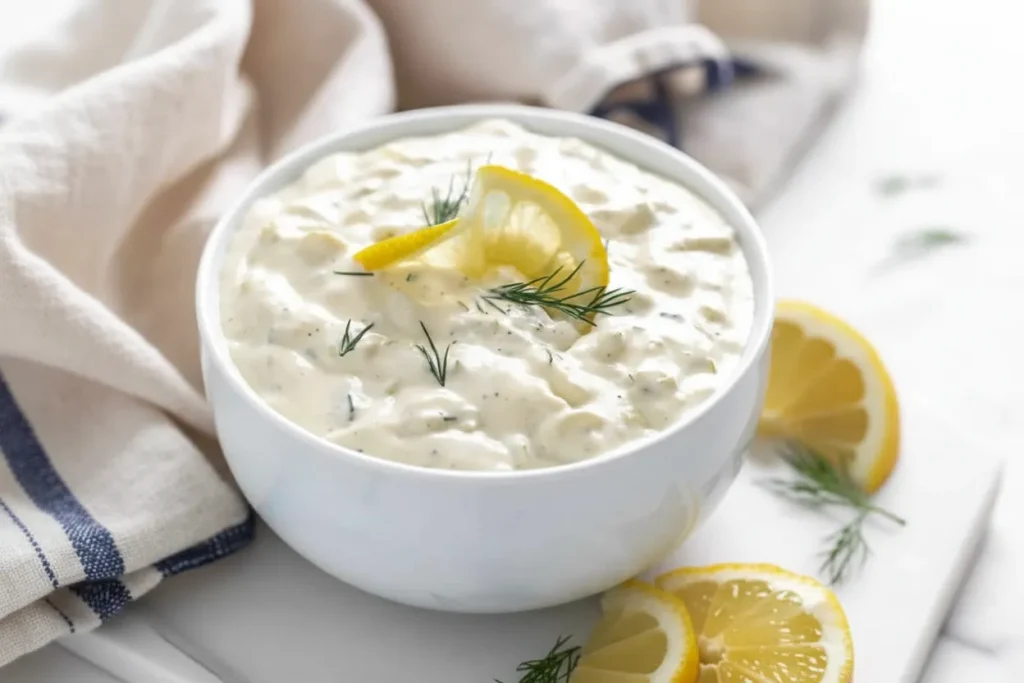
- Combine all the ingredients in a bowl until well mixed. Serve immediately or refrigerate.
- Scroll up and see the post for tips, FAQs, and storage options.
Combining all ingredients at once allows the sugar and acid to begin their buffering action immediately. I have observed that when the sugar is allowed to dissolve in the presence of the other acids before the sauce is chilled, it creates a more homogenous flavor profile. This is because the solutes have time to distribute evenly through the fat phase of the mayonnaise.
As you stir, you will notice the texture change. The addition of the lemon juice will initially thin the mayonnaise, but as the sugar dissolves and the relish is incorporated, the mixture will regain its body. You should hear a soft, wet clicking sound as the spoon moves through the relish, indicating that the solids are properly suspended in the cream.
Pro tip: Use a silicone spatula to fold the ingredients together. This ensures you scrape the sides of the bowl effectively, leaving no pockets of unmixed mayonnaise or concentrated sugar.
Yield, Storage, and Seasonal Variations
This recipe yields approximately 1.5 cups of finished sauce, which is typically enough to serve six to eight people depending on the application. Because this is a fresh emulsion containing egg yolks and fresh herbs, it must be handled with care to maintain its quality and safety.
I recommend storing the sauce in an airtight container in the coldest part of your refrigerator. According to my testing, the flavor peaks about two hours after mixing, as the fresh dill and dry seasonings have time to hydrate. The sauce will remain high in quality for up to 5 days. You must absolutely not freeze this sauce; freezing will break the emulsion of the mayonnaise, resulting in a separated, oily mess that cannot be restored to its original creamy state.
For those looking to adapt this blueprint for different times of the year, seasonal variations can be easily integrated. For a Summer Kick, I suggest adding one tablespoon of finely minced capers. The capers add a different type of saltiness and a floral note that pairs exceptionally well with grilled fish or cold shrimp cocktails.
If you are serving this alongside a heavier, fried dish in the winter, you might consider increasing the black pepper to a half-teaspoon. This provides a lingering warmth that cuts through the heavier fats used in deep-frying. Regardless of the variation, always maintain the core ratio of sugar to acid to ensure the system remains balanced.
Frequently Asked Questions on Tartar Sauce Optimization
Does Traditional Tartar Sauce Include Horseradish?
While the most basic versions of this condiment rely solely on pickles and mayonnaise, the modern, optimized version should include it. In my analysis of flavor profiles, the addition of a pungent element is what distinguishes a professional-grade sauce from a simple household dressing. The key is how my measurement balances the relish and sugar to ensure the heat is a supporting player rather than the lead. It provides a complexity that bridges the gap between the fat of the fish and the crispness of the breading.
What Are the Necessary Base Ingredients for Tartar Sauce?
The foundation of any successful version of this sauce rests on three pillars: a stable fat (mayonnaise), a fermented crunch (relish), and a bright acid (lemon or vinegar). The mayonnaise provides the volume and mouthfeel, the relish provides the texture and deep acidity, and the acid provides the necessary lift. My blueprint builds upon these pillars by adding aromatic and pungent layers that create a more sophisticated flavor system.
Can I Use Alternative Creamy Bases Besides Mayonnaise?
You can substitute a portion of the mayonnaise with sour cream or Greek yogurt, but I advise caution. In my experiments, replacing more than 25 percent of the base significantly altered both the flavor and the texture. Sour cream adds a lactic tang that competes with the lemon juice, which would require you to reduce the lemon and perhaps increase the sugar. It also results in a thinner consistency that may not cling as well to the food.
How Does This Recipe Compare to Gourmet Versions (e.g., Gordon Ramsay’s)?
Many gourmet recipes, such as those by high-profile chefs, focus on adding multiple complex ingredients like shallots, capers, or gherkins. While those versions are excellent, the focus of my blueprint is on balancing the primary flavor variables of heat, sweetness, and tang with maximum efficiency. By perfecting the ratio of common ingredients like horseradish and sugar, I provide a restaurant-quality result that does not require an extensive list of specialty items.
Conclusion: Mastering the Zesty Tartar Sauce Blueprint
Mastering this condiment is about more than just a quick mix; it is about understanding how to engineer a balance between competing flavors. Precision in managing the heat of the horseradish, the sweetness of the sugar, and the tang of the lemon is what separates an average sauce from something truly restaurant-quality. By treating the recipe as a system of inputs and outputs, you can ensure that every batch you make is as good as the last.
I have found that when you take the time to measure these ingredients accurately, you create a sauce that enhances the meal rather than just coating it. The way the fresh dill aromatics rise to meet the subtle burn of the horseradish creates a sensory experience that your guests will notice immediately. It transforms a simple piece of fish into a cohesive, professional dish.
I encourage you to try this perfected tartar sauce with horseradish recipe in your own kitchen and see the difference that precision balancing makes. Whether you are serving it with a classic fried cod or using it as a spread for a high-end fish sandwich, the results will speak for themselves. Once you have tried it, please return to the comments below and share your findings. I would love to hear which specific fish preparation you chose to pair with this optimized blueprint.
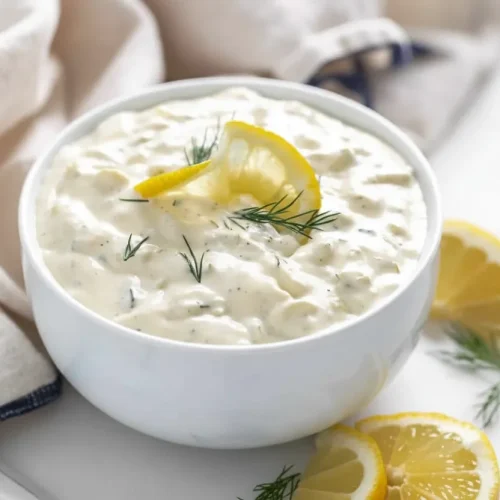
Optimized Tartar Sauce
Equipment
- Glass or ceramic bowl
- silicone spatula
Ingredients
Core Ingredients
- 1 cup mayonnaise not Miracle Whip
- 1/2 cup dill relish
- 1 tablespoon freshly chopped dill
- 1 tablespoon freshly squeezed lemon juice
- 1 teaspoon horseradish or stone ground mustard; start with 1 tsp standard prepared variety
- 1 teaspoon granulated sugar acts as a chemical buffer
- 1/4 teaspoon black pepper
Instructions
Assembly and Resting
- Combine all the ingredients in a bowl (preferably glass or ceramic to avoid metallic reactions) until well mixed.
- Use a silicone spatula to fold the ingredients together, ensuring you scrape the sides of the bowl effectively to create a homogenous flavor profile.
- Serve immediately or refrigerate for at least two hours for the flavor to peak.